
6th Sunday Easter C
Acts 15:1-2, 22-29
The account describes the Jerusalem conference, which addressed the issue of whether Gentile converts should adhere to the Mosaic Law. Some Jewish Christians were insisting that these laws were essential for salvation. In response, Paul and Barnabas, who represented the Gentile church, sought guidance from the leaders of the mother church in Jerusalem. The conference, led by James, reached a significant decision after much debate. This peaceful agreement between Jewish and Gentile Christians helped to prevent a potential rupture within the early church.
Ps 67
A hymn of praise for God’s continued kindness (v2), it echoes the priestly blessing of the people (Num 6:22 – 27). God’s visible goodness to Israel leads the nations to recognize his universal rule (vv3, 5). The entire earth, then, is seen as giving God praise (v8).
Rev 21:10-14, 22-23
This description of the church as a heavenly city, is inspired by Ezekiel’s vision of end-time Jerusalem. Seen from a high mountain, it features twelve gates for the tribes and is filled with God’s presence, symbolizing the unity of old and new Israel through tribes and apostles. The city’s brilliance, likened to precious stones, mirrors Isaiah’s vision of restored Zion. In this new form of worship, God’s presence replaces the temple (John 4:23-24). Christ promises to be with gatherings (Mt 18:20) and throughout the Church (Mt 28:20; Col 1:18). Ultimately, God’s glory shines brighter than any earthly light, reflected through Christ (2 Cor 4:4).
Jn 14:23-29
In today’s gospel, Jesus promises his disciples the Spirit as well as his farewell gift of peace.
“…Peace is the translation of the famous Hebrew word “shālōm”, (שָׁל֨וֹם) ordinarily used for greeting (Gen 43:23; Judg 6:23; Is 58:19), a blessing (Ex 4:18; Num 6:26), prosperity in a material sense (Ps 27:3, Is 54:13), and in the majority usage means tranquility or calm (Gen 26:29, 44:17; Lev 26:6; Ez 9:12; Ps 122:7; Mic 5:5).
While all these senses are kept in the term “eirēnē”, (εἰρήνη) in the NT, a significant difference is evident in the context of the redemptive-historical fulfillment of God’s plan of salvation. Thus the peace of the risen Christ in this eschatological moment is not an ordinary greeting or wish but a statement of fact, a declaration about the restoration of harmony between God and creation and within the created order itself effected by the Spirit life of the resurrection (cf Col 1:20). It is the fulfillment of Jesus’ promise at the supper (14:27). The act of breathing the Spirit evokes the image of God’s breathing the spirit of life into Adam (Gen 2:7). Here it is the new life from God that is bestowed. It finds its ultimate expression in the intimate relationship with God made possible by the saving work of God. The person of Christ is the embodiment of peace, bringing about permanent reconciliation between humankind and God…(s1S#82 Peace).
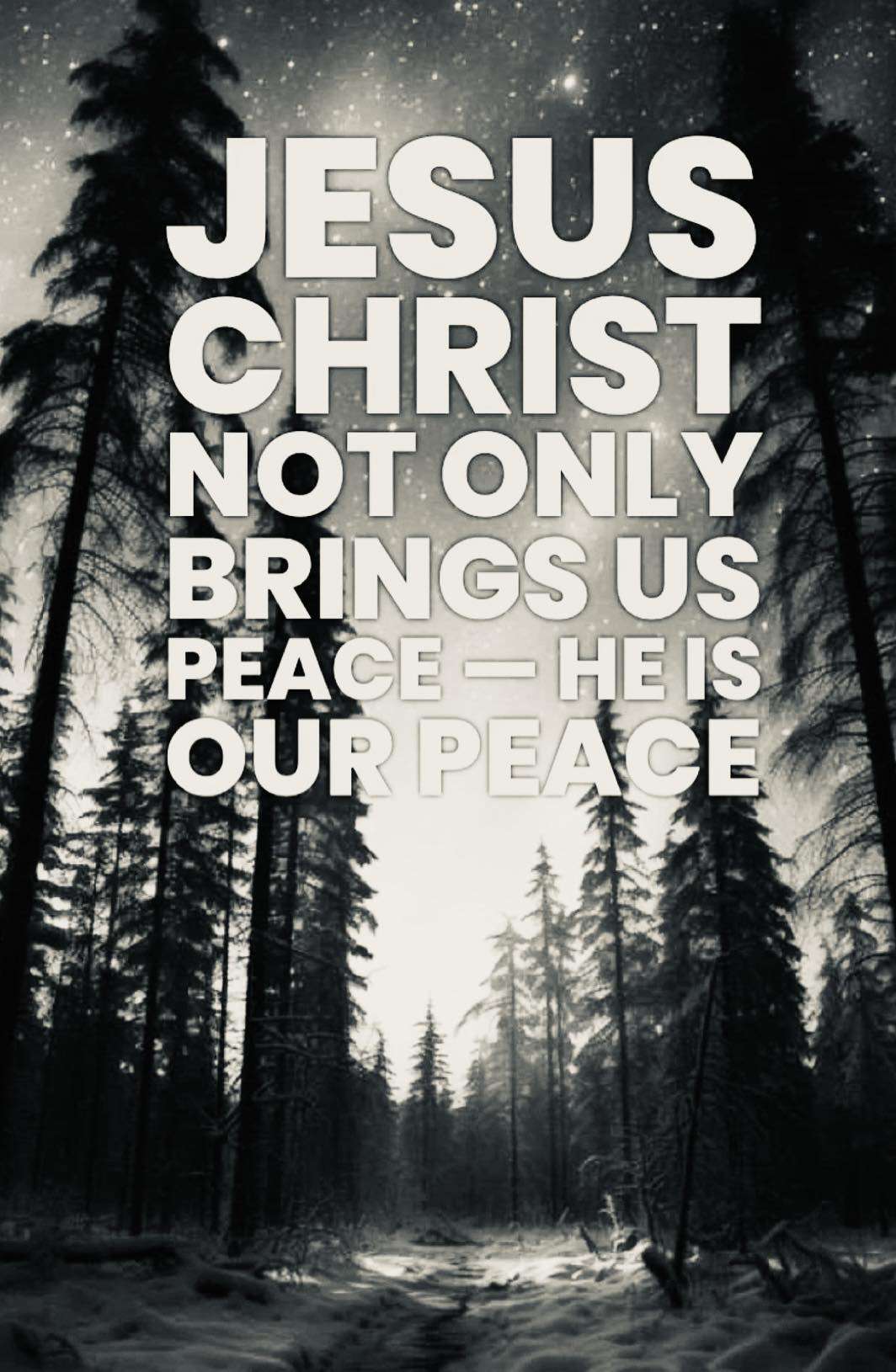
True peace is a positive force that convinces us that there is more right with the world than wrong. And the reason for that is simple. Christ alone is our peace.
And we will experience peace if we remain in Christ! Amen!