


14,327 total reads
Sir 3:2-7, 12-14
Written in the second century B.C.
Sirach emphasizes Israelite respect for parents, ranking it just after the commandments about God and before other human laws (Ex 20:12; Deut 5:16). It urges obedience to parents (vv2, 6), highlighting filial love, especially in old age (v12df). Rewards include blessings in life, such as atonement for sins (v4), offspring (v5a), answered prayers (v5b), and long life (v6a), reflecting Sirach’s view of temporal sanctions and blessings
Col 3:12-21
Paul highlights virtues like compassion, kindness, patience, and love, rooted in Christian baptism. These virtues primarily promote harmonious relationships and spiritual unity under Christ, emphasizing forgiveness, peace, and joy. He encourages teaching and actions rooted in faith, highlighting respect and submission within societal roles, especially in family relationships, reflecting biblical values.
Mt 2:13-15, 19-23
Matthew portrays Jesus’ Egyptian stay as paralleling Israel’s history, emphasizing him as the new Israel and its representative. The story concludes with Hosea 11:1, depicting Israel as God’s son called to freedom, with ‘son’ representing both individual and collective, pointing to Christ’s call from Egypt. The narrative parallels Moses’ story, including Josephus’ account of Moses’ miraculous rescue amid Pharaoh’s order to kill Hebrew boys. The latter part explains Jesus’ Nazareth origins—agreed upon by Matthew and Luke, though with different bases—echoing Moses’ return to Egypt (Ex 4:19). Archelaus’ receipt of Herod’s kingdom complicates Joseph’s return. Matthew omits that Herod Antipas ruled in Galilee, but the main purpose is to locate Jesus in Nazareth, emphasizing country’s significance in the tradition. The quote ‘Nazorean’ has no direct biblical basis and likely relates to Nazirites or the Messiah as the “bud’ from Jesse, underscoring Jesus’ Davidic lineage. This highlights Nazareth’s importance in Jesus’ story. The narrative concludes with Jesus as the new Israel reclaiming his homeland.
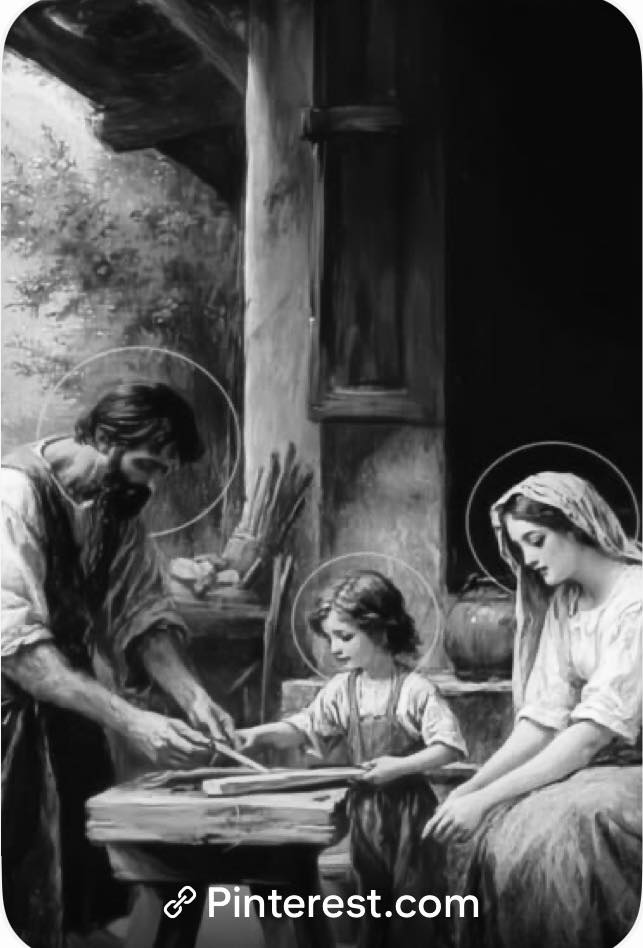
Scriptures oppose the decline of family today; solutions can’t rely solely on government. Religion must instill family values often discarded. Children thrive when loved, disciplined, motivated, and educated by parents committed to religious values. The feast of the Holy Family presents Mary, Joseph, and Jesus as models for Christian families. Jesus grew up in a close family, learning from his parents. Life is a responsibility; when well done, it brings joy. Successful parents help children develop virtues and respect. May all families be inspired by the Holy Family in Nazareth. Amen!