HUWEBES, SETYEMBRE 22, 2022

SHARE THE TRUTH

 569 total reads

Huwebes ng Ika-25 Linggo sa Karaniwang Panahon (II)

Mangangaral 1, 2-11
Salmo 89, 3-4. 5-6. 12-13. 14 at 17

Poon, amin kang tahanan
noon, ngayon at kailanman.

Lucas 9, 7-9

Thursday of the Twenty-fifth Week in Ordinary Time (Green)

UNANG PAGBASA
Mangangaral 1, 2-11

Pagbasa mula sa aklat ng Mangangaral

Walang kabuluhan, walang halaga ang lahat ng bagay. Magpakahirap ka man, gumawa man nang gumawa ay wala ring mapapala. Patuloy ang pagpapalit-palit ng mga lahi ngunit hindi nagbabago ang daigdig. Ang araw ay patuloy sa pagsikat at patuloy sa paglubog; pabalik-balik lang sa pinanggalingan. Ang hangin ay umiihip patungong timog, papuntang hilaga; habang araw na paikut-ikot. Lahat ng tubig ay umuuwi sa dagat ngunit di ito napupuno. Ang tubig ay bumabalik sa batis na pinagmulan upang muling umagos patungong karagatan. Ang lahat ng bagay ay nakababagot, hindi makakayang ipaliwanag. Walang sawa ang paningin ng tao; walang tigil ang kanyang pakinig. Ang naganap noon ay nangyayari ngayon. Paulit-ulit lamang ang mga pangyayari. Walang bagong pangyayari sa ibabaw ng daigdig. Ang sabi ng iba, “Halikayo! Ito’y bago.” Ngunit naganap na yaon noong di pa tayo tao. Di na maalaala ang mga nauna. At ang nangyayari ngayon ay malilimutan din sa hinaharap.

Ang Salita ng Diyos.

SALMONG TUGUNAN
Salmo 89, 3-4. 5-6. 12-13. 14 at 17

Poon, amin kang tahanan
noon, ngayon at kailanman.

Yaong taong nilikha mo’y bumalik sa alabok,
sa lupa ay nagbabalik kapag iyong iniutos.
Ang sanlibong mga taon, ay para bang isang araw,
sa mata mo, Panginoon, isang kisap-mata lamang;
isang saglit sa magdamag na ito ay dumaraan.

Poon, amin kang tahanan
noon, ngayon at kailanman.

Mga tao’y pumapanaw na para mong winawalis,
parang damo sa umagang tumubo sa panaginip.
Parang damong tumutubi, na may taglay na bulaklak,
kung gumabi’y nalalanta’t bulaklak ay nalalagas.

Poon, amin kang tahanan
noon, ngayon at kailanman.

Yamang itong buhay nami’y maikli lang na panahon,
itanim sa isip namin upang kami ay dumunong.
Hanggang kailan magtitiis na magdusa, Panginoon,
kaming iyong mga lingkod na naghihirap sa ngayon?

Poon, amin kang tahanan
noon, ngayon at kailanman.

Kung umaga’y ipadama yaong wagas mong pag-ibig,
at sa buong buhay nami’y may galak ang aming awit.
Panginoon naming Diyos, kami sana’y pagpalain,
magtagumpay sana kami sa anumang aming gawin!

Poon, amin kang tahanan
noon, ngayon at kailanman.

ALELUYA
Juan 14, 6

Aleluya! Aleluya!
Ikaw, O Kristo, ang Daan,
ang Katotohana’t Buhay
patungo sa Amang mahal.
Aleluya! Aleluya!

MABUTING BALITA
Lucas 9, 7-9

Ang Mabuting Balita ng Panginoon ayon kay San Lucas

Noong panahong iyon, nabalitaan ni Herodes na tetraka ng Galilea ang lahat ng ginagawa ni Hesus. Nagulo ang kanyang isip, sapagkat may nagsasabing muling binuhay si Juan Bautista. May nagsasabi namang lumitaw si Elias, at may nagsasabi pang muling nabuhay ang isa sa mga propeta noong una. Kaya’t ang sinabi ni Herodes, “Pinapugutan ko si Juan; ngunit sino ang nababalitang ito? Marami akong naririnig tungkol sa kanya.” At pinagsikapan niyang makita si Hesus.

Ang Mabuting Balita ng Panginoon.

PANALANGIN NG BAYAN
Ika-25 Linggo sa Karaniwang Panahon
Huwebes

Alam natin na napakaraming kasamaan sa mundo. Sa pamamagitan ng Kamatayan at Muling Pagkabuhay, nagapi ni Jesus ang kasamaan. Manalangin tayo sa Ama upang magwagi ang kabutihan.

Panginoon, dinggin Mo ang aming panalangin.
o kaya
Sinagan nawa kami ng Iyong liwanag, O Panginoon.

Ang Simbahang naglalakbay nawa’y magbigay ng liwanag sa mga tao para baguhin ang kanilang pamumuhay sa pamamagitan ng tapat na pagsaksi kay Kristo sa kanilang salita at gawa, manalangin tayo sa Panginoon.

Ang mga bansa nawa’y isuko ang walang saysay na pagkakaroon ng makapangyarihan at mapanirang gamit pandigmaan at sa halip mamuhay sila nang sama-sama, mapayapa at nagkakasundo, manalangin tayo sa Panginoon.

Ang mga inuusig dahil sa kanilang paniniwala nawa’y magtagumpay na makamit ang kanilang kalayaan, manalangin tayo sa Panginoon.

Ang mga maysakit at may kapansanan nawa’y tumangaap ng kalinga ng pag-ibig ng Diyos mula sa mga nag-aaruga sa kanila, manalangin tayo sa Panginoon.

Ang mga yumao nawa’y makalaya na sa mga kaguluhan ng mundong ito at magkamit ng walang hanggang kapayapaan, manalangin tayo sa Panginoon.

Ama naming Diyos, patuloy mo kaming hilumin sa lahat ng kasamaan at hayaan mo na ang iyong kabutihan ang patuloy na magliwanag sa amin sa kapangyarihan ni Jesu-Kristo na aming Panginoon. Amen.
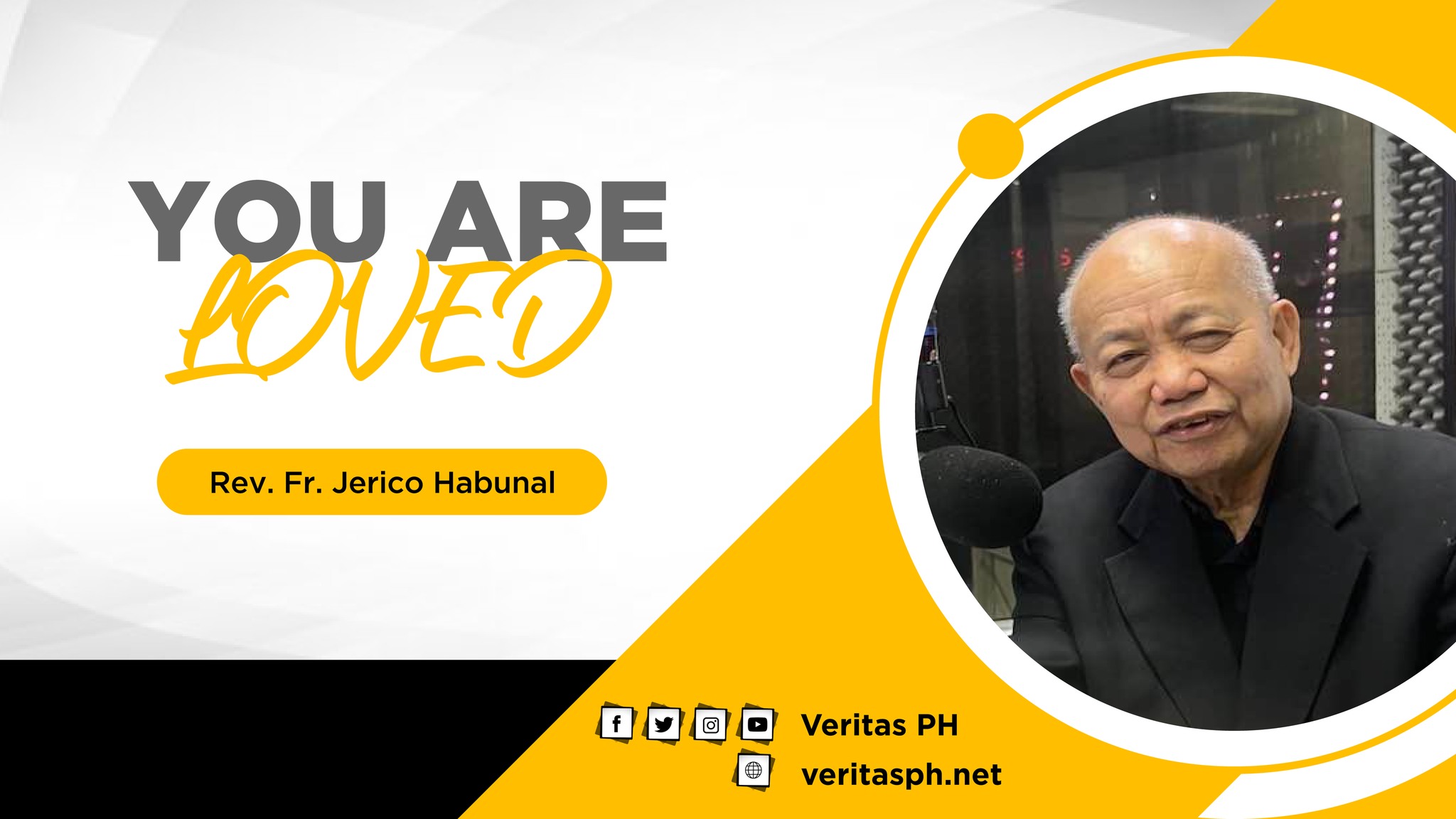

1,2,3 kanya-kanya na!

 1,471 total reads

Mga Kapanalig, kumusta kayo nitong mga nakaraang linggo na naging grabe ang pag-ulan? 

Noong Agosto 17 lamang, umabot sa 201.7 millimeters ang ulan sa Quezon City sa loob lamang ng limang oras. Halos kalahati ito ng ulang naitala noong Bagyong Ondoy! Marami rin ang lumusong sa pagbaha, na-stranded sa biyahe, at pinasok ng tubig-baha ang bahay. Hindi bababâ sa limandaan ang nasugatan, at mahigit 25 ang nasawi. Dahil din sa pinagsamang epekto ng habagat at mga nagdaang bagyo, tinatayang 3.5 bilyong piso ang halaga ng pinsala sa imprastraktura at mahigit 1.4 bilyong piso naman sa agrikultura.

Sa ganitong mga pagkakataon, kanya-kanyang diskarte ang mga Pilipino kung paano poprotektahan ang kanilang sarili, pamilya, at bahay mula sa baha. Isa na rito ang paggawa ng mga improvised flood barrier, na nag-viral sa social media matapos kumalat ang iba’t ibang paraan ng mga Pilipino sa paggawa nito. Sa Noveleta, Cavite, nag-ambagan ang ilang residente para makagawa ng isang barrier na nakatulong na mapigilan ang pagpasok ng baha sa kanilang eskinita. Sa Mabalacat, Pampanga naman, isang tindahan ang gumamit ng sandbags para harangan ang tubig-baha at maprotektahan ang kanilang puwesto.

Patunay ang mga ito ng pagiging maparaan ng mga Pilipino kapag may kalamidad. Pero ganito na lang ba palagi? Kanya-kanya na lang ba? Bakit kailangang tayo-tayo ang gumagawa ng paraan para protektahan ang ating mga sarili gayong dapat ang pamahalaan ang may pangunahing pananagutan dito?

Kahit gaano nakakabilib ang pagkamaparaan ng mga Pinoy, hindi dapat nauuwi sa kanya-kanyang diskarte ang paghahanda at pagtugon sa pagbaha. Hindi trabaho ng isang ordinaryong mamamayan o komunidad na magdisenyo ng sariling proteksyon laban sa baha para lamang mapanatiling ligtas ang kanilang tahanan. Hindi rin dapat sila ang napipilitang gumastos mula sa sariling bulsa o gumamit ng mga improvised na kagamitan para lamang harangan ang tubig-baha. Kahit may mga indibidwal o komunidad na nakagawa ng paraan para maprotektahan ang kanilang mga bahay, paano naman ang mga kalsada, paaralan, ospital, palengke, at iba pang pampublikong lugar? Hindi lahat ay may kakayahang gumawa ng sariling flood barrier at gumastos para dito.

Hindi naman dapat problema ng mga mamamayan ang pagbaha kung maayos ang paghahanda, pagpaplano, at pamamalakad ng mga sistema. Walang ibang may kakayahang ayusin ito kundi ang pamahalaan. Kabilang dito ang paglilinis at pagpapanatili ng mga drainage systems pati na ng mga daluyan ng tubig, tamang pamamahala sa mga ilog at waterways, at pagtiyak na hindi nahaharangan ang natural na daloy ng tubig. Kasabay nito, dapat may malinaw na disaster preparedness, maagang babala, maayos na evacuation plans, at sapat na kagamitan at mga kawani para mabilis na makatugon kapag may panganib. Kung meron ang mga ito, hindi sana naipapasa ang responsabilidad sa mga mamamayan at wala sanang flood barriers na kailangang ilagay.

Labis na kinokondena sa Jeremias 23:1-4 ang mga pinunong hindi inaalagaan ang mga taong ipinagkatiwala sa kanilang pamamahala. Sa halip na gabayan ang kanilang nasasakupan, pinababayaan nilang magkanya-kanyang diskarte ang mga tao at inilalagay nila sila sa panganib. Ganito rin ang binibigyang-diin sa Fratelli Tutti. Hindi sapat na sabihing kaya naman ng bawat isa na dumiskarte para sa sarili. Dapat may mga institusyong aktibo at tunay na kumikilos pa rin para sa kapakanan ng mga tao at ng kabutihang panlahat.

Mga Kapanalig, ang proteksyon laban sa baha ay hindi dapat maging pribilehiyo ng mga may pera, kagamitan, o kakayahang gumawa ng sariling paraan. Hindi dapat kanya-kanya ang kaligtasan. Ito ay pananagutan ng gobyerno sa mga mamamayan. Pananagutan nilang tiyaking may maayos na paghahanda at may mga serbisyong makikinabang ang buong komunidad, lalo ang mga higit na nangangailangan.

Sumainyo ang katotohanan.

THE “SON OF MAN”

 2,609 total reads

Homily for the 21st Sunday in Ordinary Time, 23 August 2026

Matthew 16:13–20

We need to do a little Bible study for a start in order to understand our Gospel today. We need it to get to know where Jesus is coming from when he asks his disciples the question: “Who do people say the SON OF MAN is?”

The title “Son of Man” is important to Jesus. He often uses it to refer—not only to himself, but to the whole movement of his disciples. It is a title loaded with meaning. So we need to do a little Bible study and go back to the books of the Hebrew Bible that use the title “SON OF MAN.” The most important of these, aside from the Psalms, are the prophetic book of Ezekiel and the apocalyptic book of Daniel.

You might ask, do they use this title in the same way? No. In the prophet Ezekiel, whenever God calls the prophet SON OF MAN, it is a reminder that he must remain humble. Even if the word of God has been entrusted to him, that should not be a reason for it to go to his head. For Ezekiel, “Son of Man” means a child of Adam and Eve—fallen, weak, and sinful.

But in the Book of Daniel—my favorite book in the Old Testament—it is different. It is in Daniel that the meaning of the title “Son of Man” begins to change. We need to go back to chapter seven of his book. There, the “Son of Man” is a character in a vision.

According to Daniel, in his dream he first sees four ferocious beasts appearing one after another. Later, the angel explains that these four beasts represent four powerful empires of the world. For Daniel, they symbolize a humanity that no longer behaves humanly but acts like a beast. It desires nothing but power, even if it means trampling on human dignity. Its only principle is the survival of the fittest. No mercy, no restraint, no respect.

But in the prophet’s vision, there is a fifth character who appears after the four beasts. And this is the one he calls the “Son of Man.” This time, the representation is different. He is no longer associated with human frailty, cruelty, or sinfulness. Why? Because Daniel contrasts him with the beastly behavior of the monsters. He comes riding upon the clouds. He is lifted up and brought before another figure, an “Ancient One,” seated upon a throne in judgment. He represents God. And he bestows upon the Son of Man all dominion, power, and glory.

In the angel’s explanation, this Son of Man represents the wise ones of Israel, models of wisdom, holiness, and courage. People who are truly human. Examples of people of genuine human dignity, true images of God. This account in Daniel chapter seven is almost like an oracle about the fulfillment of God’s original plan for humanity: that the human being should truly become God’s image and likeness. A human being who resembles God.

So there is a context to Jesus’ question: “Who do people say the SON OF MAN is?” In short, who is this figure whom Daniel regards as the model of true human dignity, the one who will inherit the Kingdom of God? And the first answers of the disciples are people remembered as models of courage in the history of Israel. First they mention John the Baptist. Then Elijah, Jeremiah, or one of the prophets.

But suddenly Jesus changes the question: “But who do you say that I am?” And Simon Peter is the one who dares to answer. He says, “You are the Christ, the Son of the living God.” This is his way of saying—“You are not merely a model of true humanity. You are the Anointed One. You are not only the ‘Son of Man’; you are the ‘Son of God.’”

And in his response to Peter, Jesus takes us back to Daniel’s vision. What Daniel saw in his dream was explained or revealed to him not by a human being, but by a heavenly messenger. And so Jesus says to Peter, “Blessed are you, for flesh and blood has not revealed this to you, but my Father in heaven.”

In St. Mark’s version of this same scene, immediately after Peter says, “You are the Christ,” Jesus follows it with a grim prophecy about the suffering and death that the Son of Man must undergo before rising again (Mk 8:31).

There, the Son of Man refers not only to himself, but to the whole movement or community of his disciples. We, who represent Daniel’s “Sons of Man” are destined to first pass through suffering and death before the resurrection.

In other words, the mission to which Jesus invites us is to bring God’s purpose to fulfillment—that the children of humanity might become children of God; that human beings might overcome the impulses of frailty, sin, and beastliness, so that the image of God may truly shine upon the human face. To be able to react spontaneously when our humanity is degraded by violence, cruelty, and disrespect. To say, “No, that’s not what it means to be human!”

This will be the mission of the Church that Jesus establishes. And so he says to Simon, “You are Peter, and upon this rock I will build my Church.” Meaning, no longer something weak, but a solid foundation, one that even the powers of death will not be able to destroy.

Have you noticed how Jesus keeps changing the images or symbols he uses in his response to Peter? First: the rock, symbol of a firm foundation. Second: the key, symbol of stewardship of the Kingdom. Third: one who binds and one who loosens. The rock and the key are clear enough. But what is this business about binding and loosening?

Remember, Simon was a fisherman. And wasn’t it when Jesus first encountered him by the lakeshore that he found him tending or mending his nets? The net, after all, is the fisherman’s principal instrument, aside from his boat, for catching fish. And didn’t the Lord say to him when he called him, “You will be a fisher of men”? From then on, it would be people whom his net would gather for the Kingdom of God.

For fishermen, there are two important things that need to be done when repairing the nets after fishing. As nets grow old, some of their strands break, while other parts become tangled. And so there are two tasks:

1. Binding together the parts of the net that have been torn apart.

2. Loosening the parts that have become tangled.

After all, how can a net make a good catch if it is full of holes because its strands have broken apart, or if parts of it have become all tangled up?

Isn’t life like that too, especially our relationships? Sometimes we begin with beautiful relationships, connections, even projects, and then suddenly things fall apart. Connections are broken. People separate. We go our own ways. At other times, something that started out very simple becomes terribly complicated. Everything gets tangled up.

And so it is as though the Lord were saying, “Yes, you will still go through all sorts of failures. But do not surrender your humanity to failure and sin. If you wish to inherit the Kingdom, then live out your calling. Stand by your mission.”

And that mission is to become menders of nets. To repair what has been broken in our lives. To bind together relationships that have been torn apart. To loosen the knots of relationships that have become tangled.

And in this way, we fulfill the mission God has entrusted to us: to become fishers of people for his Kingdom—so that the image of the SON OF MAN may shine forth, and on our human faces, people may catch a glimpse of the SON OF GOD.

ALWAYS PREVAIL OVER EVIL

 3,106 total reads

Gospel Reading for August 23, 2026 – Matthew 16: 13-20

ALWAYS PREVAIL OVER EVIL

Jesus went into the region of Caesarea Philippi and he asked his disciples, “Who do people say that the Son of Man is?” They replied, “Some say John the Baptist, others Elijah, still others Jeremiah or one of the prophets.” He said to them, “But who do you say that I am?” Simon Peter said in reply, “You are the Christ, the Son of the living God.” Jesus said to him in reply, “Blessed are you, Simon son of Jonah. For flesh and blood has not revealed this to you, but my heavenly Father. And so I say to you, you are Peter, and upon this rock I will build my church, and the gates of the netherworld shall not prevail against it. I will give you the keys to the kingdom of heaven. Whatever you bind on earth shall be bound in heaven; and whatever you loose on earth shall be loosed in heaven.” Then he strictly ordered his disciples to tell no one that he was the Christ.

————

The Catholic Church has existed as a distinct institution for about 1,993 years.

Its journey has not been smooth sailing. The early Christians endured severe persecution, torture, and death under the Roman emperors. The Church was later divided into two major branches—the Western (Catholic) Church and the Eastern (Orthodox) Church—because of theological and political disagreements. Then came the Protestant Reformation, which arose in protest against corruption and certain Church teachings. There was also the period when the Papacy was moved from Rome to France, creating great confusion as multiple men claimed to be the true Pope at the same time. The Crusades, fought to reclaim the Holy Land from Muslim control, brought immense violence and suffering. Later, the Inquisition established Church courts to identify and punish those who taught ideas contrary to Catholic beliefs, often through harsh methods.

Jesus could have simply left the apostles to do what they thought was right on their own. He did not have to establish the Church. Yet he chose to do so, ensuring that his work of salvation would continue and flourish until the end of time by entrusting Peter (who himself was imperfect), the first Pope, with the keys to the Kingdom of Heaven.

Despite everything that has happened throughout history, and despite the challenges the Church continues to face today, Jesus assures us in today’s Gospel that the Church will remain strong and will ALWAYS PREVAIL OVER EVIL.

Lord Jesus, we claim your eternal victory over sin. We believe that the gates of the netherworld shall never prevail against your Church. Help us always to live in the light of your Holy Spirit for as long as we live. Amen.

Veritas Editorial

Picture of Rev. Fr. Anton CT Pascual

Rev. Fr. Anton CT Pascual

1,2,3 kanya-kanya na!

 1,472 total reads

 1,472 total reads Mga Kapanalig, kumusta kayo nitong mga nakaraang linggo na naging grabe ang pag-ulan?  Noong Agosto 17 lamang, umabot sa 201.7 millimeters ang ulan

Read More »

NEW NORMAL

 83,415 total reads

 83,415 total reads Kapanalig, sa nakalipas na dalawang lingo sa buwan ng Agosto 206., ating nasaksihan, ating naranasan kung paano naging “waterworld” ang maraming bahagi ng

Read More »

Ilawan ang katotohanan

 177,640 total reads

 177,640 total reads Mga Kapanalig, isinagawa na noong Biyernes ang kauna-unahang “truth-telling session” ng Truth Commission tungkol sa madugong war on drugs ng administrasyon ni dating

Read More »

Dagat ng basura

 238,129 total reads

 238,129 total reads Mga Kapanalig, hindi lang korapsyon sa mga flood control projects ang umaalingasaw tuwing tag-ulan. Nangangamoy din ang baho ng bigóng pagtugon natin sa

Read More »

Pahirapang dagdag-sahod

 251,973 total reads

 251,973 total reads Mga Kapanalig, “people over profit” at “labor over capital” ang ilan sa mga prinsipyong itinataguyod ng mga panlipunang turo ng ating Simbahan kapag

Read More »

Watch Live

RELATED TOPICS

Miyerkules, Agosto 26, 2026

 530 total reads

 530 total reads Miyerkules ng Ika-21 Linggo sa Karaniwang Panahon (II) 2 Tesalonica 3, 6-10. 16-18 Salmo 127, 1-2. 4-5 Mapalad ang sumusunod na taong may

Read More »

Martes, Agosto 25, 2026

 2,040 total reads

 2,040 total reads Martes ng Ika-21 Linggo sa Karaniwang Panahon (II) o kaya Paggunita kay San Luis IX o kaya Paggunita kay San Jose de Calasanz, pari 2

Read More »

Lunes, Agosto 24, 2026

 3,547 total reads

 3,547 total reads Kapistahan ni Apostol San Bartolome Pahayag 21, 9b-14 Salmo 144, 10-11. 12-13ab. 17-18 Talastas ng mga tao dakilang paghahari mo. Juan 1, 45-51

Read More »

Linggo, Agosto 23, 2026

 4,921 total reads

 4,921 total reads Ika-21 Linggo sa Karaniwang Panahon (A) Isaias 22, 19-23 Salmo 137, 1-2a. 2bk-3. 6 at 8bk Pag-ibig mo’y di kukupas, gawain mo’y magaganap.

Read More »

Sabado, Agosto 22, 2026

 5,832 total reads

 5,832 total reads Paggunita sa Pagka-reyna ng Mahal na Birheng Maria Isaias 9, 1-6 Salmo 112, 1-2. 3-4. 5-6. 7-8 Ngalan ng D’yos ay idangal ngayon

Read More »

SUPPORT OUR MISSION

BECOME A KAPANALIG MEMBER AND EUCHARISTIC ADVOCATE!

CATHOLINK

THE PHILIPPINES CATHOLIC CHURCH ONLINE DIRECTORIES

Scroll to Top