


14,397 total reads
22nd Sunday C
Sir 3:17-18, 20, 28-29
The highlights the importance of humility over generosity in early second century B.C. Jerusalem. Ben Sira teaches that humility is crucial as one advances in life, and a humble person finds contentment, while pride can lead to disappointment (Ps 131:1). Wise individuals learn from others, and practical charity, like almsgiving, can atone for sins, akin to water extinguishing fire.
Heb 12:18-19, 22-24
The letter contrasts the old and new covenants. The Sinai covenant, mediated by Moses, involved a fearsome theophany that caused people to dread direct interaction with God. In contrast, the new covenant, sealed by Christ’s blood, offers a heavenly liturgy at Mount Zion, where baptized Christians participate. Unlike the first covenant’s earthly focus, the new covenant is eternal, marked by peace, joy, and the presence of angels and the faithful, fostering a lasting connection with God.
Lk 14:1, 7-14
St. Luke points to one of his most emphatic points in today’s gospel (14:1, 7-14). Jesus, visiting the house of a leader of the Pharisees to share a festive meal with him on a Sabbath where he cures a man with dropsy (a sa found only in this gospel, vv1-4), uses the occasion to offer sage advice about banquet etiquette and protocol with a parable, first regarding the attitude of guests (vv7-11),then that of the host (vv 12-14).
Regarding guests, Jesus points to the attitude of being humble. As do the Hebrew equivalents of this term, the Greek verb ταπεινὸω (tapeinoō) and its cognates refer consistently to the action of humbling oneself or being humbled. By castigating the guests who he observed were maneuvering and seeking out for themselves the best places and positions of prestige, he made it clear that real honor will come not from one’s self-seeking choices but what is bestowed on one by another, not from one does on one’s own behalf but on the estimate others have of one (v10). The added wisdom saying using a theological passive (v 11, “will be humbled…will be exalted) introduces another dimension to it- it is God’s judgement as the source of the honor. Hence the attitude of the Christian disciples should be humility, not status-seeking.
In the second part Jesus moves from the guests to the host, from self-seeking ambition to selfish recompense. He suggests that the kind of people one should invite are not the four affluent types who can return the favor (v12), but the four unfortunate types who cannot (v13). Real love and concern never wait for recompense. The reciprocity expected must give way to a return in another, unexpected form- from the graciousness of God himself, which goes beyond all our expectations (v14). The gospel emphasizes humility and love for the marginalized in Jesus’ teachings. It highlights that the poor and outcasts, central to Jesus’ mission, should be valued. True honor comes from God, as illustrated by banquet etiquette—one should not seek the best seats (vv8-11). Jesus challenges societal norms by healing a man with dropsy on the Sabbath (vv2-6). His message is clear: love is unconditional, especially towards those in need (v13), and the ultimate reward for kindness is eternal. Humility and love for the needy reflect our equality and worth before God.
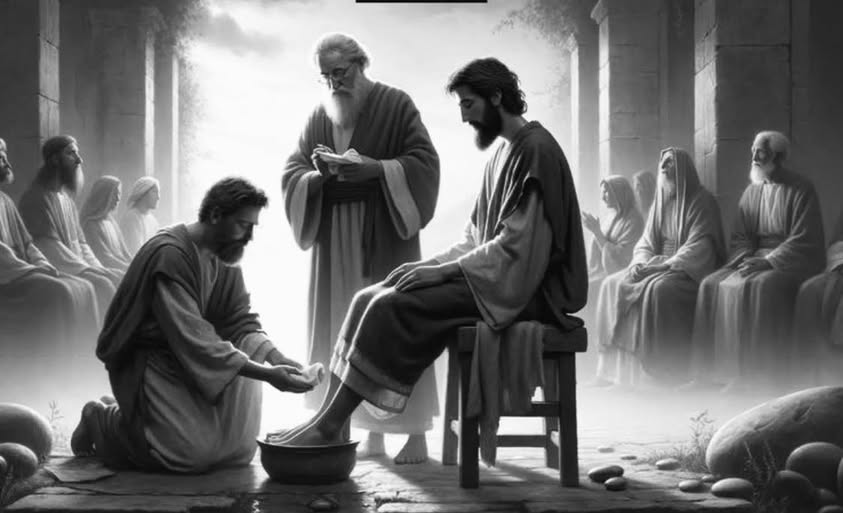
Today’s liturgy highlights the importance of humility, a virtue often overlooked in our competitive society. Throughout the Bible, from prophets to Jesus and the apostles, humility is consistently emphasized and commended (Is 57:15; Mt 18:4; 1 Pt 5:6). The ultimate example is Jesus, who humbled Himself to the Father’s will (Phil 2:8). May we strive to do the same. Amen.