


12,526 total reads
4th Sunday Easter (A)
Acts 2:14, 36-41
The reading depicts Peter, joined by the eleven, appealing to a Jewish audience, equating himself and the others with Israel’s twelve tribes. He emphasizes continuity with Israel’s past as he addresses his fellow Jews and the broader Israel. The response to his message (2:14-35) is to accept Jesus as Lord (Kyrios) and Messiah (Christos). Titles that reflect Jesus’ divine status, especially after His resurrection, are central. Jesus, descended from David (2 Sam 7:12), is to lead Israel in the final age. The crowd responds positively, contrasting with Jewish leaders. Peter outlines the steps of conversion: repentance, baptism, and Holy Spirit. Repentance involves a moral turnabout from sin to engagement with God, represented outwardly by baptism in Jesus’ name—an early formula predating the Trinitarian. This faith and baptism lead to forgiveness, with the Holy Spirit empowering believers, marking the final era. Though distinct, these conversion aspects are interconnected and occasionally separated to link apostolic authority with new believers. The gift of faith is for both Jews and Gentiles, based on God’s free election. The Jews’ immediate, sizable response signifies the mission’s success.
1 Pet 2:20-25
The letter presents Christ as the example of long-suffering for slaves, drawing on an early faith confession. It emphasizes endurance under suffering, following Christ’s example (vv20ff), who is depicted as the suffering servant from Isaiah 53—sinless, humble, and submissive, placing trust in God. His vicarious atonement brings spiritual freedom, and his wounds bring healing. The servant as a lamb is highlighted in the Isaian hymn (Is 53:7), but Christ is also portrayed as the shepherd and overseer of the flock, embodying pastoral care. The shepherd image, representing church authority, echoes Yahweh and Jesus as providers and protectors, with Jesus as the shepherd who sacrifices for others and guides them.
Jn 10:1-10
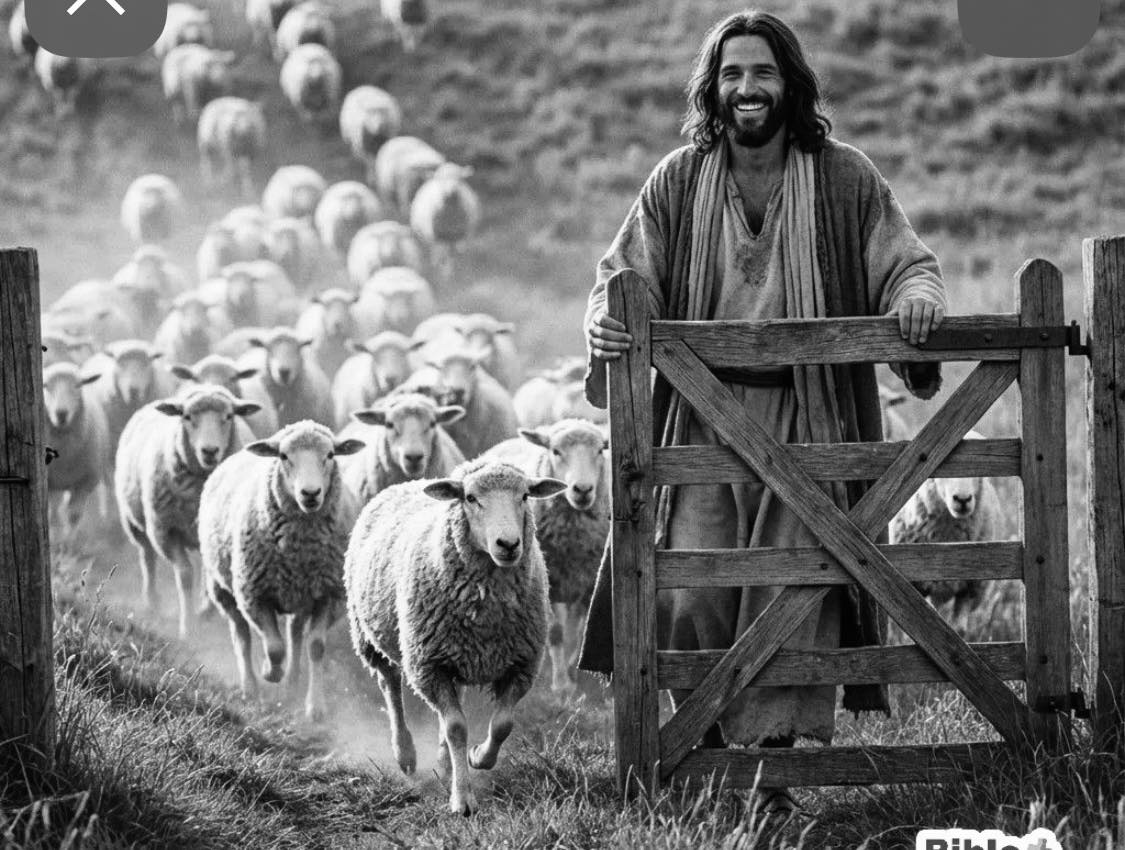
The gospel uses two images: Jesus as the gate for sheep representing proper access and security, and opposition from Pharisees who oppose Jesus and mislead others, similar to Ezekiel’s evil shepherds, (Ez 34:4-8, only to be replaced by Yahweh himself, Ez 34:11f). Faithful shepherds following Christ will gain positive responses, while false teachers within the community will fail. The true voice is recognized through adherence to Jesus’ teachings and the Holy Spirit, contrasting false teachers seeking destruction with Jesus offering abundant life. Unbelief in Jesus as the way to God explains why the audience fails to understand his figurative language, remaining blind despite thinking they see well.
Jesus describes himself as the way to God and the sheepgate. On Good Shepherd Sunday, he emphasizes this role. Jesus specifically refers to himself as the gate of the sheepfold. It could be interpreted in two senses. First, it refers to the legitimate access to the sheep for those responsible for pastoral leadership in the community, (cf vv1-3, and especially in the context of Jesus’ polemics with the Pharisees in the previous chapter, 9:34f, about the man born blind). Any shepherd who approaches the sheep other than through him (the gate) is a thief and bandit. Secondly, it deals with the sense of security that proper access affords both shepherds and sheep. Jesus is the gate through which one must pass to gain life, to gain salvation, being the divinely constituted and sole avenue to the Father (14:6 “…the way, the truth, the life…”). To find pasture is to find life. Sheep who seek pasture through Jesus find life, life in abundance (v10). The thief can offer only theft, destruction, and death.
May we all see the singular role of Christ, “both Lord and Messiah” (cf 1st reading Acts 2:36f), through whom (the gate) alone is our salvation and fullness of life (John 10:10). Amen!