


14,697 total reads
17th Sunday A
1 Kgs 3:5, 7-12.
Sanctuaries were sacred places of divine communication where Yahweh was localized—Bethel for Jacob, Shiloh for Samuel, and Gibeon for Solomon, an important cultic site before the temple. When Yahweh offered to grant a request (v5), Solomon wisely responded, trusting God’s promise to David (v7; 2 Sam 7:13ff). His request stemmed from inexperience (v7) and a growing population (v8). The request for a “listening heart” (heb. leb shomea) aimed for a discerning mind to distinguish just causes and make wise decisions. God approved Solomon’s priorities, not seeking personal gain or revenge against enemies (vv10f), and granted his request. Solomon’s gift was demonstrated in the story of the two harlots (vv16-27).
Rom 8:28-30
This celebrated “predestination” text has been variously used and misused. It should be read in its entirety as the divine plan for “those who love God” (v28), i.e. those who have responded to the call of Christian discipleship. The passage highlights God’s providential care for believers, emphasizing divine election and the plan leading to resurrection glory. The passage shows God’s free election, guided toward a life in Christ, calling believers to mirror Christ’s likeness through transformation. Christ is the firstborn of many, destined for glory, as God’s love plan unfolds through foreknowledge, election, calling, justification, and glorification.
Matthew 13:44-52
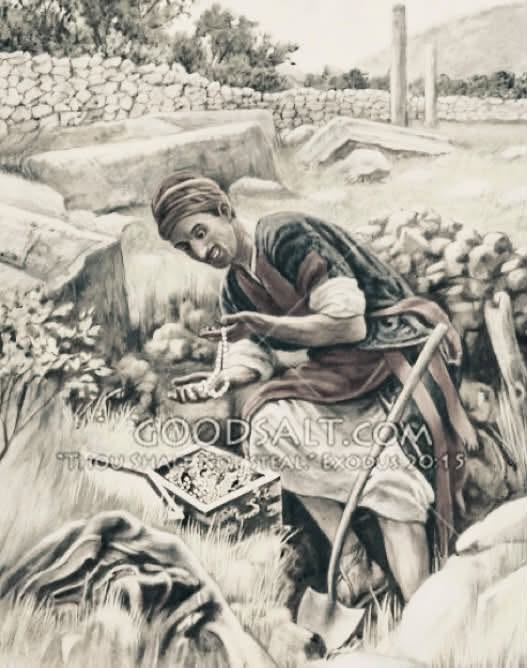
The chapter on parables concludes with three short parables. The parables of the hidden treasure and the pearl highlight the immense value of the reign of God, (vv44-46) encouraging joyful sacrifice for its attainment. The parable of the fishnet emphasizes the coexistence of good and evil within the kingdom until the final judgment at the parousia (vv47ff) along with a typical role of the church teacher. Wisdom, a prized goal, is compared to a hidden treasure or pearl, emphasizing the high value of God’s reign and discipleship. The fishnet parable echoes the wheat and weeds, stressing the final judgment and severity of punishment, focusing on the church’s concern for backsliders. Matthew ends with an appreciation for the old and new, showing respect for the Jewish law while urging the Christian community to go beyond it, illustrating the connection between the parables and the new teachings.
Christian life is not a question of denial and hardship in search of a good; rather, it is the good in hand, of an inestimable worth that prompts whatever sacrifice is needed. Let us ask therefore for the gift of wisdom to value God’s reign and the following of Christ as the hidden treasure, the pearl of great prize, the greatest good, besides which all other things fade in comparison. Amen!