


2,584 total reads
27th Sunday A
Is 5:1-7
The reading is a poetic song using metaphor to depict covenant infidelity, with the vineyard symbolizing Israel and Yahweh. The prophet narrates the careful construction of the vineyard, expecting a good harvest, but results in bitter disappointment. Judah is called to judge itself, with the vineyard’s dismantling representing Israel’s loss of protection and proper cultivation. The parable ends with judgment and violence, highlighting God’s desire for fidelity and justice, especially for the poor, but finding only selfishness and treachery, leading to destruction and exile.
Phil 4:6-9
In the final part of this letter, Paul urges the community to set aside worries and turn to prayer (v6). God’s peace, which surpasses understanding (v7), results from harmonious relations with God and others, found when one commits to Christ (Col 3:15). He also recommends Stoic virtues (v8) that celebrate human values connected to the God of peace. Life’s goodness includes natural beauty, human achievements, and spiritual uplift.
Mt 21:33-43
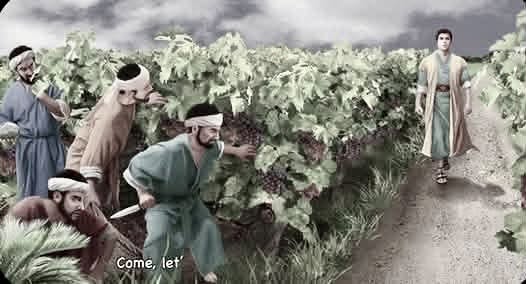
The gospel describes the parable of the vineyard from Isaiah 5, representing Israel as the vineyard and Yahweh as its owner. The parable evolved in early church history but reflects Jesus’ ministry of rejection and replacement. The chief priests and the Pharisees are the tenants whose responsibility is to produce the fruit the owner’s servants are sent to collect. The two sets of servants are the prophets: they are rejected, abused, even killed, (vv34-36 cf Jer 20:2; 26:21-23; and were often referred to by Jesus, 5:12; 22:6; 23:30-37). The son, the final emissary, is Jesus himself, with an allusion to his death outside of Jerusalem (vv38-39; Jn 19:17; Heb 13:12f).
The Jewish leaders pass sentence on themselves. Psalm 118 was used in the early church as a prophecy of Jesus’ rejection and victory.
The term “karpos” ( καρπὸς ) is constantly used in the Bible. But aside from its literal meaning of fruit, grain, or harvest; or in the sense of “offspring” (Lk 1.42) or “descendant” (Acts 2.30), the kind of fruit expected by the owner of the vineyard refers metaphorially to the duty Israel owes to God (cf. Isa 5:4), to a godly lifestyle which is consistent with a rightly-ordered covenant relationship with God. The Matthean ideal of ” bearing fruit” connotes the sense of “moral characteristics”: repentance (3:8,10); good deeds (7:16-20; 12:33); and fruitfulness (13:8; 21:19). In this regard the religious leaders of his time failed to teach such, nurture spiritual growth and fruitfulness among the people, and inspire covenant fidelity, for they themselves live an unrepentant and duplicity of life. Thus responsibility over the vineyard will be transferred to the faithful ones as promised in Isa 55:3-5. (vv43, 45).
Isaiah’s song and Matthew’s parable of the vineyard conclude in much the same way—on a note of disillusionment. Whether the present-day ‘tenants of the vineyard of the Lord’ produce fruit or not, we nevertheless remain God’s vineyard, which He continually cultivates. Fidelity to God’s will produces an abundant harvest. Are we producing fruits of “whatever is true, honorable, just, pure, lovely, gracious…excellence, worthy of praise” (cf. Phil. 4:6-9)? May it be so. Amen.