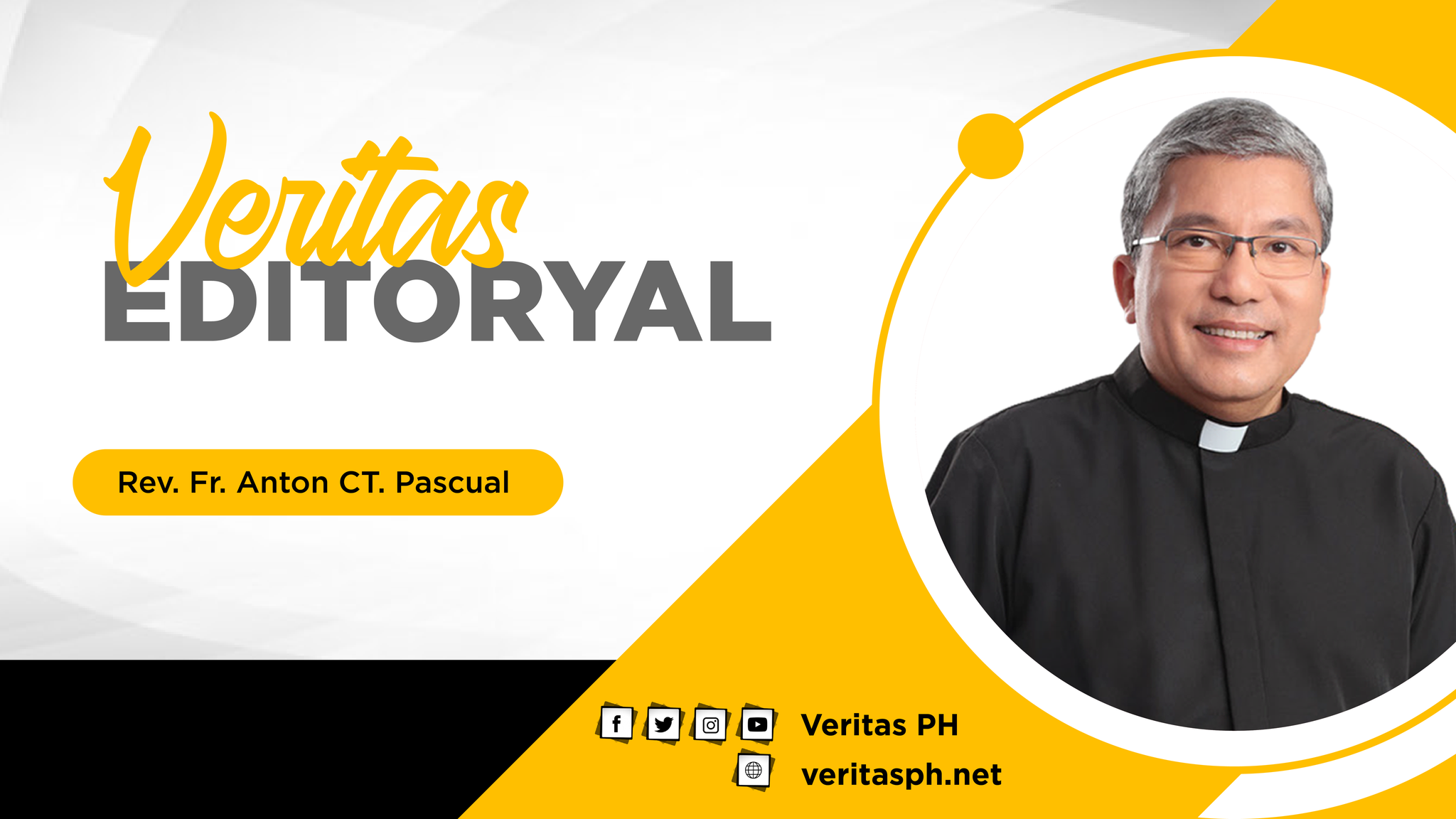
Rev. Fr. Anton CT Pascual
Thursday, October 22, 2026 12:46 pm
32,349 total reads
Kapanalig, taon-taon kapag isinumite ng Office of the President sa pamamagitan ng Department of Budget and Management sa Kongreso ang panukalang National Expenditure Program o national budget, nagbubunyi ang mga mambabatas mula sa Mababang Kapulungan ng Kongreso, at Mataas na Kapulungan o Senado. Bakit, dahil sa pork barrel funds na naunang idineklarang unconstitutional ng Korte Suprema noong November 19, 2023 matapos mabunyag ang multi-bilyonng pisong Priority Development Assistance Fund na kinasasangkutan ng mga Senador at Kongresista.
Ang mga sangkot noon na mambabatas ay nakalaya at pinawalang sala. Matapos ang PDAF scam, tuloy ang ligaya ng mga mambabatas, pinapalitan lamang ito ng ibang pangalan kada taon kapag tinatalakay ang national budget sa Kamara at Senado bago lagdaang batas ng pangulo ng Pilipinas ang General Appropriations Act.
Noong nakaraang taon, nabunyag ang mahigit sa 500-bilyong pisong flood control projects scam na nakalagay bilang unprogrammed appropriations na pinalusot ng Kongreso. 5-Senador, maraming kongresista, kanilang mga kakutsaba sa DPWH, at mga kontraktor ang dawit sa katiwalian.
Bakit taon-taon, pinagpipiyestahan ng mga mambabatas, opisyal ng mga ahensiya ng pamahalaan ang pondo ng bayan, ang pera ng taumbayan? Paano, walang napaparusahan, walang system of accountability sa gobyerno. Nagpapatuloy ang katakawan ng mga taong gobyerno at wala ni isa man sa kanila ang maipakukulong, kawawa ang bansa. Lalong maghihirap ang karamihann sa mga Pilipino. Wala nang aasahan sapagkat ang perang para sana sa pagpapaunlad ng bayan ay dinambong na.
Nakakalungkot, ipinahayag ng Korte Suprema na labag sa Konstitusyon ang dagdag na ₱449.5 bilyon sa unprogrammed appropriations sa 2024 national budget, gayundin ang ₱17.99 bilyong dagdag sa Special Road Fund ng Department of Public Works and Highways (DPWH) sa 2025 budget.
Ipinawalang-bisa rin ng Kataas-taasang Hukuman ang ilang probisyon tungkol sa unprogrammed appropriations sa 2026 national budget dahil sa hindi pagsunod ng mga mambabatas sa rekisito ng Konstitusyon at pananggalang sa wastong pamamahala sa pondo ng bayan.
Ngunit huli na Kapanalig, wala ding mapaparusahan sa mga mambabatas na itinago ang pagkakakitaan sa pamamagitan ng unprogrammed appropriations. Sino-sino ang hahabulin, sino-sino ang dapat managot sa katakawan sap era ng taumbayan?
Pagkatapos ng deklarasyon ng Korte Suprema? Ano ang kasunod? Balik na naman sa dating gawi ang ating mga mambabatas, magagaling sa pagnanakaw!
Kapanalig, mahalagang pagnilayan ang sinasabi ng Corinthians 5:10 “For we must all appear before the judgment seat of Christ, so that each of us may receive what is due for us, for the things done while in the body, whether good or bad.”
Ipinapayo din ng Luke 19:5 “Come down from your arrogance and greed. Choose conversion, make restitution, and repair the damage you have caused. There can be no true peace without justice, and no justice without repentance.
Ang problema, kung wala nang konsensiya ang mga opisyal ng bayan., dumidilim ang kinabukasan ng taumbayan at ating bayan.
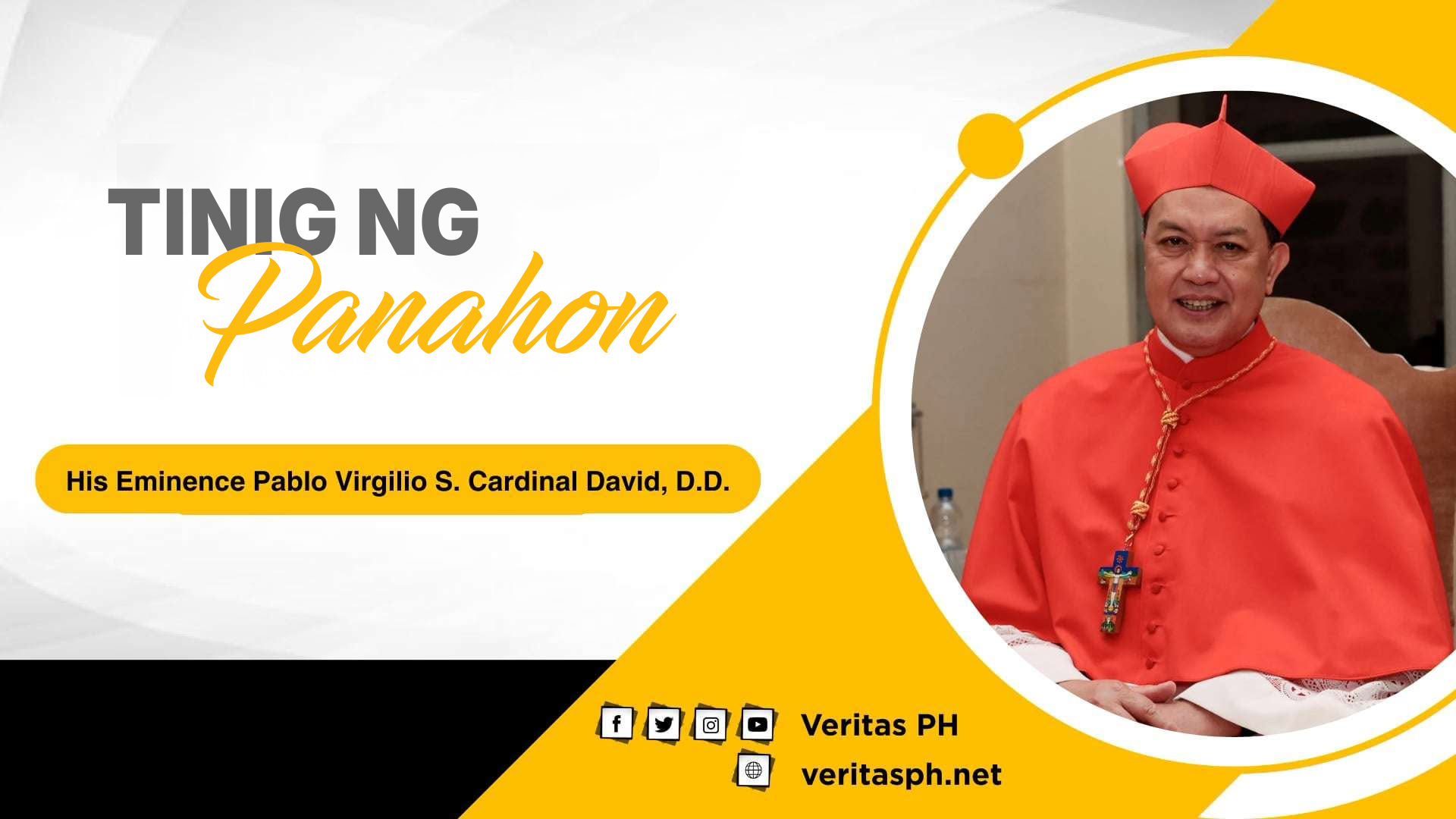
H.E. Pablo Virgilio Cardinal David, D.D.
Thursday, October 22, 2026 10:57 am
3,846 total reads
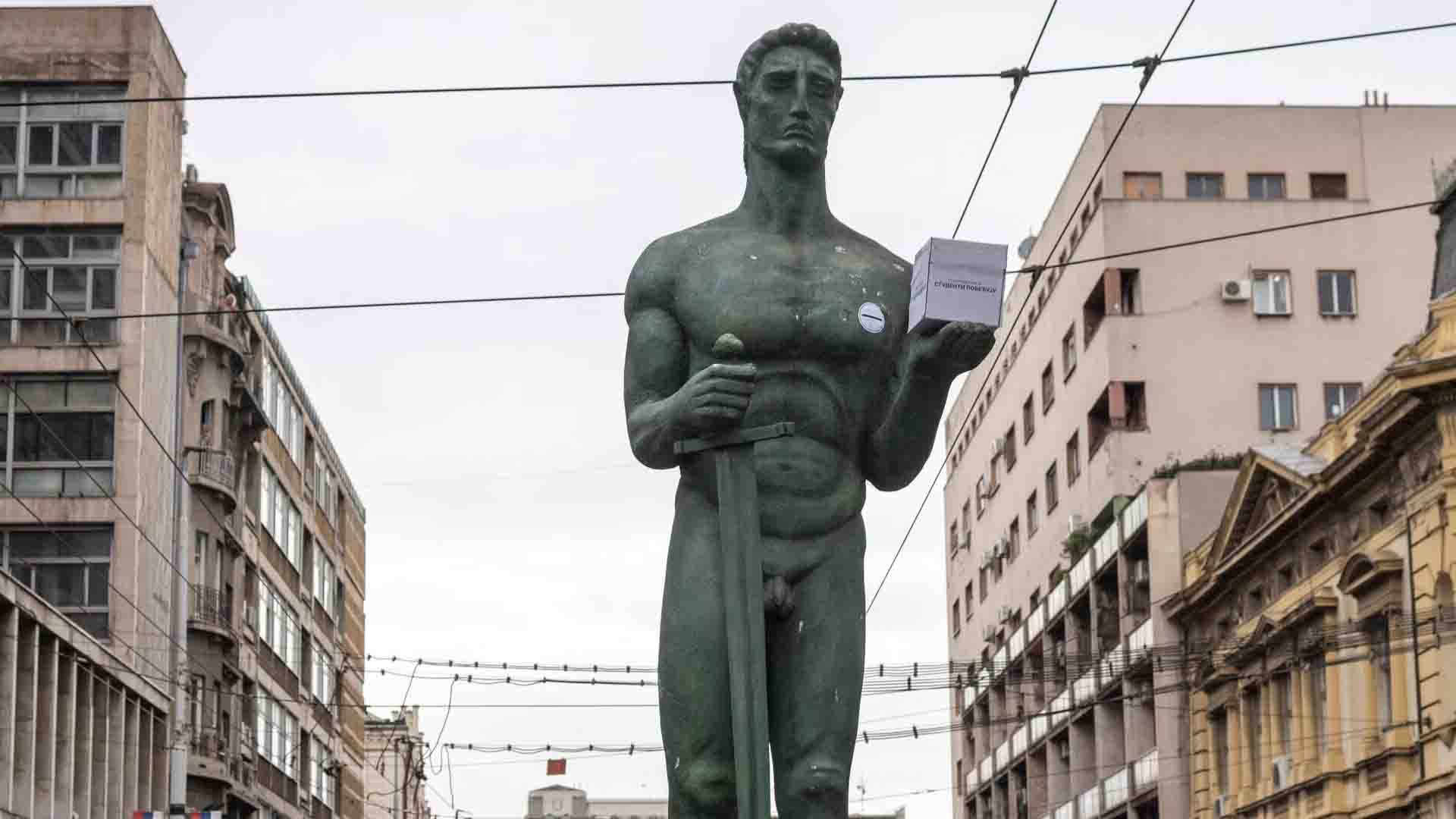
Amid the wave of student protests sweeping across Europe, some of which have unfortunately turned violent, I find this story from Serbia particularly refreshing.
In an October 21 opinion article in The New York Times, Serbian scholar Filip Balunović describes how a student protest movement that began almost two years ago has grown into a remarkable experiment in participatory democracy.
It began with a tragedy in November 2024, when the collapse of a railway station canopy in Novi Sad killed 16 people. The students demanded accountability for what they believed was a disaster caused by corruption and government negligence. Their protests grew into a nationwide movement challenging the government of President Aleksandar Vučić, whose party has dominated Serbian politics for 14 years.
But what is particularly inspiring is how these young people have moved beyond protesting against something to organizing themselves for something.
Instead of rallying behind a charismatic political personality, they developed a system of collective leadership and democratic decision-making. Through consultations, interviews, and deliberations involving thousands of students, they selected a slate of 250 parliamentary candidates—not merely politicians, but professors, scientists, doctors, workers, artists, and ordinary citizens.
And now, in the snap parliamentary elections this coming Sunday, October 25, this student-led movement will face the country’s entrenched political establishment.
What a fascinating David-and-Goliath story!
Of course, the outcome remains uncertain. The students themselves have suffered intimidation, arrests, and violence. But whatever happens on election day, they have already demonstrated something important: Democracy is not just about changing the people in power. It is also about changing the way power is exercised, shared, and held accountable.
I cannot help wondering what our young Filipinos might learn from this experience.
We have a generation of young people who are increasingly disillusioned with corruption, political dynasties, patronage politics, and the apparent inability of our democratic institutions to hold the powerful accountable.
But perhaps Serbia’s students are reminding us that indignation alone is not enough. Neither is merely replacing one set of political personalities with another.
What we need is a deeper renewal of our democratic culture—one that encourages participation rather than dependency, collective discernment rather than personality cults, public accountability rather than blind loyalty, and the common good rather than vested interests.
I find something profoundly hopeful in young people who refuse to surrender either to cynicism or to violence, and who are willing to undertake the patient and difficult work of building democratic institutions.
Perhaps this is the most refreshing lesson from Serbia: The young are not merely the future of democracy. They can already be among its most creative builders today.
And perhaps the real victory of David over Goliath begins long before election day—when ordinary people discover that they need not remain powerless before seemingly invincible political giants.
(Filip Balunović, The New York Times, October 21, 2026
Rev. Fr. Jerico Habunal
Thursday, October 22, 2026 10:54 am
4,479 total reads
Gospel Reading for October 22, 2026 – Luke 12: 49-53
INEVITABLE
Jesus said to his disciples: “I have come to set the earth on fire, and how I wish it were already blazing! There is a baptism with which I must be baptized, and how great is my anguish until it is accomplished! Do you think that I have come to establish peace on the earth? No, I tell you, but rather division. From now on a household of five will be divided, three against two and two against three; a father will be divided against his son and a son against his father, a mother against her daughter and a daughter against her mother, a mother-in-law against her daughter-in-law and a daughter-in-law against her mother-in-law.”
————
It is ironic to see religions dividing people in today’s world. Worse still, religion can cause division within a family, when it is supposed to bring love and peace to the family. But as Jesus said, he would cause division even within families. This happens when family members are baptized Christians but are merely nominal Christians. When family members do not embrace or live by the teachings of Jesus, division becomes INEVITABLE.
This is even more challenging in interfaith marriages, which, according to some studies, generally experience higher rates of divorce and lower marital satisfaction than marriages between people of the same faith. Issues such as where the children will be baptized, which schools they will attend, and other religious differences can cause unnecessary stress and friction between spouses.
How important it is for family members to be on the same page as Jesus so that the family may be healthy, united, and purposeful.
Lord Jesus, may our families be Christ-centered by listening attentively to your Word and putting it into practice, so that we may enjoy love and peace in our families. Amen.
32,350 total reads Kapanalig, taon-taon kapag isinumite ng Office of the President sa pamamagitan ng Department of Budget and Management sa Kongreso ang panukalang National Expenditure
83,123 total reads Mga Kapanalig, nang tanungin ang kanyang opinyon tungkol sa umano’y pagtanggap ng pera mula sa China at Hong Kong ng isang kompanyang iniuugnay
234,942 total reads Mga Kapanalig, hindi nakatutuwang pagtawanan ang mga taong may kapansanan o persons with disability. Siguradong narinig na ninyo ang tungkol sa episode ng
319,391 total reads Kapanalig, mahalaga sa sinumang lider ang pagtataglay ng katangiang “compassion” o kabutihang loob bilang servant leadership, dalisay na pagsisilbi sa taumbayan. Sinasabi sa
429,354 total reads Paggunita sa Mahal na Birheng Maria tuwing Sabado Tagapagdiwang: Rev. Fr. Jerome Secillano [fb_plugin video href=https://www.facebook.com/100069518821428/videos/640919728176053] [give_form id=”72114″ show_title=”true” show_goal=”false” show_content=”none” display_style=”onpage”]
429,299 total reads Paggunita sa Mahal na Birheng Maria tuwing Sabado Tagapagdiwang: Rev. Fr. Victor Sadaya, CMF [fb_plugin video href=https://www.facebook.com/DZRV846/videos/307434575241976] [give_form id=”72114″ show_title=”true” show_goal=”false” show_content=”none” display_style=”onpage”]
429,282 total reads Paggunita sa Mahal na Birheng Maria tuwing Sabado Tagapagdiwang: Rev. Fr. Joel DL. Rescober, CM [fb_plugin video href=https://www.facebook.com/DZRV846/videos/358163723302254] [give_form id=”72114″ show_title=”true” show_goal=”false” show_content=”none”
429,273 total reads Paggunita sa Mahal na Birheng Maria ng Fatima Tagapagdiwang: Rev. Fr. Joel Camaya, SDB [fb_plugin video href=https://www.facebook.com/DZRV846/videos/660940865819605] [give_form id=”72114″ show_title=”true” show_goal=”false” show_content=”none” display_style=”onpage”]