
REMEMBER ME
1,419 total reads
Homily for All Souls’ Day — November 2, 2026, Wisdom 3:1–9; Psalm 23; Romans 6:3–9; John 6:37–40
In 1987, when I was still doing my Licentiate studies in Louvain, Belgium, our family arranged for my mother to visit the United States for the first time. I flew in from Belgium myself and we met in San Diego, California with three of my sisters and two of my brothers.
One day, we decided to cross the border into Tijuana, Mexico. It was just a day trip—to enjoy some Mexican food and do a little sightseeing. One thing caught my attention: a peculiar sidewalk chapel with an image that, at first glance, looked like the Blessed Virgin Mary. But when I looked more closely, it was a skeleton dressed in a long robe, holding a sickle!
I later learned that Mexicans this figure was called Santa Muerte—Holy Death—a popular folk devotion in Mexico, although not recognized by the Catholic Church. Mexico also has a beautiful tradition of remembering the dead called Día de los Muertos, or Day of the Dead.
According to popular belief, during these days, the souls of the departed return to visit their families. So people prepare altars with photographs, flowers, candles, and even the favorite food of their deceased loved ones.
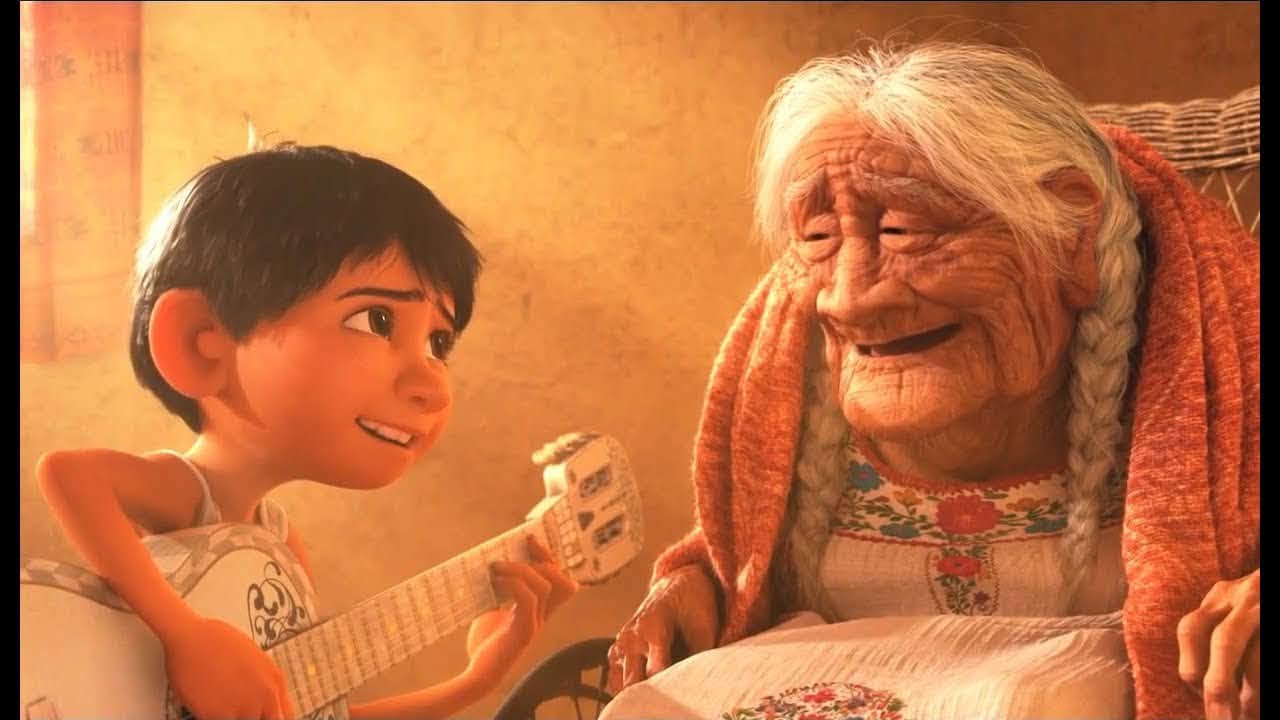
It reminds me of our Filipino tradition of Undas. And it brings to mind a beautiful animated film by Pixar entitled Coco, whose theme song is “Remember Me.”
The story is about a young Mexican boy named Miguel, who dreams of becoming a musician. Unfortunately, music has been forbidden in his family for generations. Why? Because an ancestor who was a musician supposedly abandoned his wife and daughter to pursue fame.
But during Día de los Muertos, Miguel mysteriously crosses into the Land of the Dead, where he meets a skeleton named Héctor. He eventually discovers that Héctor is actually his great-great-grandfather, the father of his elderly great-grandmother, Mama Coco. Héctor had not willingly abandoned his family. He had been murdered by another musician who stole his compositions and became famous with them.
Now here comes the most touching part of the story. In the film, there are supposedly two kinds of death. The first is physical death, when the body dies. The second is what they call the Final Death, when a deceased person is completely forgotten by everyone still living. When nobody remembers you anymore, you disappear even from the Land of the Dead.
And that is what Héctor fears. His daughter, Mama Coco, is now very old and gradually losing her memory. He is in danger of being forgotten forever. When Miguel finally returns to the world of the living, he approaches Mama Coco and sings a song her father had composed for her when she was a little girl.
The song is called “Remember Me.” “Remember me, though I have to say goodbye. Remember me, don’t let it make you cry.”
As Miguel sings, something wonderful happens. Mama Coco begins to remember. She recognizes the song, remembers her father, and even begins singing along. It is an unforgettable scene. Through a simple song, her father comes alive again in her memory.
But here is where our Christian faith offers us something even more consoling. Our eternal existence does not depend on whether the living continue to remember us. Why?
Because even when human beings forget, God never forgets. Remember the beautiful words of the prophet Isaiah:
“Can a mother forget her infant, be without tenderness for the child of her womb? Even should she forget, I will never forget you.” (Isaiah 49:15)
Those words inspired the beautiful Filipino hymn, “Hindi Kita Malilimutan”—“I Will Never Forget You.”
It is almost as though God were answering the song from Coco. Humanity sings, “Remember me.”
And God answers, “I will never forget you.” In our first reading from the Book of Wisdom, we hear:
“The souls of the just are in the hand of God.”
They have not simply disappeared into nothingness. They remain in God’s hands. And in today’s Gospel, Jesus makes an even more beautiful promise:
“This is the will of the one who sent me, that I should not lose anything of what he gave me, but that I should raise it on the last day.”
Notice those words: “I should not lose anything.” No one entrusted to Christ by the Father is meant to be lost. That is the foundation of our Christian hope—not merely that our loved ones will remain alive in our memories, but that we shall share in Christ’s resurrection.
As St. Paul reminds us in the second reading, if we have been united with Christ in his death through baptism, we shall also share in his resurrection.
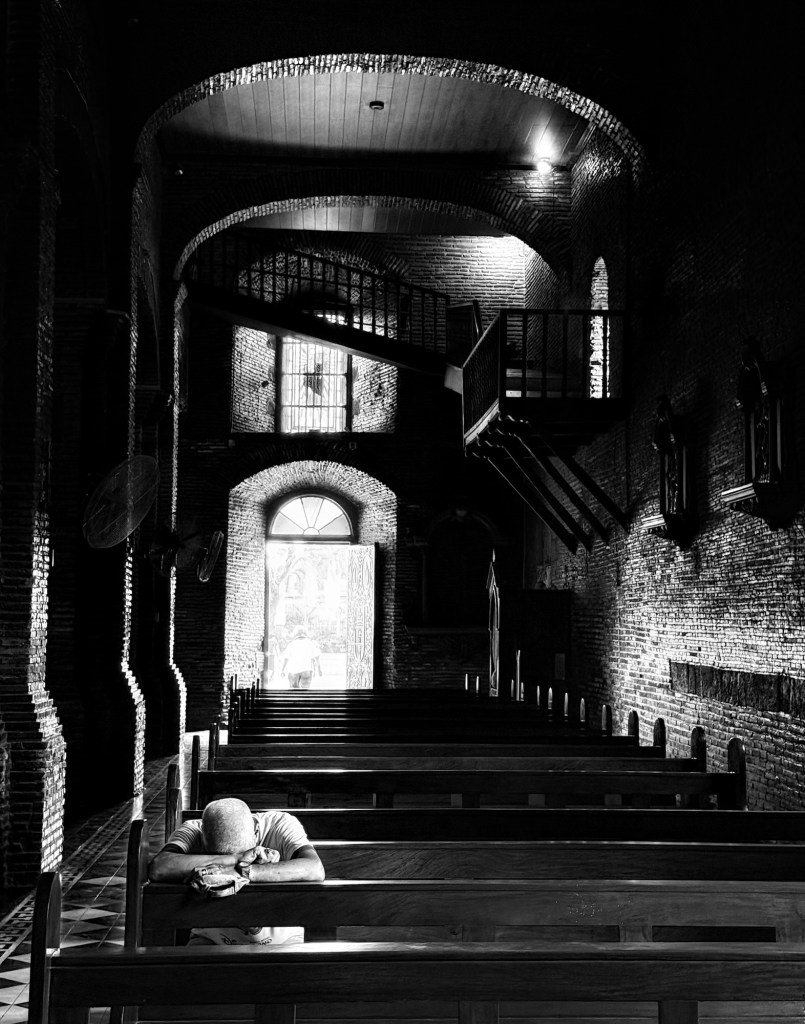
Today, as we gather as a family, we remember Ma and Tang—Bienvenida and Pedro—our brother Dante, and all our relatives and loved ones who have gone before us. As we grow older, some memories inevitably begin to fade. Faces become less distinct. Voices become harder to recall. Sometimes all it takes is an old photograph, a familiar song, a favorite dish, or a place we once visited together to bring those memories back.
Just as that little trip to Tijuana with my Ima, almost forty years ago, has remained with me. But we remember our dead not because we fear they will cease to exist if we forget them. We remember them because love does not end with death.
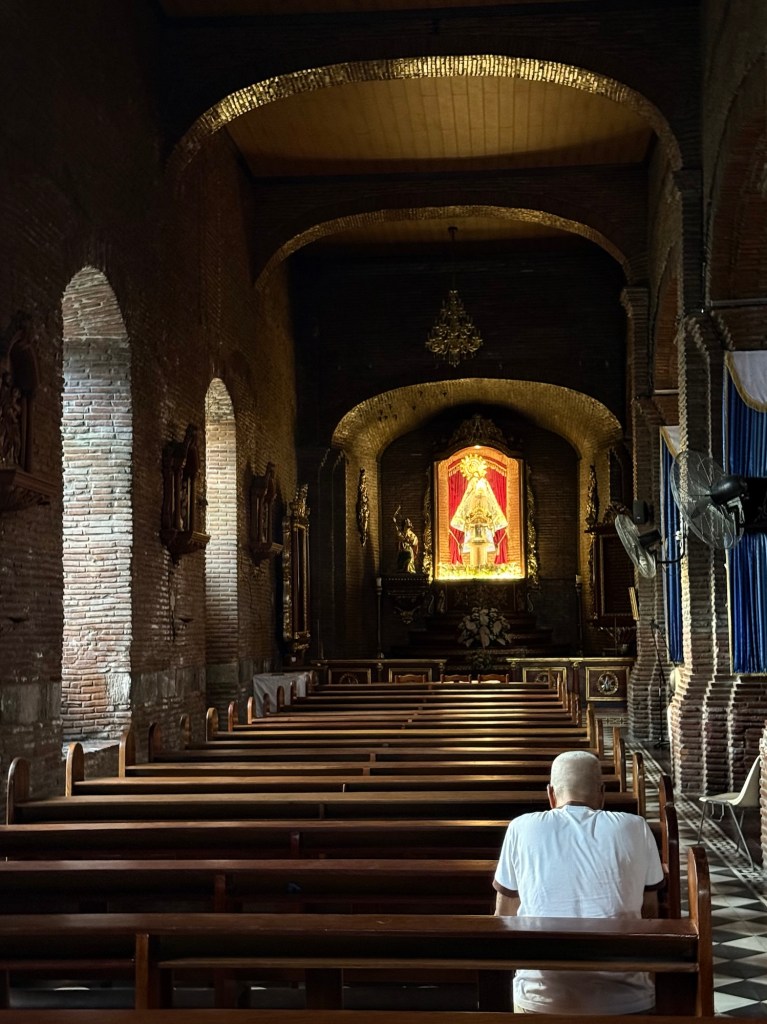
That is what we profess in our faith in the Communion of Saints. Even death cannot completely cut off the bonds that unite us in Christ. And so, on this All Souls’ Day, we offer our prayers for those who have gone before us, entrusting them to God’s infinite mercy.
Perhaps “Remember Me” is the song we wish to sing to our departed loved ones. But there is an even more beautiful song that God sings to each of us:
“Hindi Kita Malilimutan. I will never forget you.” And when our own time comes, when our names are no longer spoken, when even the last person who remembers us has passed away, there will still be Someone who remembers.
The God who gave us life. The God who loved us before we were born. The God who, through Jesus Christ, promises to raise us up on the last day. Because God’s final word about us is not death, but life.