

A REFRESHING WIND OF CHANGE FROM SERBIA
206 total reads
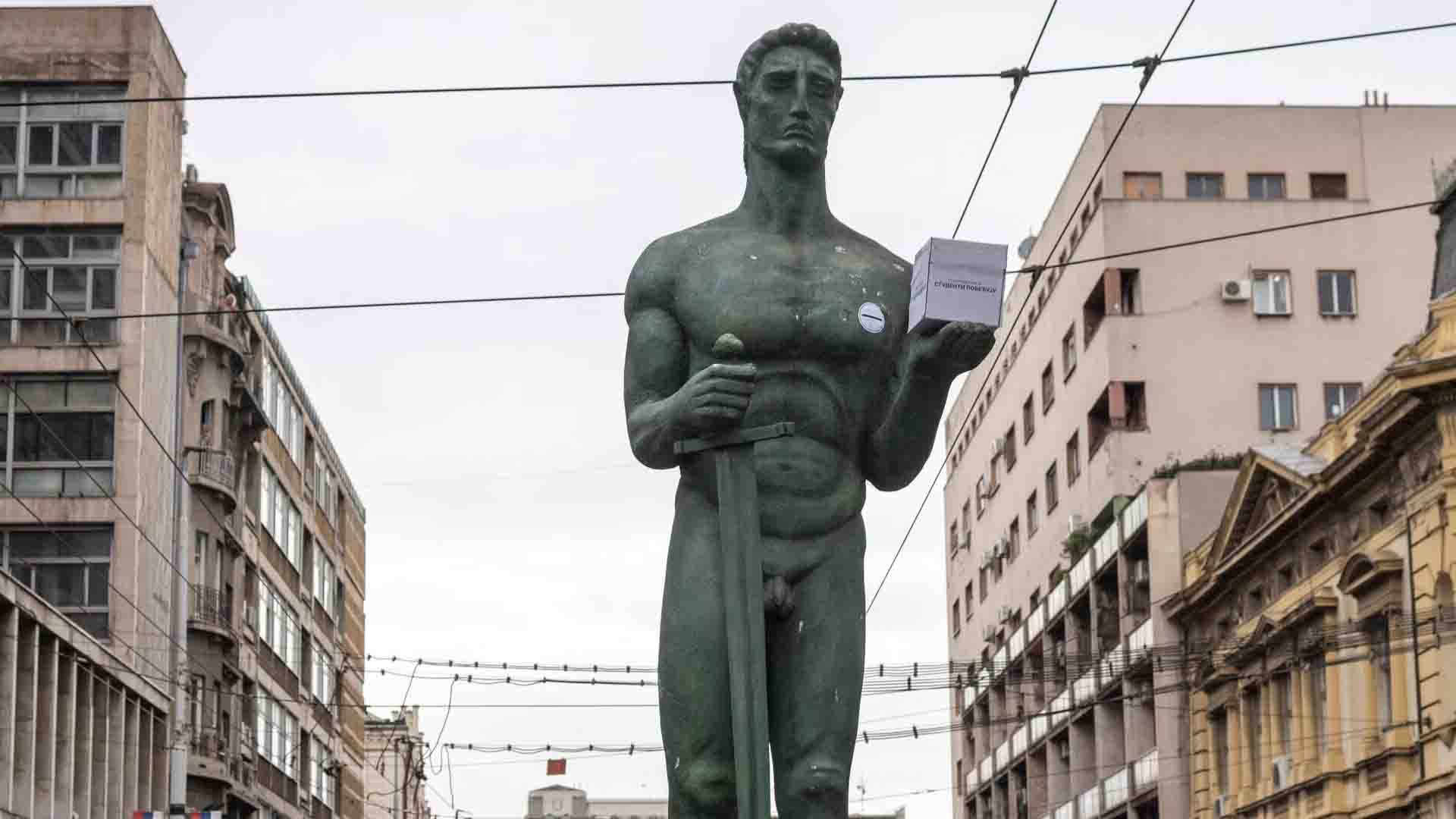
Amid the wave of student protests sweeping across Europe, some of which have unfortunately turned violent, I find this story from Serbia particularly refreshing.
In an October 21 opinion article in The New York Times, Serbian scholar Filip Balunović describes how a student protest movement that began almost two years ago has grown into a remarkable experiment in participatory democracy.
It began with a tragedy in November 2024, when the collapse of a railway station canopy in Novi Sad killed 16 people. The students demanded accountability for what they believed was a disaster caused by corruption and government negligence. Their protests grew into a nationwide movement challenging the government of President Aleksandar Vučić, whose party has dominated Serbian politics for 14 years.
But what is particularly inspiring is how these young people have moved beyond protesting against something to organizing themselves for something.
Instead of rallying behind a charismatic political personality, they developed a system of collective leadership and democratic decision-making. Through consultations, interviews, and deliberations involving thousands of students, they selected a slate of 250 parliamentary candidates—not merely politicians, but professors, scientists, doctors, workers, artists, and ordinary citizens.
And now, in the snap parliamentary elections this coming Sunday, October 25, this student-led movement will face the country’s entrenched political establishment.
What a fascinating David-and-Goliath story!
Of course, the outcome remains uncertain. The students themselves have suffered intimidation, arrests, and violence. But whatever happens on election day, they have already demonstrated something important: Democracy is not just about changing the people in power. It is also about changing the way power is exercised, shared, and held accountable.
I cannot help wondering what our young Filipinos might learn from this experience.
We have a generation of young people who are increasingly disillusioned with corruption, political dynasties, patronage politics, and the apparent inability of our democratic institutions to hold the powerful accountable.
But perhaps Serbia’s students are reminding us that indignation alone is not enough. Neither is merely replacing one set of political personalities with another.
What we need is a deeper renewal of our democratic culture—one that encourages participation rather than dependency, collective discernment rather than personality cults, public accountability rather than blind loyalty, and the common good rather than vested interests.
I find something profoundly hopeful in young people who refuse to surrender either to cynicism or to violence, and who are willing to undertake the patient and difficult work of building democratic institutions.
Perhaps this is the most refreshing lesson from Serbia: The young are not merely the future of democracy. They can already be among its most creative builders today.
And perhaps the real victory of David over Goliath begins long before election day—when ordinary people discover that they need not remain powerless before seemingly invincible political giants.
(Filip Balunović, The New York Times, October 21, 2026