


16,357 total reads
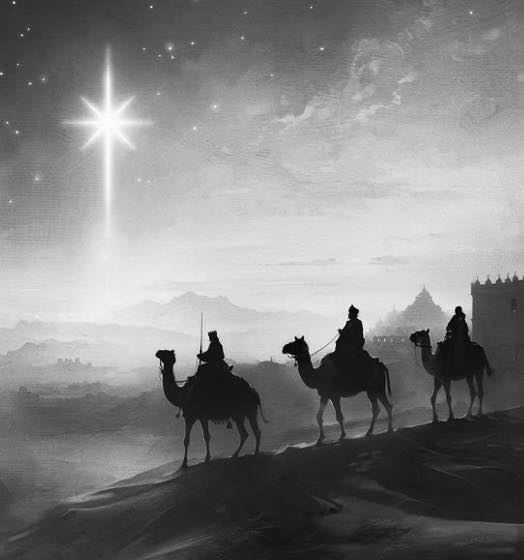
Epiphany Sunday
Is 60:1-6
The reading depicts Israel’s universal mission bathed in radiance, similar to Second Isaiah, with darkness replaced by God’s glory shining on Jerusalem (vv2f). It hints at Israel influencing other nations (v3; 49:6). The initial vision shows her people returning (v4; 43:5t), leading to a scene of wealth and abundance as distant lands’ riches are brought to Jerusalem by land and sea (vv5f). Caravans from Midian, Ephah, Sheba, and Kedar, major trade routes through Arabia, bring wealth from the Orient (1 Kgs 10:1f).
Eph 3:2-3, 5-6
Paul discusses his role in God’s grace plan (v2), highlighting ‘mystery’ (v3), referring to God’s salvific plan hidden in ages past and revealed in Christ. This secret, now known to apostles and prophets, is the equal inclusion of Gentiles and Jews (v6). The Greek term emphasizes this equality, with heirs, body members, and partners. Believers, as members of the Holy Spirit, become heirs of God’s reign (Gal 4:7). The compound nouns stress the removal of barriers, illustrating unity in God’s plan.
Mt 2:1-12
The story of the magi is an important statement of belief in Christ and his mission from a Matthew perspective, representing a post-Easter outlook that reflects a fuller understanding gained after the Spirit was given. Several biblical texts come together to highlight Matthew’s purpose:
a. Jesus, the Descendant of David: This emphasis appears in the main part of the story (v6). It combines a Micah passage (5:1, 3) with one from 2 Samuel (5:2). The original Micah’s “clans” become “rulers” in Matthew to emphasize royal ties. David’s lineage is linked to Bethlehem, where Jesse, David’s father, lived (1 Sam 16). The combined text also points to Christ as a shepherd-king. The star’s appearance adds more Davidic hints, connected to Balaam’s prophecy (Num 24:17) about a royal figure rising from Jacob’s line. A new star’s appearance in ancient times was popularly seen as the birth of a future leader.
b. Jewish and Gentile Reactions: Herod ruled from 37 to 4 B.C. The story fits what is known about his character, but many details are not essential. What’s clear is the dilemma faced by the early church: Jews, for whom the Messiah was the promised one, refuse to accept him, while Gentiles are increasingly drawn to him. In the story, Jewish experts, the keepers of tradition, easily identify the child’s prophesied birthplace (vv5f). Yet their response is marked by fear (“all Jerusalem with Herod,” v3) and deception (v8). “Magi” originally referred to Persian priests, later to diviners, here meaning astrologers. They traverse Judaism (Jerusalem) to find the truth of Christ.
c. The motif of universality. Foreigners bring gifts (Ps 72:10), including gold and frankincense (Isa 60:6), showing Gentile openness to the gospel. (The mention of “kings” in the psalm and the three gifts in the story led to the tradition that the visitors were three kings.) The foreigners’ acknowledgment of Christ’s importance is shown in their act of adoration (Gr: proskuneo), the same respect given to Jesus by the apostles after the resurrection (28:17).
d. Jesus, the New Moses: The Matthew infancy story generally shows Jesus reliving Moses/Israel’s experience. This is also seen in the magi story. There’s a strong resemblance to the legend in Josephus about Moses’ birth predicted by sages to Pharaoh, leading to his reaction in the slaughter of innocent children.
The Feast of the Epiphany shows Jesus is for the entire world, breaking down barriers and rejecting religious elitism, as all are equal in God’s eyes. The early church practiced shared worship and meals. To prevent violence and polarization, Christians must act accordingly. St Paul reminds us we are all co-heirs and co-partners, aiming for a classless society in a Christian sense. Let’s build it together the synodal way. Amen!