


2,243 total reads
4th Sunday or Lent (A)
1 Sam 16:1, 6-7, 10-13
The story of David’s selection and anointing shows Yahweh’s plan to continue the monarchy after Saul’s rejection. David’s anointing at his introduction fixes his destiny, especially amid conflicts with Saul. He is only recognized as king later (2 Sam 5:1 – 5). The two anointing stories may come from different traditions; David’s initial anointing is unknown even to his brothers. The accounts serve different purposes in Samuel, with David’s private selection paving the way for his future rise.
God, not Samuel, chooses David. Bethlehem, Jesse’s town, is south of Jerusalem. Yahweh’s choice of the youngest aligns with His tendency to select the lowly. Samuel mistakenly expects Eliab to be chosen, but God looks at internal qualities, not appearance. David’s handsome features are noted, but his character will develop. The Spirit of the Lord empowers David after his anointing, showing God’s role in his effectiveness. This story reflects light overcoming darkness, with Yahweh guiding the future king based on His insight.
Eph 5:8-14
The reading discusses light and darkness in moral life, common in Jewish literature like Qumran. The Ephesian believers, once without faith, have been enlightened through baptism, and their actions should now reflect this new light. Light signifies good and truth, revealing sinful activity and exposing darkness. The passage concludes with a hymn, likely linked to baptism, emphasizing the transition from sin (‘night’) to grace (‘day’), using images like sleep to symbolize sin and awakening to symbolize grace.
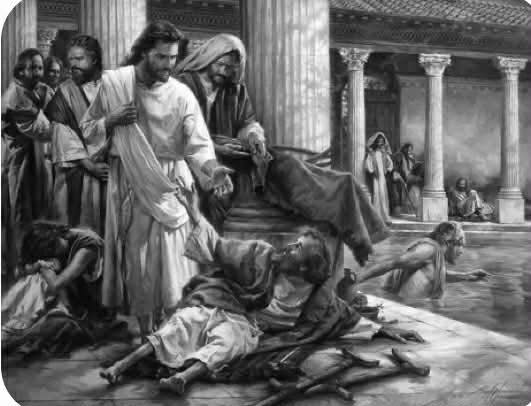
Jn 9:1 – 41
The chapter recounts Jesus healing a man born blind, illustrating his role as the light of the world (v5). The story symbolizes the journey from spiritual darkness to faith, with the blind man growing in belief as he recognizes Jesus, culminating in worship (v38). Meanwhile, the Pharisees, claiming spiritual sight, are depicted as spiritually blind, rejecting Jesus despite their knowledge, leading to increasing darkness (vv40f). The narrative highlights the themes of faith, baptism, and the conflict between early Christians and Jewish authorities, emphasizing that true sight comes through faith in Jesus.
Jesus is the light of the world (v5, cf 8:12). To come to him in faith is to accept the light; to reject him is to embrace the darkness (cf 1:3-11).. As Christians, we are called to light, sight, and truth. In human affairs, that means transparency, candor, and charity. May we as baptized Christians continually shun the darkness of sin and live in the light of Christ, as we pray: “May the Lord Jesus touch our eyes…that we may see in visible things those which are invisible”. (Origen c.185-253) Amen!