

Is 58:7-10
The passage from Third Isaiah, written after the exile, focuses on moral malaise and covenant infidelity, rather than political issues. It discusses true worship, emphasizing that fasting without caring for the needy is meaningless. Sharing food, clothing, and home symbolizes this care, ushering in an era of messianic light and healing, where past sins are forgotten. The desert journey imagery highlights Yahweh’s covenant fidelity and protection. Ethically, the passage urges obedience and outreach to the suffering, stressing that moral righteousness includes positive action, akin to Jesus’ teachings in the Sermon on the Mount. This active pursuit of justice is central to Judeo-Christian morality.
1 Cor 2:1-5
The reading highlights Paul’s initial approach to Corinth, emphasizing his reliance on God’s spirit rather than human wisdom. Though his message faced skepticism, the power of God’s spirit confirmed its impact. His weaknesses underscored that God’s spirit, not credentials, drives success. The mystery of God’s salvific plan, revealed in Jesus’ death and resurrection, remains central, demonstrating that human inadequacy can be a blessing when empowered by God’s spirit.
Mt 5:13-16
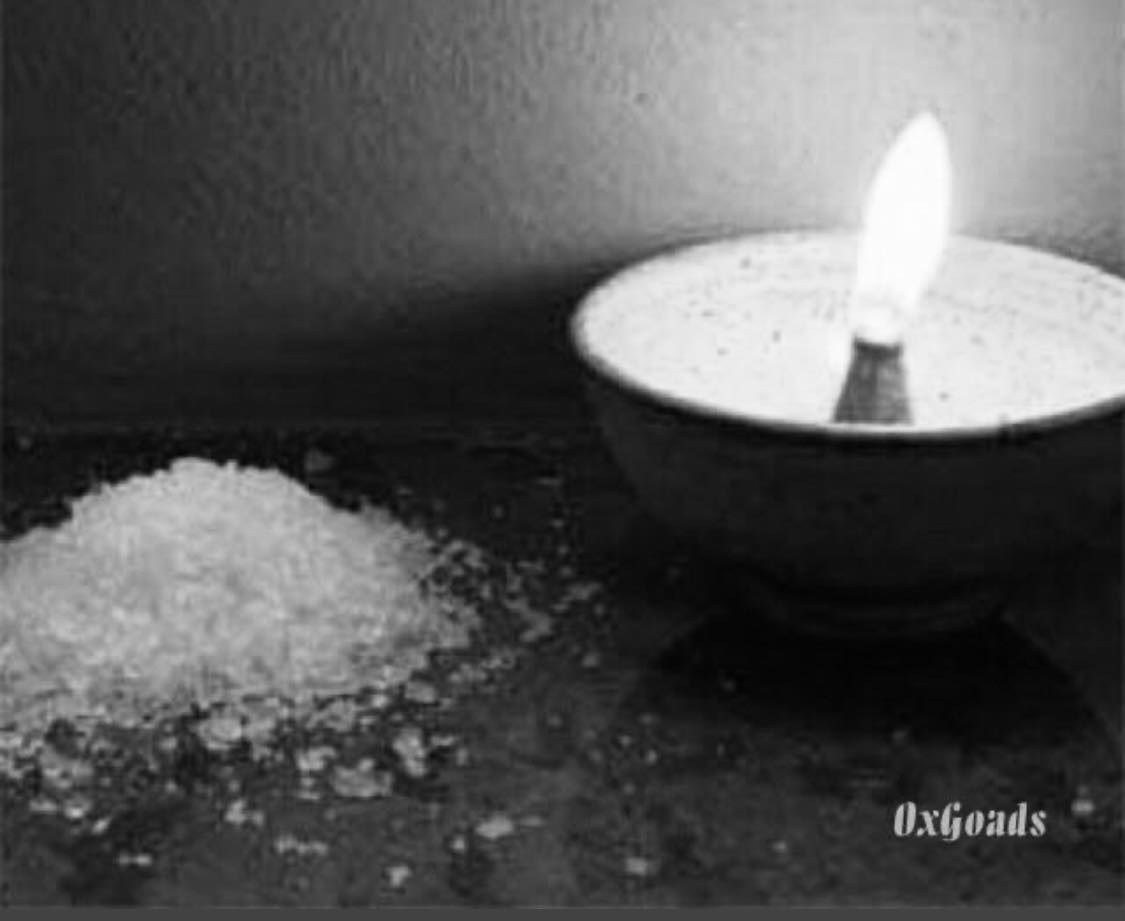
The gospel continues the theme of light, applying salt and light images to Jesus’ listeners, as seen in other synoptic gospels. Both simulate preservation and illumination; salt preserves and flavors, while light reveals and gives meaning. Christians are called to bring a new vision to darkness and enrich society. When salt loses its flavor, it’s discarded (eschatological). Matthew personalizes these images, applying light to Yahweh, Jesus, and believers, symbolizing God’s manifestation in their lives. Unlike Mark, where light pertains to Jesus’ teaching, Matthew uses it for followers, emphasizing that their truth cannot be hidden like a lamp’s light. The text subtly warns against pride—praise belongs to God, not oneself.
Light links today’s liturgy of the word, explained in the first and third readings, while Paul teaches that Christ’s light has power when preached, unaffected by human wisdom. We often equate faith with knowledge, prioritizing study and eloquence, but today reminds us that salvation is God’s work, made visible in our daily lives. It is the active word within us that makes us “the light of the world” and “the salt of the earth”. May we all shine and positively influence others through our Christian lives. Amen!