


8,078 total reads
4th Sunday (A)
Zeph 2:3; 3:12-13
The reading highlights that during the late seventh century B.C., Zephaniah addressed Judah’s pride and arrogance amid Babylon’s threat. Despite impending punishment, he affirms Yahweh’s fidelity, preserving a remnant—characterized by lowliness and dependence on God—who will be saved. Originally, the remnant meant survivors after disasters or defeats, symbolizing hope for land restoration. The prophetic message emphasizes moral integrity, humility, and reliance on the Lord, contrasting with Judah’s arrogant spirit. The concept of the “poor of God’ evolved from socio-economic to spiritual humility, stressing total dependence on God. Zephaniah’s views combine these themes, urging humility and fidelity for salvation.
1 Cor 1:26-31
St. Paul teaches that salvation is God’s work, focused on the humble and lowly, excluding self-justification. He reminds the Corinthians they are not the smartest or most noble, but God’s chosen because of His love. All is from God; nothing is their own. Their only wisdom is Christ, through whom God has saved and made them holy, removing sin and establishing justice. They should not boast but trust in Christ, their salvation and righteousness.
Mt 5:1 – 12
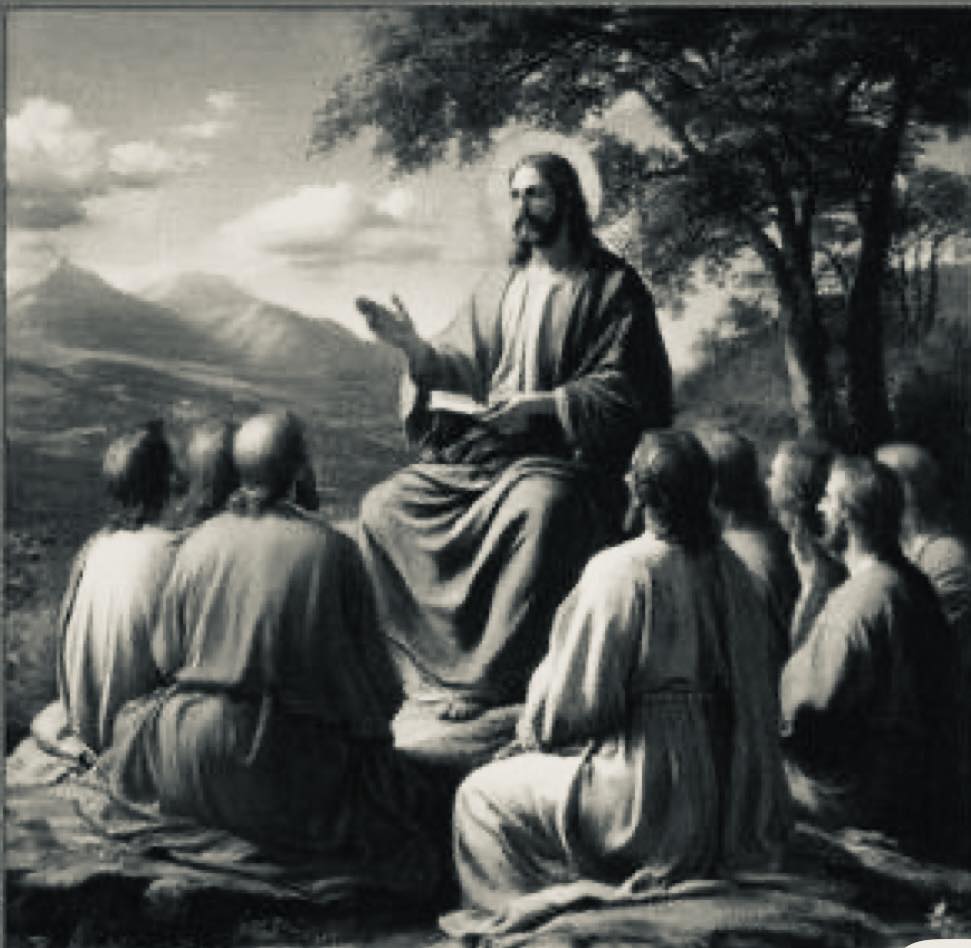
The gospel reading from Matthew’s Sermon on the Mount introduces the beatitudes, which expand on the notion of the poor of God. Matthew’s nine beatitudes differ from Luke’s four (Lk 6:20 – 23), and are unique in the evangelists. Some derive from a shared source linked to Jesus, reflecting early church life, especially in vv10-11. Luke’s categories—poor, hungry, mourners—are socio-economic and emphasize God’s concern, but Matthew adds a spiritual dimension, viewing these as expressions of the anaw-im. The poor become ‘poor in spirit,’ mourners grieve evil’s dominance, and the meek show patience. Luke’s hungry symbolizes those longing for God’s justice, and merciful individuals forgive and love neighbor. Purity of heart signifies sincerity, and peacemakers foster harmony. The final beatitudes, reflecting early church persecution, emphasize God’s favor for the suffering, with rewards linked to God’s reign. Addressed to the disadvantaged, the beatitudes promise a better future, rooted in trust that Yahweh will vindicate them.
The readings today stress humility, dependence, and God’s supremacy-Zephaniah highlights God’s sacred remnant and humble hearts, Matthew’s Beatitudes deepen the understanding of poverty while Paul combines God’s favor with our poverty, showing redemption.. May we all become truly blessed before God and men. Amen.
s1S#122 Poor (In Spirit)
In his gospel, Matthew gathered scattered pieces of Jesus’ teaching and crafted them into a sermon delivered on a mount (ch 5-7); while Luke (6:17-49) reports an abbreviated version in a similar sermon delivered by Jesus on a plain. They both begin with the Beatitudes (cf below s1S#71 2/13/22).
The first beatitude is about the poor.
“ptōchos” ( πτωχος ) is the most common term in the NT for “poor”. While adjective in form it is used mainly as a noun with the sense of being economically destitute, (Mt 11:5, 26:11; Mk 14:5; Lk 4:18, 16:20; John 12:5; Rom 15:26; Gal 2:10; James 2:2). But in Matthew (5:1-12), the word is qualified with “in spirit”. The expression refers to the quality of genuine humility recognizing that one lacks worldly status and honor, which leads to faithful dependence on God. The poverty described is that of the man fully conscious of the poverty of all human resources and knowing his need and desire for God. (According to philologists, the term is based in Hebrew where two words, ‘anawim and ‘aniyim, are virtually synonymous, meaning poor and humble. In short, poverty and humility conjoined). The ultimate example of this is Jesus. By setting aside all his heavenly status to become a man, he perfectly illustrated that spirit of dependence upon God that the condition of poverty was intended to instill in those so affected. He “became poor for our sake” so that we might become rich in spiritual relationship with him, (2 Cor 8:9).
The first beatitude speaks explicitly of the ‘anawim’, but the underlying spirit of authentic poverty is present in all the Matthean beatitudes- to those who mourn, who hunger, who are persecuted, etc. They are considered disadvantaged or deprived of what human beings of any culture suppose and regard as important. But in the eyes of Christ in such circumstances, one can truly realize their need for God and made them rely on him completely. Thus, they are declared blessed, favored, and extolled (by God, the grammatical “theological or divine passive voice”). And as they attempt to cope with the present world they are assured a better lot for they are confident that God will be their ultimate vindicator.
Only God can make us truly blessed. Let us acknowledge our poverty in all things and humbly rely on him in everything. Amen.