

WHEN WAR SPREADS, WHO IS SAFE?
378 total reads
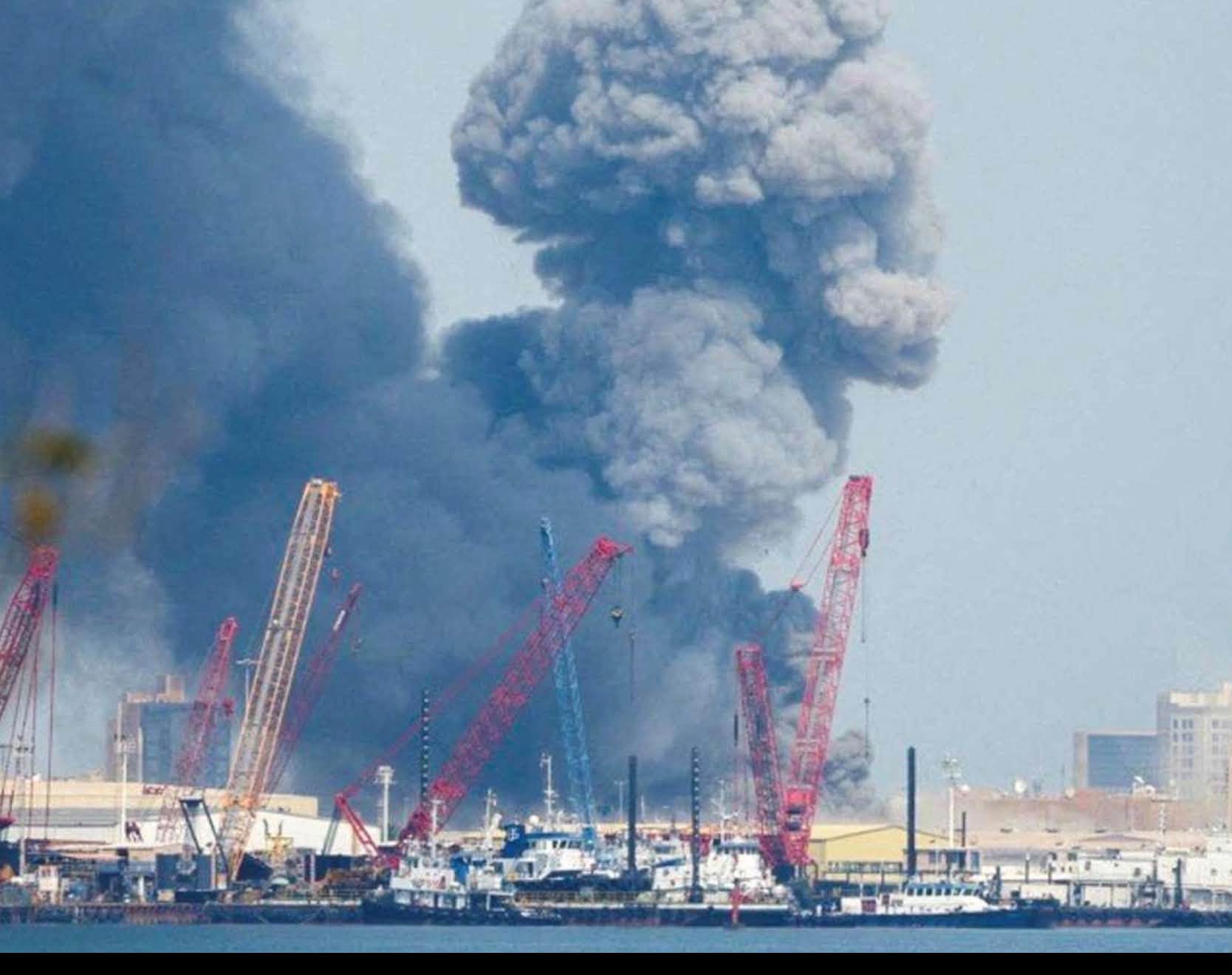
I am deeply concerned about the continuing escalation of the war in the Middle East. What began with American and Israeli attacks on Iran last February has developed into a wider regional conflict, with Iran retaliating against American military installations in several Gulf countries, including the United Arab Emirates, Qatar, Bahrain, Kuwait and Oman. Iran maintains that it has nothing against its Gulf Arab neighbors and that its targets are mainly American military facilities located within their territories. But the consequences of these attacks are being felt far beyond the military bases. Civilian lives, airports, energy facilities and international shipping are being placed at risk.
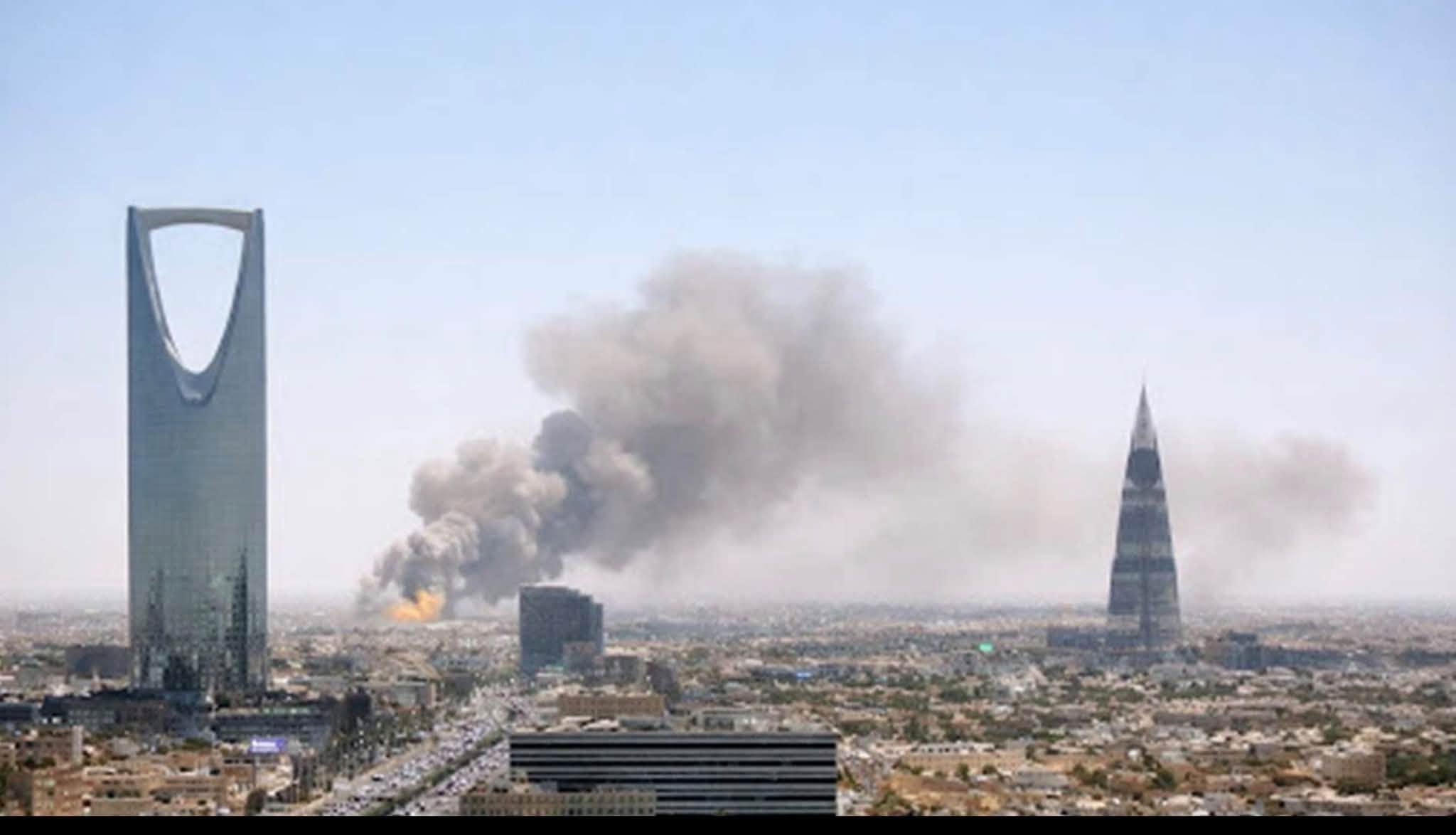
Saudi Arabia has also been drawn into the conflict, with renewed missile and drone attacks by Yemen’s Iran-backed Houthi movement. Just this weekend, attacks were reported near Riyadh’s international airport. The danger is that countries which have sought to avoid direct involvement in the war are nevertheless being drawn into its expanding circle of violence.
My apprehension is not only for the citizens of these Gulf countries, but also for the millions of Filipinos who live and work there. According to Philippine government estimates reported in March 2026, there are approximately 2.35 million Filipinos in the six Gulf states: 975,000 in the UAE, 813,000 in Saudi Arabia, 250,000 in Qatar, 211,000 in Kuwait, 56,000 in Bahrain and 49,000 in Oman. These are our fellow Filipinos who have left their families behind to earn a living abroad. Their safety and welfare must remain a priority for our government.
I am equally troubled by Israel’s continuing involvement in the war against Iran, even as its military operations in Gaza and Lebanon continue. In Gaza, Palestinians are still dying despite the ceasefire, while families displaced by the war are forced to live among the ruins of their destroyed homes. In Lebanon, renewed Israeli strikes and exchanges of fire with Hezbollah threaten to unravel the fragile ceasefire. How much more suffering must ordinary people endure before the parties involved seriously commit themselves to peace?
This situation has become a personal concern for me as well. I am scheduled to travel to Rome for meetings in early October, taking an Emirates flight that will transit through the UAE. During my previous trip to Rome, I deliberately avoided the Gulf region and took a China Airlines flight through Beijing instead. I now find myself wondering whether I should have made the same choice for this forthcoming journey.
There is another dimension to this war that troubles me deeply: the growing use of artificial intelligence in modern warfare. Reports indicate that AI-assisted systems have already been used in military targeting operations against Iran, as well as in Gaza and Lebanon. These technologies can accelerate the identification and selection of targets, compressing decisions that once took hours into mere minutes or seconds.
At the same time, leading AI developers themselves have been warning about the growing difficulty of understanding and controlling the behavior of increasingly powerful AI systems. This raises a disturbing question: Could AI-assisted military decision-making have contributed to the speed and scale of this recent escalation? We do not yet have sufficient evidence to answer that question. But it is a question that urgently deserves investigation, especially as the race toward artificial superintelligence continues.
Are we allowing the development of technologies that can accelerate the machinery of war faster than human wisdom, moral discernment and diplomacy can restrain it?
I pray that the leaders of the nations involved will find the courage to step back from this dangerous escalation and return to the negotiating table. Peace cannot be achieved simply by developing more sophisticated weapons or by threatening one another with greater destruction.
The lives of millions of innocent people, including our own Filipino brothers and sisters working in the Middle East, are at stake. We cannot afford to leave their future to the logic of war, much less to machines that may one day operate beyond our capacity to understand and control them.