


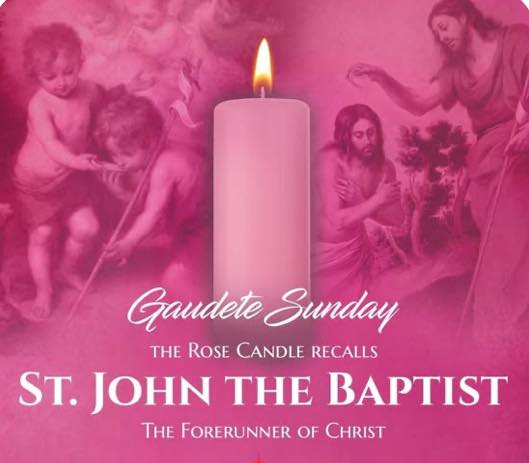
3rd Sunday Advent C
Is 35:1-6, 10
This chapter of Isaiah links First and Second Isaiah, originally joining them. It features themes like final deliverance, God’s glory, and natural imagery from earlier, but also includes Second Isaiah’s motifs such as the homeward journey and Zion’s welcoming. The chapter reflects the time of the second author, drawing on earlier themes. A redeemed people journey through a transformed desert—symbolizing God’s favor—where blessings are tangible, expressed through nature. Restoration turns the desert into a lush garden, the disabled regain health, and exiles return to Zion. Fertile lands symbolize blessing and disaster. This transformation, showcasing Yahweh’s glory, comforts the discouraged. The disabled are healed, representing wholeness and end-time victory. The closing verse depicts the redeemed entering Jerusalem in procession, echoing later Jewish hope for post-exilic and diaspora return.
Jas 5:7 -10
James highlights patience three times (vv 7, 8, 10) prompted by the delay in Jesus’ return and trials from injustices by the rich (5:1-6). It also addresses everyday relational struggles (v9). The audience is assured of the Lord’s imminent coming as a just judge. James uses comparisons, likening patience to Palestinian farmers awaiting seasonal rains (v7) and biblical prophets as endurance models (v10). Early church suffering mirrors the prophets’, emphasizing that trials are temporary and will end with God’s justice.
Mt 11:2-11
The dialogue between Jesus and John’s disciples, shared with Luke (7:18-28), comes from the Q tradition, reflecting the early church’s effort to clarify Jesus’ messiahship, possibly amid controversy with later Baptist followers. The reference to the miracles/works (v2) recognizes Christ as the Messiah. Jesus responds to John’s disciples (vv3-6) using prophetic themes (Is 29:18f; 35:5f), highlighting the healing and compassionate nature of the final era, different from the judgment-inclined Messiah in John’s earlier prediction (3:10f). Jesus emphasizes the priority of the poor (v5) and blesses those who accept him without stumbling over preconceptions (v6). Jesus praises John (vv7-11), posing six negative questions to underline John’s ascetical, prophetic role as the final-era forerunner, (citing Malachi 3:1 and Exodus 23:20). In this role of immediate forerunner of the Lord, John has no human equal, an unusually strong affirmation (v11). At the same time, the disciples of Jesus, especially with the post-Easter outpouring of the Spirit, are graced and privileged in a way that surpasses anything that John had received. The statement sharply highlights the singular grace of the Christian life.
The motive to rejoice during Advent is the nearness of the coming of the Lord. His coming is truly a cause for rejoicing for anyone who tries to live a life of faith because our redemption and liberation are guaranteed. Let us indeed rejoice for having received the story ngular grade of Christian life. Amen.