


2nd Sunday of Lent A
Gen 12:1-4
The story begins with God’s call to Abram, transitioning from humanity’s sin in Genesis 1-11 to a new era of blessing. Abram, still unnamed, is commanded by Yahweh to leave Haran for an unknown land, symbolizing movement with religious significance. As a nomad, Abram embodies willing obedience to God, reversing the curse-filled Genesis 1-11 with blessings. He receives a sevenfold blessing, promising descendants and a new nation, and his name becomes sacred and universal. Yahweh pledges protection, and blessings carry genuine, independent power. This blessing tradition, from around 1000 B.C., reflects Israel’s experience and the patriarch’s importance. Despite his age, Abram and Lot set out for an unknown destination.
2 Tim 1:8-10.
The author summarizes salvation theology, emphasizing God’s favor through Christ’s death and resurrection. Believers move from alienation to holiness and from death to life by grace, not works. God’s plan, realized through His Son, makes salvation available to all, destroying death’s separation from God.
Mt 17:1 – 9
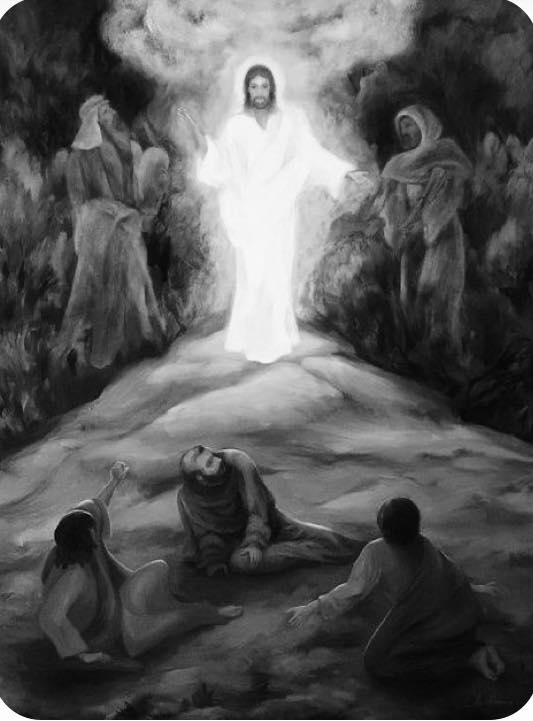
The transfiguration in the synoptic tradition is a theophany, similar to Moses’ Sinai experience or Jesus’ baptism, with a heavy theological overlay making it hard to identify a purely historical core. The evangelists present the account clearly, and our task is to understand its message. It emphasizes the Father’s recognition of Jesus as His Son and the favored servant, referencing Psalms and Isaiah, and highlighting Jesus as the end-time prophet like Moses. The heavenly voice’s statements point to Christ as the fulfillment of biblical themes, with the Son of God designation linking to Jesus’ baptism and Peter’s confession. The event is depicted with apocalyptic imagery—Jesus is transformed and shines brightly, reminiscent of Daniel’s language, with disciples prostrated and touched by Jesus’ words. The three tents may symbolize the end-time Feast of Tabernacles, which Peter wants to start immediately. The account stresses fulfillment, with Moses and Elijah representing the law and prophets converging on Jesus—important end-time figures. Jesus appears as a new Moses on a mountain resembling Sinai, with a cloud and revelation after six days, similar to Sinai’s scene. Jesus’ final words hint that this theophany also previews His resurrection glory after completing His role as Son of Man.
God’s involvement in his people’s lives means blessings and favor. Abraham and Christ were favored to serve others. The letter to Timothy shows that being favored by God is a gift: from slavery to freedom, death to life, sin to grace. We could do nothing to deserve it; through faith, we know everything is ours because Christ earned it.
Lent is a good time to reflect on salvation. Looking at the cross reminds us to be thankful. We are favored children. Amen!