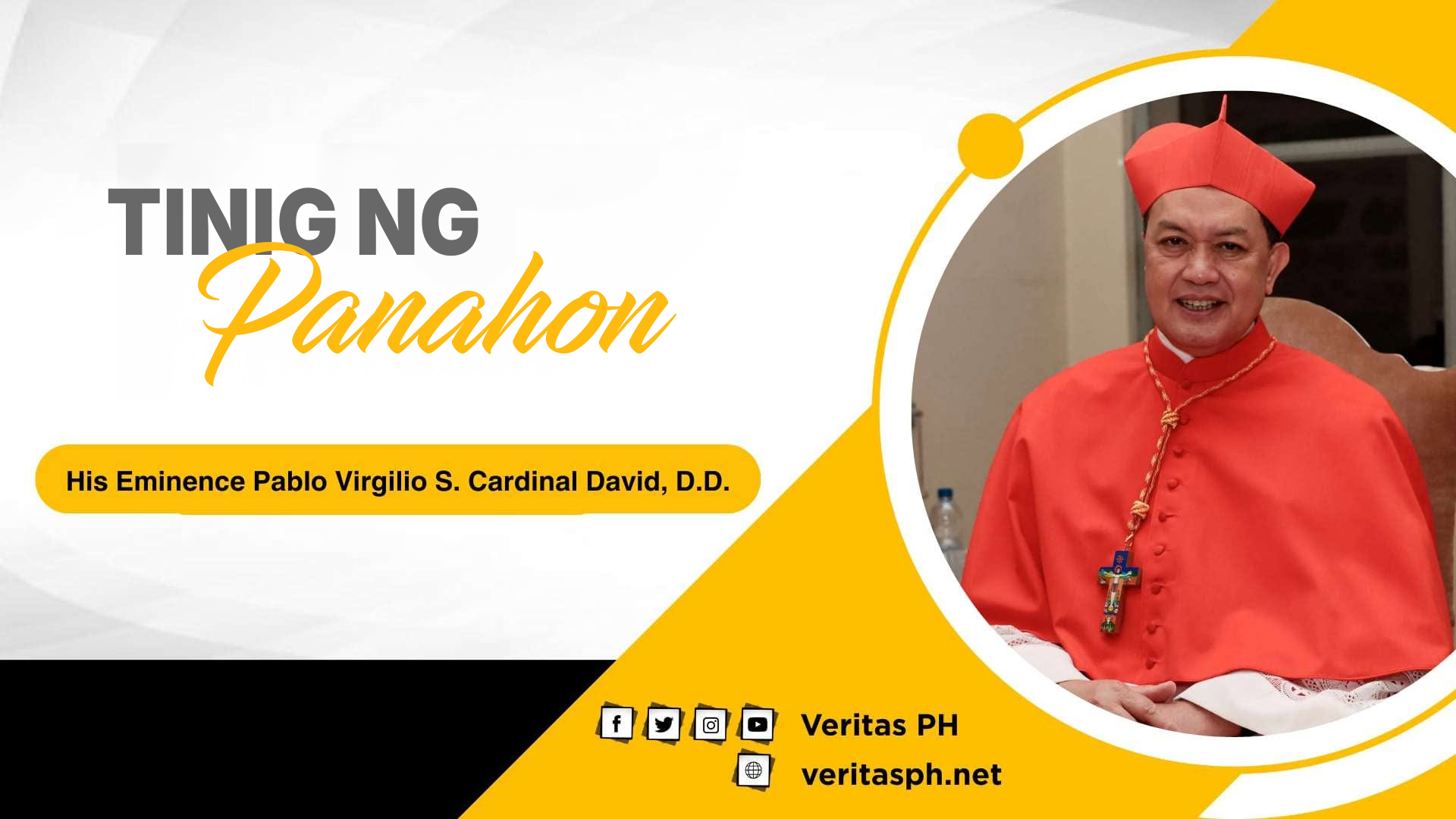
H.E. Pablo Virgilio Cardinal David, D.D.
Thursday, September 24, 2026 8:53 am
1,656 total reads
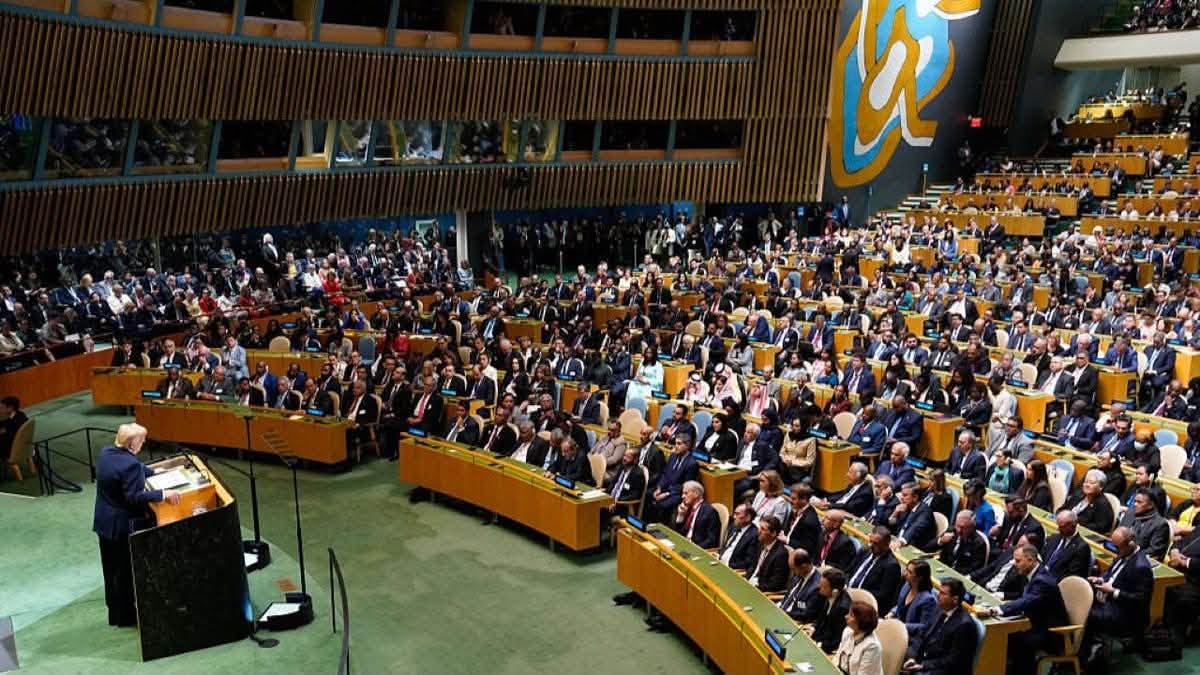
I listened patiently to President Donald Trump’s speech before the UN General Assembly yesterday. One part that particularly disturbed me was his attack on the International Criminal Court (ICC). He called it an anti-American tribunal, declared that the United States would never allow its service members to be investigated by it, and urged all ICC member states to withdraw from the institution.
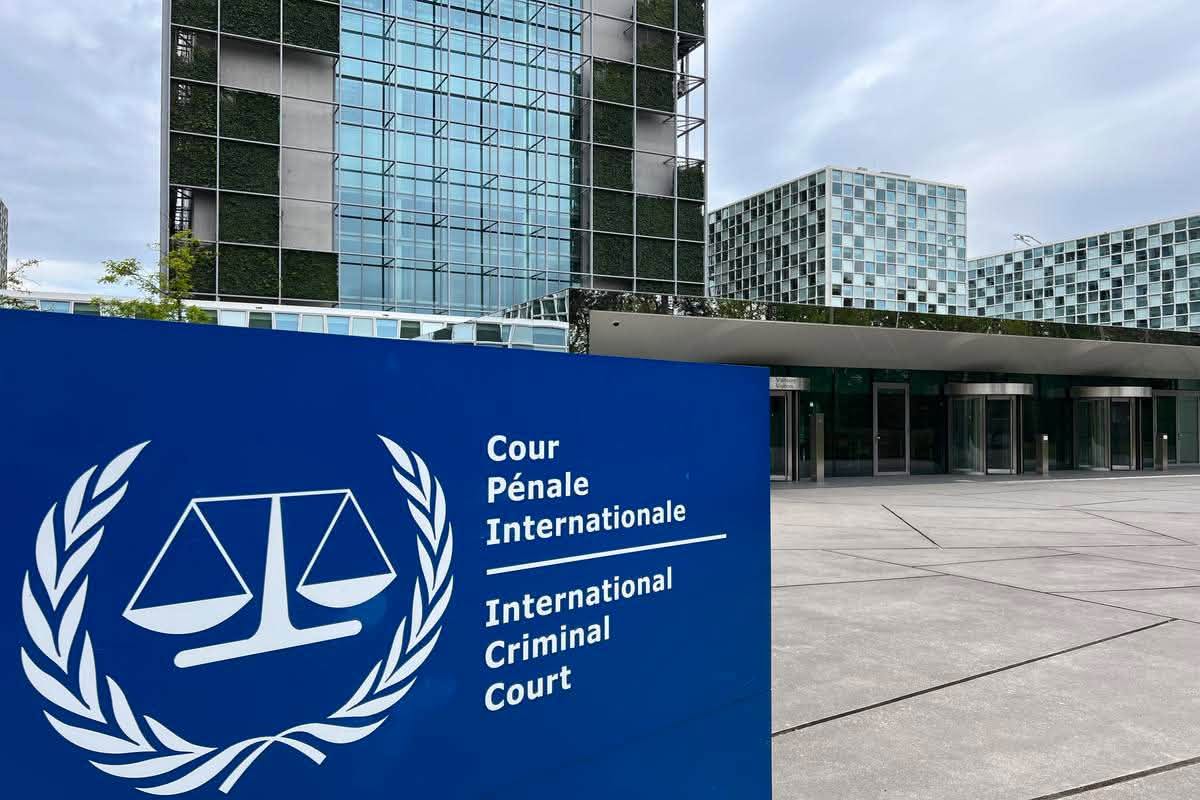
I could not help thinking of the ongoing ICC proceedings involving former Philippine President Rodrigo Roa Duterte.
Whatever our political sympathies, the fundamental question is this: Should any head of state, president, or military commander be beyond accountability for the exercise of power, especially when that power involves decisions over human life and death?
The ICC is not an organ of the United Nations, but an independent international court established under the Rome Statute to prosecute genocide, crimes against humanity, war crimes, and the crime of aggression. Its mandate is to help ensure that even those who wield the highest political and military authority can be held accountable for serious international crimes.
The ICC proceedings against former President Duterte, whose trial is scheduled to begin on November 30, bring this question very close to home. He is entitled to the presumption of innocence and to a fair trial. The same principle of accountability, however, raises questions about the actions of leaders everywhere, including those of the most powerful nations.
There is something deeply ironic about a president addressing the United Nations while urging its member states to abandon an international institution established to address some of the gravest crimes against humanity. It is especially striking when one recalls the central role the United States played in the founding of the United Nations itself.
Trump’s remarks raise a fundamental question about the future of international justice: Can a system of accountability function when powerful states reject the authority of institutions that may scrutinize their own actions?
The question is not whether the ICC is beyond criticism. Like every institution entrusted with the administration of justice, it must itself be accountable, impartial, and faithful to due process.
The deeper question is whether the international community can sustain a system of justice in which the same standards apply to the powerful and the powerless alike.
H.E. Pablo Virgilio Cardinal David, D.D.
Thursday, September 24, 2026 8:51 am
1,655 total reads
Yesterday, I watched President Donald Trump deliver his speech before the United Nations General Assembly. It was rather long, but I listened patiently to the end. In fact, I even took the trouble of transcribing the whole speech so that I could study it more carefully.
With a little help from AI, I did a simple word count. I wanted to know how often he used the first-person pronouns “I” and “we,” the latter referring at times to himself and his administration, and at other times to the American nation. I counted 64 instances of “I” and 101 of “we,” not including other forms such as “my,” “me,” “our,” and “us.”
As I listened, I also had the UN Charter in mind. After all, he was addressing an organization founded precisely to save succeeding generations from the scourge of war, to uphold the sovereign equality of nations, to promote human rights, and to settle international disputes by peaceful means.
With some AI assistance, I tried to examine how the main points of his speech squared with these fundamental principles. I was particularly struck by his repeated assertions of American military supremacy, his threats of annihilation against Iran, and his insistence on America’s right to use its military might to secure its national interests.
But beyond the actual words, it was the tone of the speech that disturbed me most. The repeated self-congratulation, the language of domination, the threats of overwhelming military force, and the apparent confidence that the world’s problems could be settled through the exercise of superior power left me with a deeply unsettling feeling.
I found myself wondering: What happens to the international order when the leader of the world’s most powerful country speaks of peace primarily in the language of power?
The UN was founded on the conviction that might does not make right, that even the most powerful nations must be accountable to international law, and that peace cannot be secured simply by threatening to annihilate one’s enemies.
I finished listening to the speech with a sense of foreboding. Not merely because of what President Trump said, but because of the enormous power at his disposal.
When so much destructive power is concentrated in the hands of one leader, the whole world has reason to be concerned about how that power is exercised.
May God help us preserve the fragile peace of our world.
Rev. Fr. Jerico Habunal
Thursday, September 24, 2026 8:50 am
2,131 total reads
Gospel Reading for September 24, 2026 – Luke 9: 7-9
SO CHARISMATIC
Herod the tetrarch heard about all that was happening, and he was greatly perplexed because some were saying, “John has been raised from the dead”; others were saying, “Elijah has appeared”; still others, “One of the ancient prophets has arisen.” But Herod said, “John I beheaded. Who then is this about whom I hear such things?” And he kept trying to see him.
————
“And he kept trying to see him.”
Was Herod trying to see Jesus because he thought John the Baptist, whom he had beheaded, had been raised in Jesus? Was his conscience bothering him?
Or maybe Jesus was SO CHARISMATIC that, after hearing so much about him, Herod kept wanting to see him. Perhaps, if Herod had become a follower of Jesus, he would have repented for what he did to John and even separated from Herodias, the woman he was living with.
Jesus, being the Son of God, is truly someone extraordinary. As we read the stories about him and reflect on his teachings, we cannot help but be deeply grateful to God for allowing us to know him through his Son—to know who he truly is and who he will always be.
Lord Jesus, may we always have that deep desire to know you well and love you well, so that we may also love others well. Amen.
89,456 total reads Mga Kapanalig, dumarami ang mga Pilipinong overweight at obese. Ayon sa Food and Nutrition Research Institute, 16% ng mga batang edad 5 hanggang
121,601 total reads Mga Kapanalig, sa Ebanghelyo ni San Mateo, matutunghayan natin ang pagtuligsa ni Hesus sa mga tagapagturo ng kautusan at sa mga Pariseo. Mababasa
187,659 total reads Kapanalig, laganap sa ating bayan.. sa ating mga Pilipino, lalu na sa mga lider ng bansa ang ‘culture of superiority’, maging sa loob
203,205 total reads Kapanalig, simpleng lohika lamang ang kailangan ng mga Senador-judges para pagbotohan kung iko-convict o hindi si Vice-President Sara Duterte. Ito ang kasagutan ni
414,455 total reads Paggunita sa Mahal na Birheng Maria tuwing Sabado Tagapagdiwang: Rev. Fr. Jerome Secillano [fb_plugin video href=https://www.facebook.com/100069518821428/videos/640919728176053] [give_form id=”72114″ show_title=”true” show_goal=”false” show_content=”none” display_style=”onpage”]
414,400 total reads Paggunita sa Mahal na Birheng Maria tuwing Sabado Tagapagdiwang: Rev. Fr. Victor Sadaya, CMF [fb_plugin video href=https://www.facebook.com/DZRV846/videos/307434575241976] [give_form id=”72114″ show_title=”true” show_goal=”false” show_content=”none” display_style=”onpage”]
414,383 total reads Paggunita sa Mahal na Birheng Maria tuwing Sabado Tagapagdiwang: Rev. Fr. Joel DL. Rescober, CM [fb_plugin video href=https://www.facebook.com/DZRV846/videos/358163723302254] [give_form id=”72114″ show_title=”true” show_goal=”false” show_content=”none”
414,374 total reads Paggunita sa Mahal na Birheng Maria ng Fatima Tagapagdiwang: Rev. Fr. Joel Camaya, SDB [fb_plugin video href=https://www.facebook.com/DZRV846/videos/660940865819605] [give_form id=”72114″ show_title=”true” show_goal=”false” show_content=”none” display_style=”onpage”]