26,068 total reads
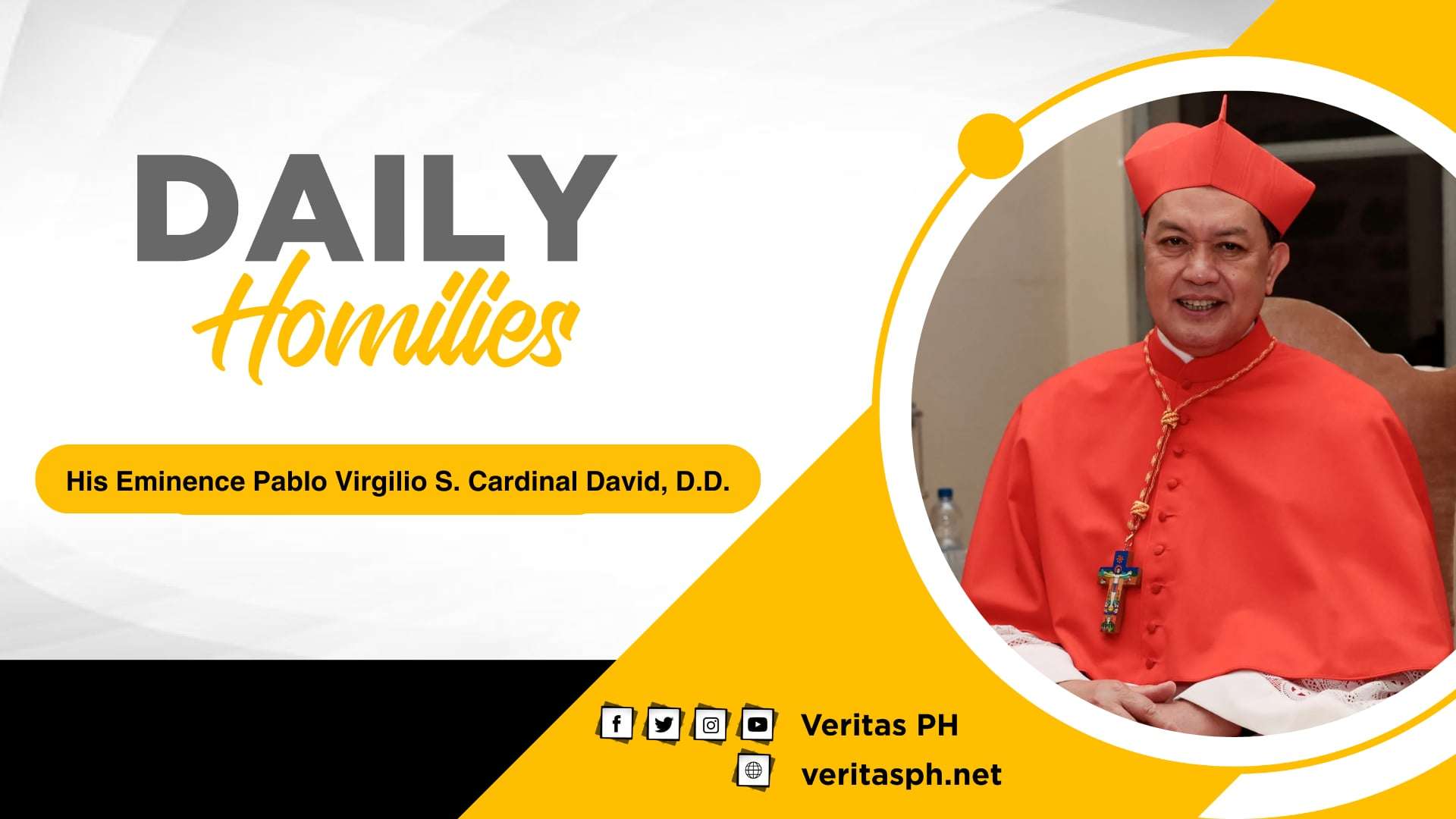
Homily for the Coronation Feast of Our Lady of the Rosary of Manaoag, 19 April 2026 – 3rd Sunday of Easter (Lk 24:13–35)
Dear brothers and sisters in Christ,
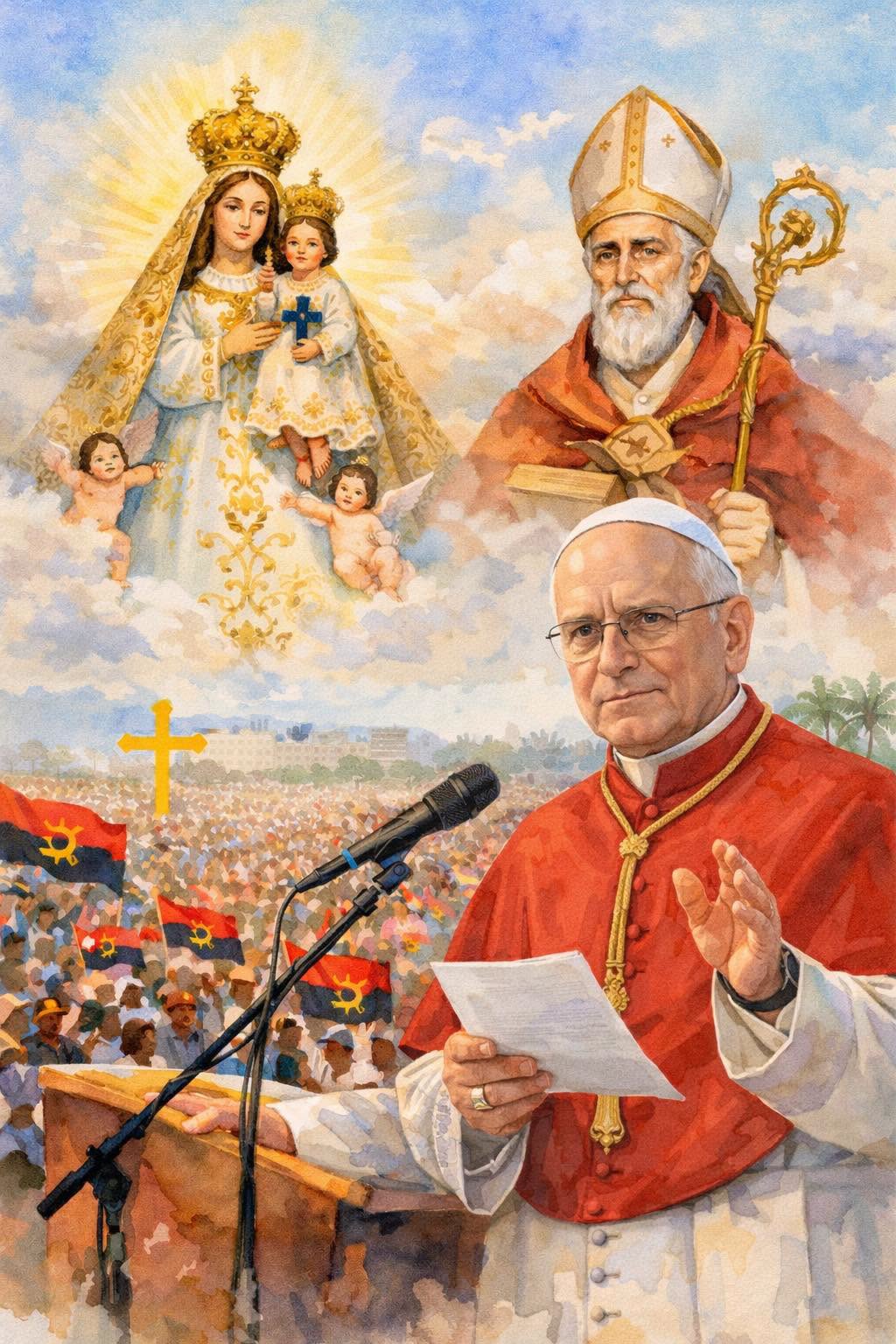
I hope you continue to pray for Pope Leo XIV, who is now halfway through his apostolic visit to four countries in Africa. From Cameroon he proceeded to Angola, and from there to Equatorial Guinea. This is his first apostolic journey outside Europe as Pope. It began in Algeria—the land that gave us Saint Augustine of Hippo, the saint and Doctor of the Church whom Pope Leo regards as his spiritual father.
It is good to be reminded, during this joyful season of Easter, of the words of Saint Augustine:
“We are an Easter people, and our song is Alleluia.” And today, I invite you to reflect with me on what it truly means to be an “Easter people”. It means more than believing that Jesus rose from the dead two thousand years ago. It means believing that his Resurrection is not just his story—it is ours. We are called to celebrate Easter not as mere spectators, but as participants in in the Risen life of Christ.
But what does it mean to share in the Risen life of Christ? Remember, even Martha, who was grieving the death of her brother Lazarus, did not understand what Jesus meant when he said, “Your brother will live.” She said, “Yes, Lord, I know he will live again in the resurrection on the last day.” I am sure we often think the same way when we profess in the Apostles’ Creed, “I believe in the resurrection of the body and life everlasting.” Sa wakas pa ng panahon. Ang tagal pa noon.
Therefore Jesus had to explain to Martha that he was speaking not about the distant future, but about the present. Ngayon mismo.
Ito ang misteryong ipinapaunawa sa atin ng ebanghelyong binasa natin. How do we participate in the Risen life of Christ in the here and now? The answer is through COMMUNION. Isa ito sa tatlong susing salita sa pagiging isang Simbahang sinodal. The other two are PARTICIPATION and MISSION. Magkakaugnay ang tatlo: walang misyon kung walang partisipasyon, at wala ring partisipasyon kung walang komunyon.
Sa Tagalog, mas madalas gamitin ang salitang pakikinabang para tukuyin ang pagtanggap natin sa Katawan ni Kristo sa Eukaristiya. Tama rin naman, dahil totoong nakikinabang tayo sa buhay ni Kristo sa pagtanggap natin sa kanya. But communion is not just about receiving Christ. It is about what happens when we receive him. We receive Christ in Holy Communion not just to make him a part of our life. Sa totoo lang, baligtad. Si San Agustin din ang nagsabi nito—“The Eucharist is not the same as ordinary food, which you digest and transform so that it becomes part of your body. In the Eucharist we receive Christ so that he can transform us and make us a part of his risen life—part of his body, the Church.”
At sa pakikibuklod natin ng puso at diwa kay Kristo, natututo rin tayong makibuklod—hindi lamang sa ating mga kapwa alagad, kundi sa bawat kapwa tao. Kung hindi, baka hindi si Kristo ang tinanggap natin. It is this spiritual bond that makes us more present to one another and empowers us to become instruments of unity, builders of community—with fellow disciples, with fellow human beings, with all creatures in our common home. Walang community kung walang communion, kung hindi tayo matutong makipagkaisa ng puso at diwa kay Kristo. At Walang sinuman sa mga nakikipagkaisa kay Kristo ang nabubuhay para sa sarili lamang.
Walang komunyon na nagaganap sa tinatawag ni Papa Leon na “idolatry of self”—kapag hindi na sa Diyos kundi sa sarili nakatutok ang ating pagsamba. Kapag dahil sa pagkagumon sa kapangyarihan, nawawala ang pakundangan at malasakit sa dangal ng bawat kapwa. Kapag kalaban na ang tingin natin sa bawat taong iba sa atin—iba sa pag-iisip, sa kultura, at sa relihiyon. Kapag ang kadakilaang hinahangad natin ay para sa sariling bansa lang, kahit ipagdusa pa ito ng ng ibang mga bansa. Ito ang ugat ng mga hidwaan na humahantong sa digmaan, katulad ng patuloy na nagaganap hanggang ngayon sa Middle East.
Balikan natin ang kuwento ni San Lukas tungkol sa dalawang alagad. Tumiwalag na sila. Kaya sila naglalakbay patungong Emmaus—tumatakas sila, papalayo sa kanilang mga kapwa alagad na naiwan sa Jerusalem. Ngunit matapos nilang makatagpo ang Panginoong muling nabuhay, nabuhayan sila ng loob. Nawala ang kanilang takot. Bumalik sila sa Jerusalem. Binalikan nila ang komunidad na iniwan nila, matapos mabuksan ang kanilang mga mata at makilala ang Panginoon.
Imagine, they had been walking with him, talking to him, listening to him—but all throughout the journey, they did not recognize him.
Ilang beses na kaya nating nakasama ang Panginoon at hindi natin siya nakilala?
Luke tells us it was when he sat at table with them, took the bread, blessed it, broke it, and gave it to them that they recognized him. He brought them back to that experience in the upper room on the night before he was betrayed when he said: “Take and eat, this is my body.”
Yes, they would later look back and say, “were not our hearts burning in us as he we listened to his words?” I am sure you have also experienced feeling the same when you hear the Word of God or listen to the homily.
But it was only when the disciples received him that they recognized him. At kung kailan naman siya nakilala, noon din siya naglaho. Ano bang misteryo ito? Ang Panginoong muling nabuhay—lumilitaw, nawawala. Nahahaplos, nakakasalo, pero naglalaho. Bakit? Kapag nakabuklod mo siya ng puso at diwa, kahit wala siya, nariyan pa rin siya. Kasi siya at tayo ay nagiging iisa. In the Eucharist, we become what we eat.
We follow Christ, we listen to him, and we receive his body and blood so that we may take part in his resurrected life—already here and now. That is how we grow from disciples to apostles, from followers to witnesses. He disappears because he wants to reappear in us and through us. Our calling is not just to be Christians, but to be Christ—his living presence in the world. Mangyayari lamang ito kung siya at tayo ay maging iisa.
The story of the bread—taken, blessed, broken, and shared—is the story of Jesus. But by giving himself to us, by receiving him and entering into communion with him, his story becomes our story. That is how he empowers us to participate in his life and mission.
This has been the message of Pope Leo XIV in his visits—his invitation to communion, participation, and mission: to live in Christ, to allow Christ to continue his mission to renew the face of the earth, to become instruments of peace and reconciliation in a world torn by distrust, violence, and war.
I have heard testimonies from people who said they did not understand at first what drew them to this Minor Basilica of Our Lady of the Rosary of Manaoag. Para daw silang nabato-balani—drawn as if by an invisible magnet. Kaya pala siya tinawag na Our Lady of the Rosary of Manaoag—she who calls. Tinatawag niya tayo. She draws us to her Son. She reminds us of our calling—to enter into communion with her Son through our participation in the life and mission of the Church.
My prayer for all of you today is this: when you come forward later to receive the Body of Christ, as you enter into communion with him, may you recognize the Risen Lord—and allow him to disappear, so that in you and through you he may reappear and continue his work of redemption.
Amen.