

11,059 total reads
5th Sunday Easter A
Acts 6:1-7
The reading describes the appointment of seven men to serve tables, connecting the Jerusalem church’s early phase with its outward expansion to Samaria and beyond. The chosen men, mostly of Greek background, were prominent in the Hellenistic community. The narrative highlights Stephen and Philip, who play key roles later. The commissioning (v6) emphasizes their subordinate role to the apostles, reflecting an idealized view of early church harmony. The division between Hebrews and Hellenists was partly cultural and linguistic, mainly over the care of poor Hellenist widows. Their designation to serve, while lowering their importance, was practical, with the community selecting candidates. The roles were distinct: the apostles focused on teaching, while the seven supervised charity work, though not necessarily as official deacons. The commissioning resembles rituals of power sharing in Jewish tradition and indicates church growth, including conversions from priestly ranks. Overall, the account shows broadening church ministries, especially toward the Hellenistic world.
1 Pet 2:4-9
The letter vividly describes Christians as ‘living stones’ in the church, with Christ as the cornerstone or head of the household. Christ, the primary “living stone,’ enlivens members through the Spirit and is depicted as the cornerstone in faith, though unbelievers see him as rejected or a stumbling block. Believers, originally Israel, are called a holy (royal) priesthood, offering spiritual sacrifices and embodying God’s chosen, holy nation, separate from paganism. They carry out priestly mediation, proclaiming their ‘exodus’ from darkness to God’s light.
John 14:1-12
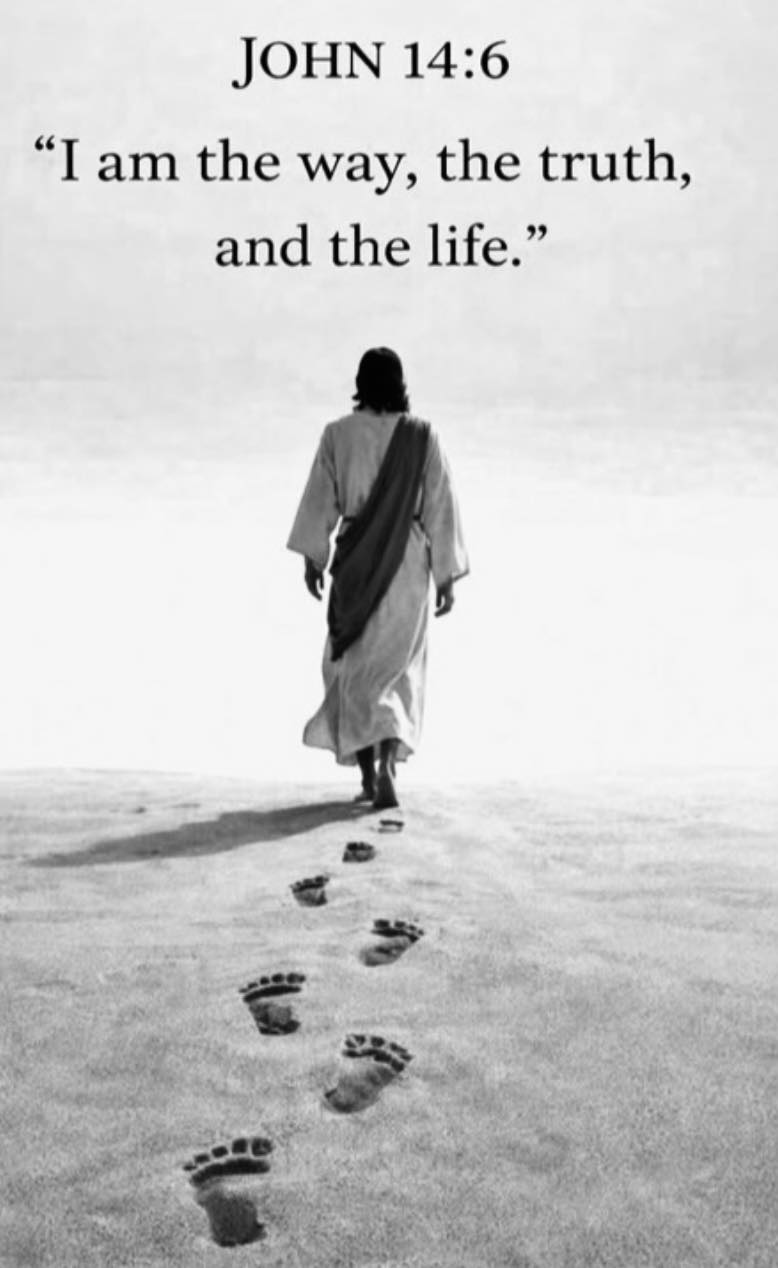
Jesus urges faith in him and God, speaking of his death, resurrection, and return—though not in terms of the traditional idea of the parousia. By this time, the expectation of Christ’s immediate return had lessened; here, the focus is on Christ’s meeting with the disciples at their death. Thomas (v5) and Philip (v8) ask questions based on misunderstanding, prompting Jesus’ faith-level response. Jesus declares, ‘I am the way and the truth and the life,’ meaning himself as God’s revelation. To know Jesus is to know God, embodying God’s mind (1:1). Early Christians called their faith ‘the way’ (Acts 9:2; 18:25, 23). The ‘truth’ and ‘life’ explain the ‘way’; Jesus, as the Spirit of God, makes faith possible and offers eternal life. Jesus is the only way to God and the source of grace and truth (1:17). He emphasizes his relationship with the Father, highlighting their mutual indwelling—seeing Jesus is seeing the Father. This high Christology from the beginning shows Jesus as the Word and embodiment of God (1:1). Faith shouldn’t rely solely on Jesus’ teachings but also on his works, the signs of God’s power (v11). After resurrection and the Spirit’s coming, similar signs will accompany the church’s mission (v12).
Jesus says “I am the way, the truth and the life!” The earliest reference to the Christian life in Acts was simply “the way” (Acts 9:2; 18:25, 23). The “truth” and the “life” meanwhile are not separate concepts; instead, they clarify the meaning of “the way.” God is truth itself, and Jesus is the only one who has captured and revealed that truth (1:17f; 18:37). Faith, then, is focused on God’s self-disclosure—the genuine truth of the Godhead, which is Jesus himself. By being “the way,” Jesus also embodies the Spirit-life of God. It is the Spirit that enables acceptance of Jesus and is the source of eternal life (5:26; 11:25f). Ultimately, faith in the risen Jesus must be active—shown through service like the first deacons—becoming living stones that build up the Church and fully follow Jesus as the way, the truth, and the life. Amen!