


1,154 total reads
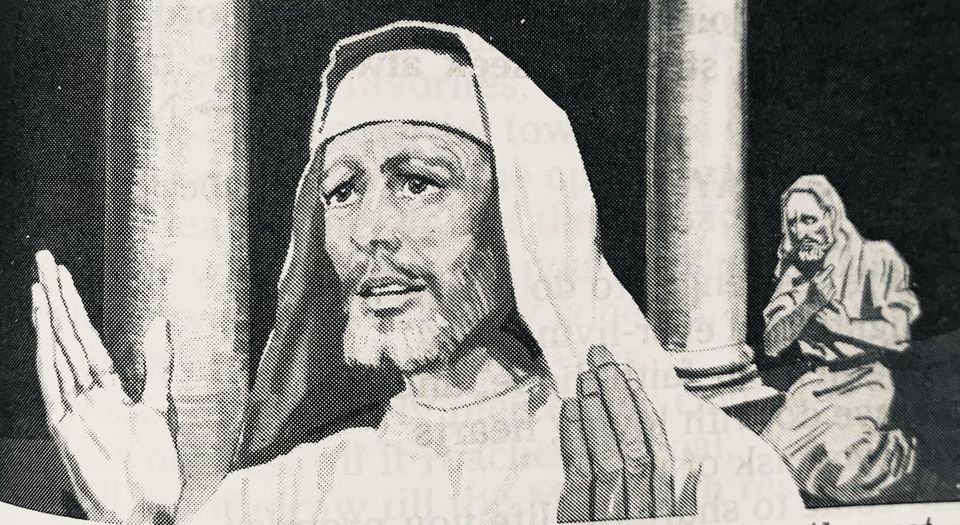
The parable of the Pharisee and the Publican in Luke’s gospel is the second of the two successive parables on prayer. The first (read last Sunday, 18:1-8) teaches about ‘not getting weary’ or perseverance in praying; today’s gospel (vv 9-14) underlines the interior dispositions which must accompany prayer and which are captured in the spirit of the child as outlined in the subsequent narrative, (vv 15-17).
In introducing the parable Jesus has a concrete referent in mind (v9). The word used to describe the attitude of the “some” is pepeithō (πεπεἰθω), a compound verb the root of which (peithō) indicates the predominant sense of “to persuade”. However in some instances, it is translated “to trust”, positively, like trusting in the Lord (Mt 27:43; Gal 5:10; Phil 1:14; Heb 2:13) or negatively like putting trust in one’s wealth, in one’s armor, in the “flesh”, i.e. human nature (Mk 10:24, Lk11:22, Phil 3:3f) or “trust” in oneself. In this context, the “some” in v9 of the gospel refers to those who “trust in themselves or being convinced about themselves that (or possibly because) they were upright and treating the rest (of humanity) with contempt”. Ezq 33:13 used the same term in the Greek translation where the prophet was castigating his contemporaries for “trusting” in their own righteousness.
Everything in the comportment of the Pharisee epitomizes what is meant by being self-righteous, a stance considered a grave obstacle to discipleship and participation in the reign of God (cf 5:32; 15:7). His prayer of “thanksgiving” Is self-serving from beginning to end (vv11f). He compares himself with others in a demeaning fashion; others are “unrighteous”, a statement implying his own righteousness; he proudly parades his works that go beyond what is required, or duty or obligation, like fasting and tithing. On the other hand, the tax collector who belongs to a generally disliked class of people being collaborators of the Roman authorities and commonly linked with extortion and graft (3:12f), is pictured to show his direct access to God arising precisely from the recognition of his sinfulness. His words are few; his demeanor is humble. He asks only for forgiveness, (cf 7:36 -50 where a striking resemblance regarding the contrast between the sinful woman who anointed Jesus’ feet and the critical pharisee).
The concluding exhortations (v14b) make it clear that the parable is addressed not only to Jesus’ contemporaries but to Christian disciples at large. The proper pursuit of uprightness or righteousness in God’s sights cannot be achieved by boasting or even by self-confident activity (either the avoidance of evil or the striving for good in the observance of religious regulations). It is achieved not by one’s own activity but by a contrite recognition of one’s sinfulness before God. In the Lucan theological context, the tax collector had the authentic spirit of the ‘anawim’ with the realization of his utter dependence upon God and his need for forgiveness. While the Pharisee, in being the master of his own fate and exhibiting little need for God was found lacking in righteousness.