481 total views
Homily for Tuesday of the Eleventh Week in Ordinary Time, 14 June 2022, Mt 5:43-48
“Be PERFECT, just as your heavenly Father is perfect.” (Mt 5:48) We have a different version of this line in St. Luke’s Gospel. There it says, “Be MERCIFUL, just as your Father is merciful.” (Lk 6:36) I have a feeling that the original inspiration for this saying in Jesus’ famous sermon is taken from Leviticus 19:2, “Be HOLY, for I the Lord your God am holy.”
There, the writer details what being holy means. It is not about pietistic ritualism or a set of requirements for worship or prayer. Leviticus 19 is the chapter that comes close to what Pope Francis calls “political love”. It speaks about the implications of the ten commandments in the day-to-day lives of the Israelite people. NAMELY, that holiness is about a life of mindfulness, especially for the welfare of the most disadvantaged in society, such as daily wage earners, the very poor who “glean” from the leftovers of a harvest, people with disabilities, resident aliens, and even wrongdoers. And all of it is summarized by the verse, “You shall love your neighbor AS YOURSELF.”
I prefer to understand that line to mean “You shall love your neighbor as your own.” In Tagalog, “Mahalin mo ang iyong kapwa gaya ng iyong sarili—as in sariling magulang, sariling kapatid, sariling buhay.” The idea is, “Ituring ang bawat kapwa-tao na parang HINDI NA IBA SA IYO.”
I think it is what Jesus is trying to point out in the rest of the Gospel. That, if we start treating every fellow human being as our neighbor, meaning, as “hindi na iba sa atin” (not other than us), the whole perspective begins to change. Why? You will learn not to treat anyone anymore as an enemy.
Having been raised in the Jewish faith, Jesus knew what the Scriptures say about human beings as creatures in God’s image and likeness. He knows that Israel was expected to know God precisely to learn to behave like God. Jesus simplifies this thought when he teaches us to be good even to those who are not good to us. Why? Because our God is like that with us.
He says, “He makes his sun rise on the bad and the good, and causes the rain to fall on the just and the unjust.” Meaning, whether people are bad or good, whether they are just or unjust in their behavior, God remains consistent in the way he deals with all of us—namely, like a parent to his children.
A true parent does not love his children only when they are good, or well-behaved, or obedient. Parents may be disappointed or hurt when their children do the opposite of what he expects of them, but he does not stop loving them nevertheless. He may sometimes express what we might call TOUGH LOVE, such as when he disciplines them or allows them to suffer or bear the consequences of the bad things that they inflict on others, but only to bring out the good in them.
St. Luke calls it MERCY, but St. Matthew calls it PERFECTION. The original writer of Leviticus called it HOLINESS. Call it what you want, the point is, we cannot say we have been true to our vocation to be the image and likeness of our loving God, until we have learned to love as God loves us. It is what Jesus proved on the cross.
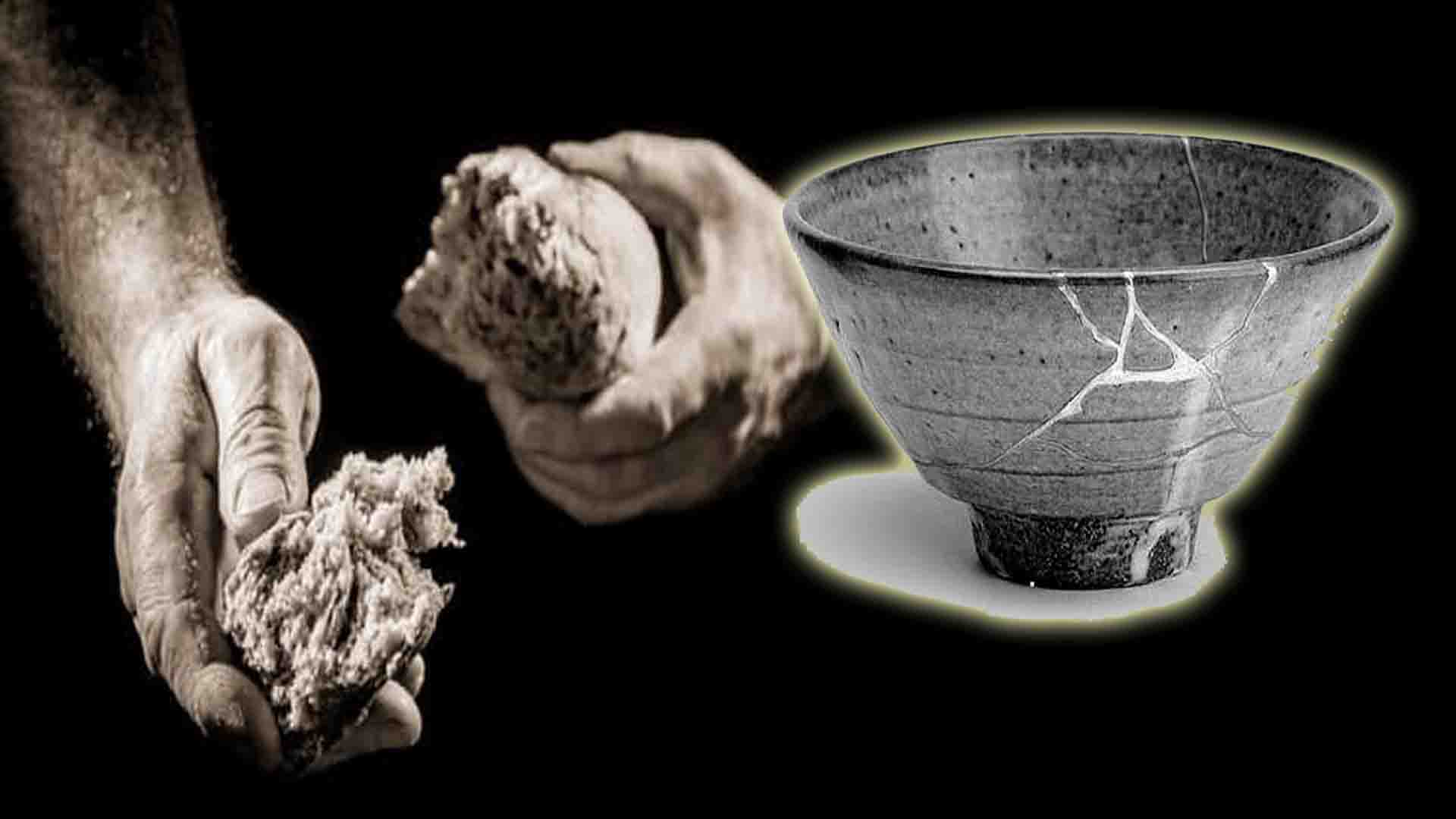
Perhaps that is why I can never get myself to use the Eucharist as a weapon to exclude anybody, even people who behave badly. It is simply not consistent with the kind of God whom Jesus has revealed to us. Like I have often said, the Eucharist has never been meant to be an exclusive meal for the righteous. It is, to quote the Bible scholar Frank Moloney, “A Body Broken for Broken People”—like you and me.