Homily for Thursday of the 14th Week in Ordinary Time
10 July 2025 | Gen 44:18–21, 23–29; 45:1–5 & Mt 10:7–15
There’s one small detail in today’s Gospel that I’d like to focus on. It’s set in the context of the mission-sending of the Twelve whom Jesus had personally chosen from among his disciples to become His “apostles” — meaning, His representatives in villages that He Himself could not visit. He instructs them what they should do if, instead of being welcomed, they were rejected by the towns they visited?
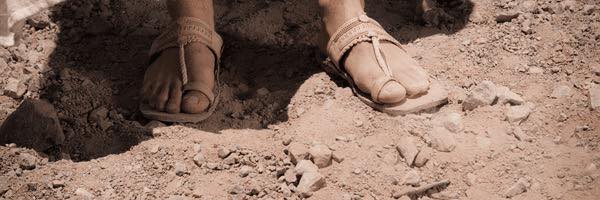
The Lord’s answer is simple — they are to shake the dust from their feet and just move on to the next town. In other words, not to waste time and energy nursing anger and resentment. Bitterness can cling to the heart the way dust clings to the feet.
This same point is like a thread connecting both readings today. In the first reading, you can feel Joseph reliving the painful experience of betrayal by his brothers. The writer tells us that he wept so loudly that he could no longer hold back the truth from them. Take note — he didn’t just cry softly; he wept uncontrollably.
The story of Joseph in Genesis is incredibly dramatic — it could outdo any soap opera on TV. Just think about it: the story of the patriarch Abraham is covered in 8 chapters, Isaac’s in 6 chapters, Jacob’s in 10 — but Joseph’s story gets 13 whole chapters (Genesis 37–50). It’s one of the longest narratives in the Bible!
Like a soap opera — this is the brother who was bullied by his older brothers out of envy, sold to Midianite traders for 20 pieces of silver, and then declared dead to their father, who was told he’d been devoured by a wild animal in the desert.
Yet this brother who was so cruelly treated did not allow his tragic fate to define him. He did not remain a victim. He used his intelligence and resourcefulness and rose to become governor in Egypt. And then the moment came when his childhood dream came true: he once dreamed that his brothers would one day bow down to him. And so it happened — his brothers came to Egypt looking for food during the famine. Joseph now held power, and they were desperate — the stars bowed down to him, indeed.
What an opportunity to get revenge and make his brothers feel the pain he had gone through! But Joseph chose not to remain a victim. He shook off the dust of resentment and said to them: “I am your brother Joseph, whom you sold into slavery in Egypt. But do not be distressed, and do not blame yourselves for selling me here, because it was to save lives that God sent me ahead of you.”
In short, what Joseph drew out of his heart was not the trash of bitterness but the grace of forgiveness.
If you remember, during the height of the drug war — when many Filipinos were convinced that addicts and pushers were a plague that needed to be wiped out — you often heard me say: that is not a humane or Christian response to crime.
There are reasons why some people fall into addiction and sometimes commit crimes. One of our core Christian principles is that God never created anyone inherently evil. Hate the sin and the wrongdoing, but never the sinner. We cannot build a truly humane society on a foundation of resentment and revenge, of doing evil to fight evil, of committing crimes in response to crimes.
You’ve read the latest CBCP pastoral letter about Gaza. In my view, what continues to worsen the situation between Israel and Palestine is the Zionist ideology of their leaders — rooted in the deep wounds of the Jewish memory of the millions murdered by Hitler’s forces during WWII. This historical trauma still hardens the hearts of their leaders to inflict on others the same cruelty their ancestors endured.
But revenge and the harboring of resentment will never be the key to peace. As Jesus said to His apostles — shake off the dust, do not remain victims, do not be enslaved by the painful memories of yesterday. This was actually a core teaching of a Jew raised in Nazareth, who suffered and was crucified. From the cross itself, one of His last words was, “Father, forgive them, for they do not know what they are doing.” Forgiveness is the key that binds together the ties that have been broken and looses what have been bound tangled together. This is the key to peace that we, His disciples, proclaim as the Good News that alone can transform the world.