


4,186 total reads
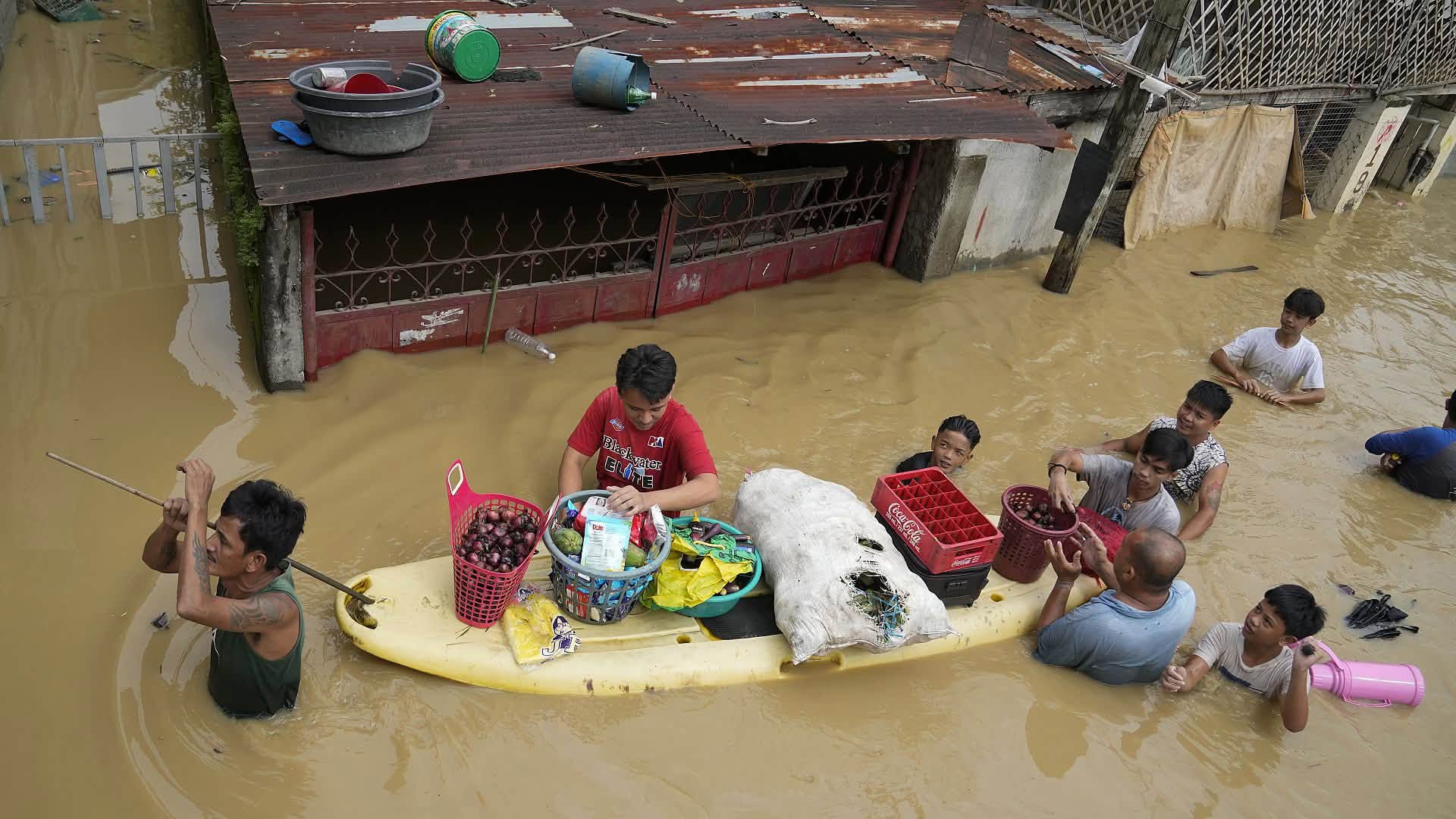
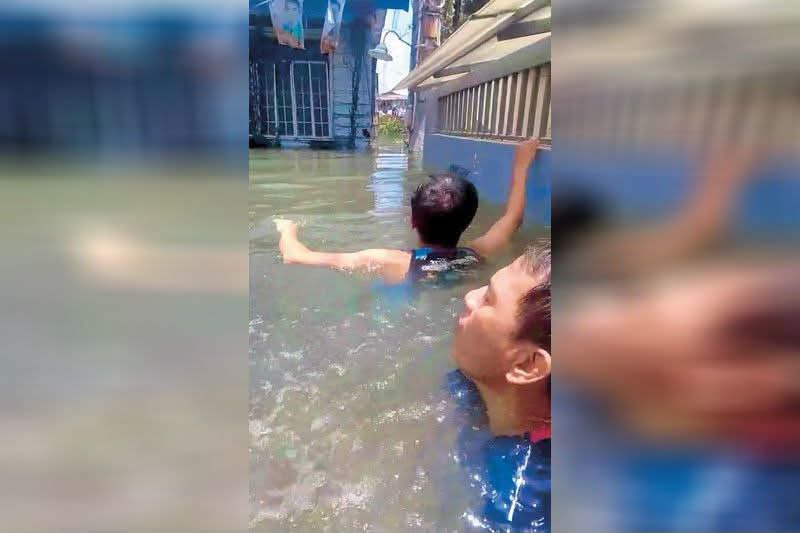
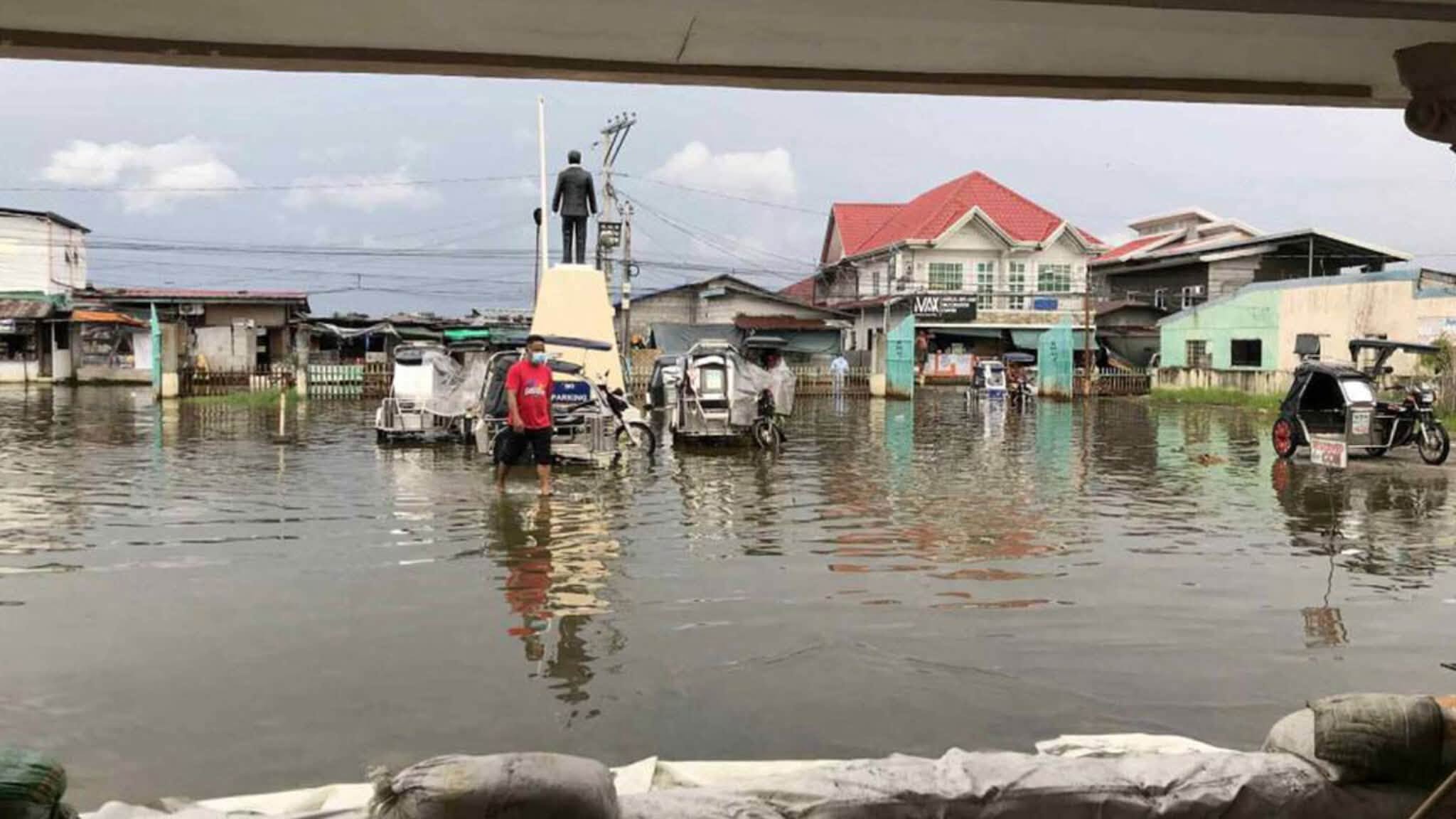
As I write this, large parts of Central Luzon are still struggling with floods.
My own province of Pampanga has been under a state of calamity. On August 24, government reported that 253 barangays in 16 LGUs in Pampanga were flooded, affecting more than one million people. Bulacan has likewise declared a province-wide state of calamity. These are no longer occasional inconveniences that we can simply learn to live with. (Presidential Communications Office)
For years, we have praised Filipinos for our “resilience.” Perhaps what we need now is something more than resilience. We need defiance.
Not defiance against nature, but against the kind of governance that condemns people to suffer the same disasters year after year, distributes ayuda when the waters rise, spends billions supposedly to control floods—and then expects us simply to endure the next one.
Before looking for solutions, however, we have to diagnose the problem correctly.
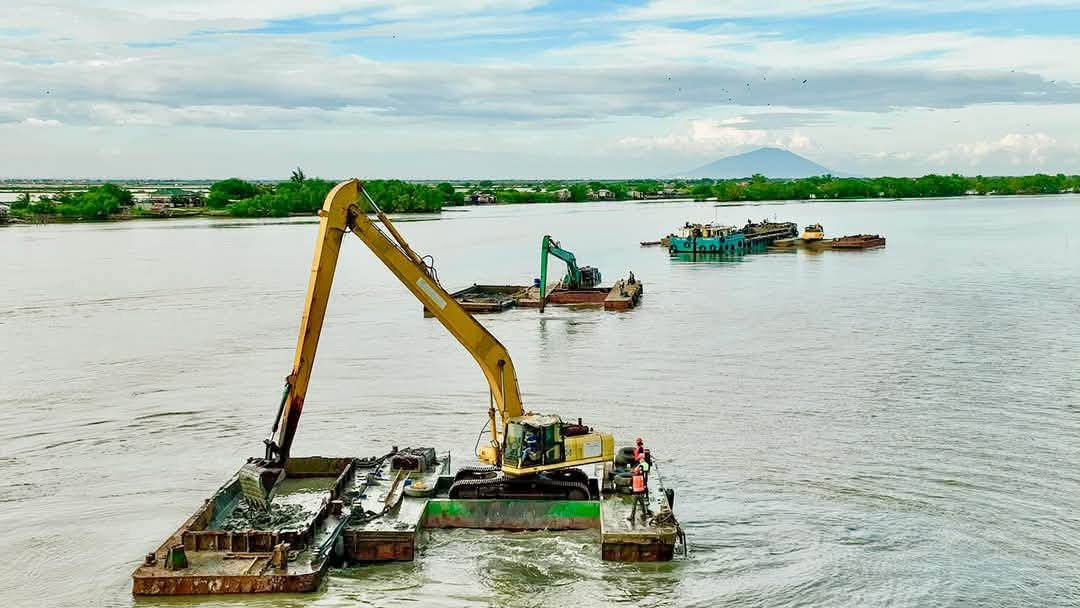
Flooding is first of all an ecological issue. Water follows the laws of nature, not political boundaries. It begins in watersheds and mountains, gathers in tributaries and rivers, passes through farms and increasingly concretized cities, and eventually finds its way to the sea. This is why environmental planners speak of a “ridge-to-reef” approach. What happens to our forests, watersheds, mountains, rivers, floodplains, cities and coastlines is interconnected. Climate change intensifies extreme rainfall. Deforestation and irresponsible mining and quarrying can degrade watersheds. Rapid and poorly planned urbanization covers absorbent land with concrete. Garbage obstructs waterways. Subsidence, siltation and high tides can further impede drainage. We cannot engineer our way out of ecological abuse. DENR itself recognizes that watershed and major-river-basin management requires integrated action from the uplands to the coast. (FASPS)
Flooding is therefore also an engineering issue. Sec. Babes Singson has been insisting on something that should really be common sense: manage water according to river basins, not according to congressional districts, provinces or municipalities. The Philippines has 18 major river basins. A dike here, a pumping station there, a revetment somewhere else, may each be useful—but they do not automatically constitute a flood-control system. Worse, an intervention that accelerates water downstream without providing sufficient receiving capacity can simply transfer the flooding from one community to another.
This river-basin approach is now being echoed by DPWH Secretary Vince Dizon. DPWH says the 18 major river basins have master plans, although these are still being updated. The government has now committed itself to pursuing flood control per major river basin, with upstream interventions and water-retention measures receiving greater attention instead of relying mainly on dikes and revetments. (Presidential Communications Office)
Then, of course, flooding has become a corruption issue. We have already heard enough about ghost projects, substandard construction, questionable contractors and projects that exist beautifully on paper but not on the ground. We must pursue accountability relentlessly. Every peso stolen from flood control is not merely money stolen from government. It can mean homes destroyed, livelihoods lost and lives endangered.
But I am becoming convinced that, underneath all these, flooding is ultimately a political issue.
I do not mean politics in its nobler sense—the art of ordering society toward the common good. I mean patronage politics: the practice of treating public infrastructure as political currency.
Recent revelations about so-called “leadership funds” and “allocables” help us understand the problem. Former DPWH Secretary Manuel Bonoan has testified about a system through which lawmakers could recommend projects against substantial allocations. The controversy has become serious enough that Sec. Dizon has now declared that the proposed 2027 DPWH budget will have no leadership funds, no allocables and no parametric formulas, and that projects must be backed by requirements that include a master plan or feasibility study. (GMA Network)
This is where politics can interfere with engineering.
Suppose science tells us that the priority in a particular river basin is watershed rehabilitation upstream, a retention basin at one point, widening a channel at another, and only afterward a dike downstream. But suppose available funds are divided into political “allocables,” and every politician naturally wants a visible project within his or her constituency. We may end up constructing the dike, the concrete river wall and the pumping station—while neglecting the less visible interventions without which they cannot function as a system.
Every project might even be real. Every contractor might even build according to specifications. And yet the whole flood-control program can still fail because we have funded projects instead of implementing a master plan.
That is the anatomy of the problem.
Ecology tells us how water behaves.
Engineering tells us how to manage it.
Good governance ensures that the structures are honestly and competently built.
But politics decides whether public money will follow the science—or whether science will be forced to follow the money.
There is nothing wrong with legislators and local officials articulating the infrastructure needs of their constituencies. That is part of representation. But local needs must feed into an integrated master plan—not override it. Politicians may help identify the needs of communities; they should not determine the hydraulic architecture of a river basin.
Water does not know where Pampanga ends and Bulacan begins. It does not know congressional districts. It does not recognize political bailiwicks. Nature follows watersheds. Our planning and budgeting must learn to do the same.
So perhaps the question is no longer simply, “Bakit binabaha pa rin tayo pagkatapos gumastos ng bilyon-bilyon sa flood control?”
We should also be asking:
Who decided where those billions went? Were the projects dictated by a scientifically established river-basin master plan—or was the master plan forced to accommodate politically determined projects?
That is where ecology, engineering, corruption and politics finally converge.
And that is why, after decades of merely being praised for our resilience, perhaps it is time for defiance: the civic determination to demand that science prevail over patronage, that planning prevail over padrino, and that public money finally serve the common good.