BIYERNES, HUNYO 30, 2023

SHARE THE TRUTH

 2,738 total reads

Biyernes ng Ika-12 Linggo sa Karaniwang Panahon (I)

o kaya Paggunita sa Mga Unang Martir ng Banal na Sambayanan ng Diyos sa Roma

Genesis 17, 1. 9-10. 15-22
Salmo 127, 1-2. 3. 4-5

S’ya’y laging pagpapalain
kung ang Poon ay susundin.

Mateo 8, 1-4

Friday of the Twelfth Week in Ordinary Time (Green)

or Optional Memorial of The First Martyrs of the Holy Roman Church (Red)

UNANG PAGBASA
Genesis 17, 1. 9-10. 15-22

Pagbasa mula sa aklat ng Genesis

Nang siyamnapu’t siyam na taon na si Abram, napakita sa kanya ang Panginoon at sinabi: “Ako ang Makapangyarihang Diyos. Sumunod ka sa akin at ingatan mong walang dungis ang iyong sarili habang ikaw ay nabubuhay.

“Kayo naman ay dapat maging tapat sa ating tipan, ikaw at ang iyong lahi,” sabi pa ng Diyos kay Abraham. “Ganito ang inyong gagawin: lahat ng lalaki sa inyo ay tutuliin.”

Sinabi pa rin ng Diyos kay Abraham: “Hindi na Sarai ang itatawag mo sa iyong asawa kundi Sara sapagkat siya’y pagpapalain ko: magkakaanak siya at magiging ina ng maraming bansa; may magiging hari sa kanyang mga inapo.”

Nagpatirapang muli si Abraham, ngunit napatawa siya nang kanyang maisip na siya’y matanda na. Nasabi niya sa sarili, magkakaanak ako ngayong ako’y sandaang taon na? At si Sara! Maglilihi pa ba iyon gayong siyamnapung taon na?” At sinabi niya sa Diyos, “Mabuti pang si Ismael na ang inyong kalingain at pahabain ang buhay.”

“Nagkakamali ka Abraham; si Sara ay magkakaanak ng isang lalaki at tatawagin mong Isaac,” wika ng Diyos. “Makikipagtipan ako sa kanya at sa kanyang lahi magpakailanman. Tungkol naman kay Ismael, ipagkakaloob ko ang kahilingan mo: Pagpapalain ko siya at pararamihin ang kanyang lipi. Magkakaank siya ng labindalawang prinsipe, at magiging bansang makapangyarihan ang kanyang angkan. Ngunit hindi sa kanya matutupad ang ating tipan. Matutupad iyon kay Isaac, ang magiging anak ni Sara na isisilang sa darating na taon, sa ganito ring panahon.” Pagkasabi nito, nilisan ng Diyos si Abraham.

Ang Salita ng Diyos.

SALMONG TUGUNAN
Salmo 127, 1-2. 3. 4-5

S’ya’y laging pagpapalain
kung ang Poon ay susundin.

Mapalad ang bawat tao na sa Diyos ay may takot,
ang maalab na adhika’y sumunod sa kanyang utos.
Hindi siya magkukulang sa anumang kailangan,
ang buhay ay maligaya’t uunlad ang kanyang buhay.

S’ya’y laging pagpapalain
kung ang Poon ay susundin.

Sa tahanan, ang asawa’y parang ubas na mabunga.
Bagong tanim na olibo sa may dulang ang anak n’ya.

S’ya’y laging pagpapalain
kung ang Poon ay susundin.

Ang sinuman kung ang Diyos buong pusong susundin,
buhay niya ay uunlad at laging pagpapalain.
Mula sa Sion, pagpapala nawa ng Diyos ay tanggapin,
at makita habang buhay, pag-unlad ng Jerusalem.

S’ya’y laging pagpapalain
kung ang Poon ay susundin.

ALELUYA
Mateo 8, 17

Aleluya! Aleluya!
Inako ni Hesukristo
ang sakit ng mga tao
upang matubos n’ya tayo!
Aleluya! Aleluya!

MABUTING BALITA
Mateo 8, 1-4

Ang Mabuting Balita ng Panginoon ayon kay San Mateo

Nang makababa si Hesus mula sa bundok, sinundan siya ng napakaraming tao. Lumapit sa kanya ang isang ketongin at lumuhod sa harapan niya. “Ginoo,” ang wika niya, “kung ibig po ninyo, ako’y inyong mapagagaling.” Hinipo siya ni Hesus at sinabi, “Ibig ko, gumaling ka.” At pagdaka’y nawala ang kanyang ketong. “Huwag mo itong sasabihin kaninuman,” bilin ni Hesus. “Pumunta ka’t pasuri sa saserdote. Pagkatapos, maghandog ka ng haing iniuutos ni Moises, bilang patotoo sa mga tao na magaling ka na.”

Ang Mabuting Balita ng Panginoon.

PANALANGIN NG BAYAN
Ika-12 Linggo sa Karaniwang Panahon
Biyernes

Tulad ng ketongin sa Ebanghelyo na humingi ng saklolo para gumaling, lumalapit tayo ngayon nang may pananalig sa ating Amang nasa Langit upang bibigyang-pansin niya ang ating mga panalangin.

Panginoon, dinggin mo ang aming panalangin.
o kaya
Panginoon, pagalingin mo kami ng iyong biyaya.

Ang Simbahan nawa’y hindi magkulang sa kanyang pagtanggap sa mga isinasantabi at nakakaligtaan ng lipunan, manalangin tayo sa Panginoon.

Ang mga nagsasaliksik sa paggagamot nawa’y gabayan ng Panginoon upang makatuklas sila ng angkop na gamot sa mga sakit na hindi pa nalulunasan, manalangin tayo sa Panginoon.

Ang ating komunidad nawa’y tumulong nang may pag-ibig at kalinga sa mga taong nakakaligtaan ng lipunan, manalangin tayo sa Panginoon.

Ang mga maysakit, mga nagdarahop, at mga nalulumbay nawa’y tumanggap ng pag-alalay mula sa kanilang mga kapatid na Kristiyano, manalangin tayo sa Panginoon.

Ang mga yumaong nananalig kay Kristo nawa’y tanggapin sa paghahari ng Panginoon, manalangin tayo sa Panginoon.

Ama naming Diyos, pinalalakas kami sa aming pananalangin ng iyong mga handog na kagalingan at kapayapaan. Hinihiling namin ito sa pamamagitan ni Kristong aming Panginoon. Amen.

BAYAN KO

 1,688 total reads

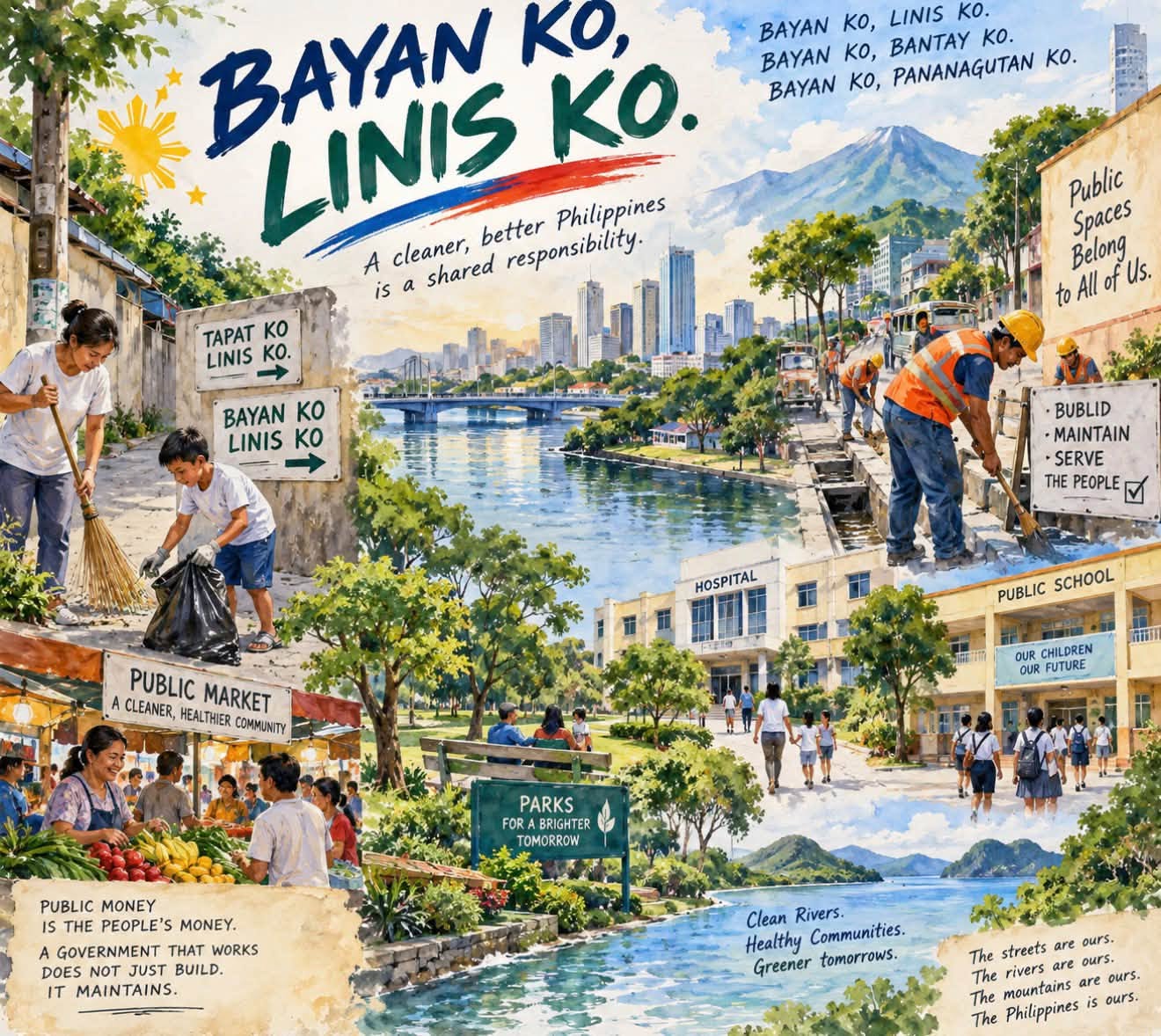
I used to be bothered by the slogan TAPAT KO, LINIS KO. It sounded almost unpatriotic to me. As though my responsibility ended at the few square meters directly in front of my house. As though the street beyond it, the canal at the corner, the public market, the plaza, the park, the estero, the river, the mountain and the forest belonged to somebody else.

I would rather say: BAYAN KO, LINIS KO.

Perhaps this is one reason we have learned to tolerate a government that does not work as it should. We have become accustomed to taking care of our private spaces while regarding public spaces as nobody’s responsibility. We keep our homes clean while throwing garbage into canals. We complain when the streets flood, but hardly ask whether the drainage system is regularly cleared, whether waterways are properly maintained, or whether flood-control projects actually form part of a coherent plan.

And this goes far beyond cleanliness.

Why do we accept highways built without adequate drainage, roads that flood almost as soon as the rains come, and farm-to-market roads that somehow need repair even before they are properly finished? Why do we tolerate government buildings constructed grandly for ribbon-cuttings but left to deteriorate afterward—broken toilets, dead escalators, leaking roofs, neglected gardens, air-conditioning units exhausting hot air into crowded corridors?

A government that works does not merely build. It maintains.

Maintenance is not glamorous. There is no ribbon to cut when a drainage canal is routinely cleared, when a public toilet is kept clean and functional, when an elevator is repaired before it breaks down completely, when a road is resurfaced at the proper time, when waterways are regularly dredged, or when trees are cared for after they have been planted. Yet these ordinary, unphotogenic tasks are precisely what distinguish functioning public institutions from a culture of pwede na and bahala na.

The same mentality explains why politicians are able to put their names and faces on projects paid for with public money: PROJECT OF CONGRESSMAN SO-AND-SO.

Really? Did he sell his house to build it? Did he empty his bank account? Or was it paid for by the market vendor every time she bought rice, by the teacher whose taxes were withheld from her salary, by the tricycle driver every time he bought fuel?

A road is not a favor. A hospital is not a favor. A school is not a favor. Medicine from a government hospital is not ayuda from a politician. Public money is the people’s money. Public service is not an act of generosity by those in power. It is their duty.

But citizenship also has duties.

We cannot demand a government that works while surrendering the public realm to apathy. We cannot complain about dirty streets while saying, “Hindi ko naman tapat iyan.” We cannot deplore corruption but continue treating politicians as patrons from whom we ask personal favors. We cannot demand accountability only when the consequences finally reach our own homes.

Democracy does not end with choosing our leaders. We also have to watch them, question them, hold them accountable—and care for the common spaces and institutions that belong to all of us.

In that sense, we do get the kind of leadership and governance that we are willing to tolerate. Bad governance thrives not only because there are corrupt officials, but also because there are citizens who have grown accustomed to shrugging their shoulders and saying, Ganyan talaga.

No. It does not have to be ganyan talaga.

Perhaps it is time to enlarge the little territory covered by TAPAT KO, LINIS KO.

The street is ours. The drainage system is ours. The public school and hospital are ours. The rivers and forests and mountains are ours. The taxes are ours. The government itself is ours.

BAYAN KO, LINIS KO.
BAYAN KO, BANTAY KO.
BAYAN KO, PANANAGUTAN KO.

BIG FISH: CAUGHT IN THE FLOOD

 1,693 total reads

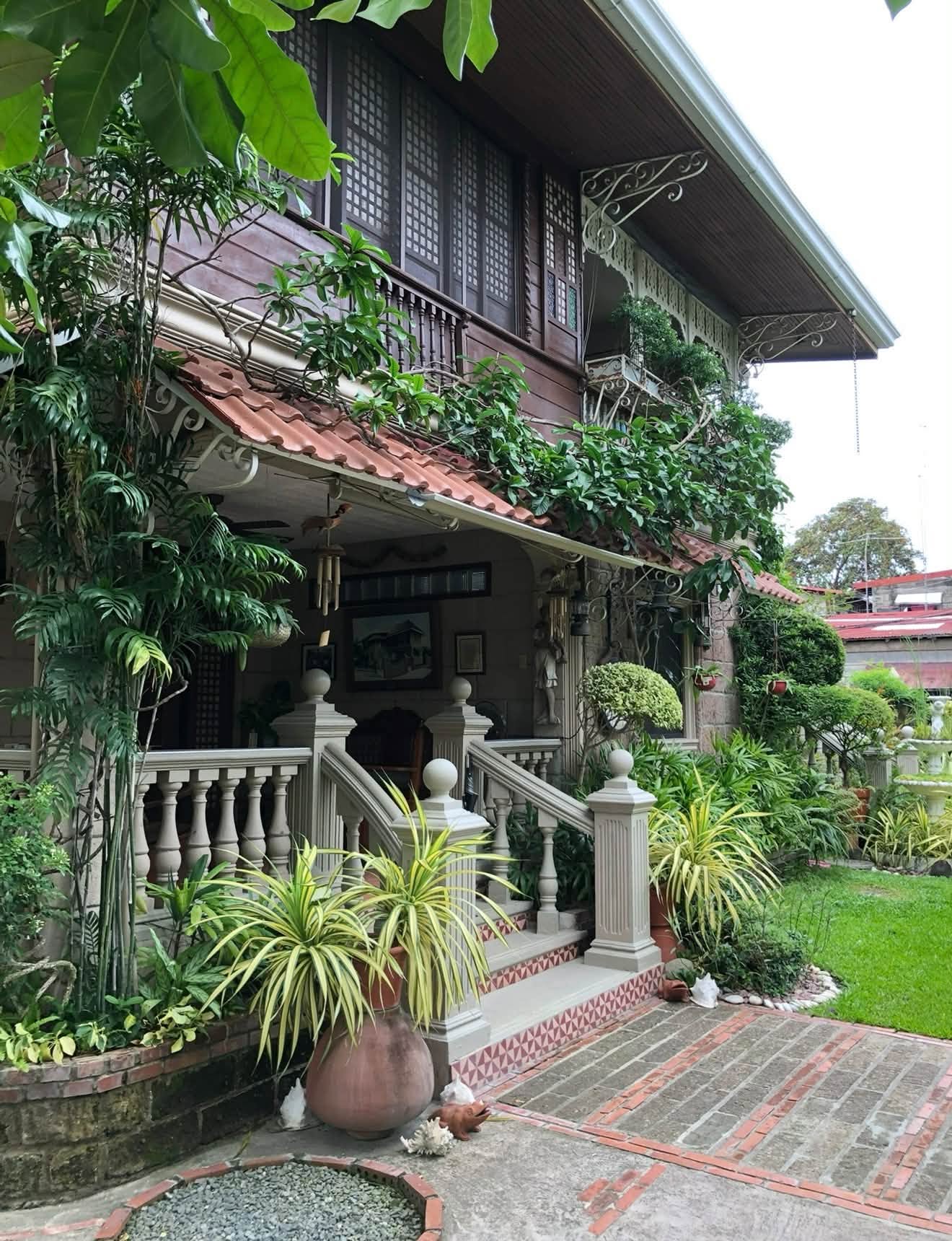
Our ancestral home in Betis survived Pinatubo and the lahar. We saved the old house by hydraulically raising its original wooden upper floor by almost twelve feet and supporting it on concrete posts. We then rebuilt the ground floor, determined that floodwaters would never reach it again.

The street itself had already been elevated by almost four feet, so we filled up the garden by about five feet and raised the new ground floor by another four.

We thought that should be high enough. Apparently, it wasn’t. The flood water rose up to five feet and turned our garden into a huge fishpond. This time it reached even the elevated first floor—atrium, kitchen, dining room, bedrooms, etc.

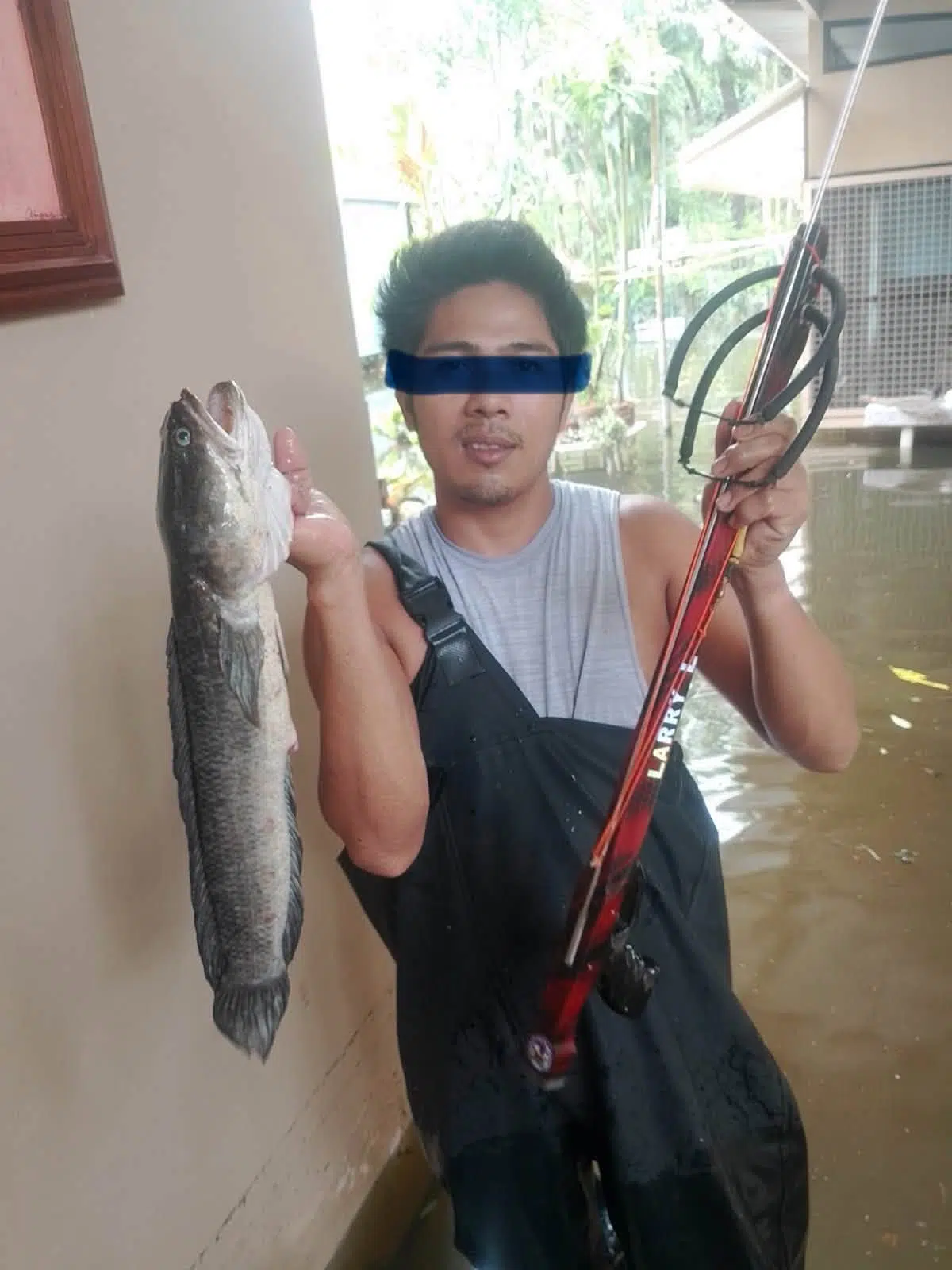
Our house caretaker, Jason, tried to make light of the situation. He sent pictures of tiny tilapias he had caught swimming in the flooded garden. We laughed at his “catch”—baby tilapias!—and jokingly wondered whether fish that small already knew how to swim.

Then the other day Jason sent another photograph, this time proudly displaying his latest catch: a big fish—a “bulig,” as we Kapampangans call the “dalag” or mudfish.

I found myself thinking: At last, may nahuling “malaking isda” sa baha. If only we could say the same about the other kind of flood.

I still remember the 2024 SONA, when the President proudly announced that more than 5,500 flood-control projects had already been completed. Just days later, the southwest monsoon intensified by Typhoon Carina submerged large parts of Metro Manila. It was perhaps the first warning of a serious disconnect between the projects reported on paper and the reality on the ground.
By the 2025 SONA, the tone had changed completely. No more boasting. This time, there was anger: “Mahiya naman kayo sa inyong kapwa Pilipino!”—“Have some shame before your fellow Filipinos!” Thunderous applause. Standing ovation. The legislators themselves rose to applaud!!!

Then came the investigations—and a different kind of flood, what Jessica Soho aptly called “PAGBAHA NG KASAKIMAN”—A FLOOD OF GREED.

In August 2025, the President himself released the results of a preliminary review: 9,855 flood-control projects worth about ₱545.6 billion from July 2022 to May 2025. Out of 2,409 contractors, just 15 companies had obtained about ₱100 billion worth of contracts—roughly 20% of the total.

Then came an unusual twist. Malacañang launched the Sumbong sa Pangulo website, where ordinary citizens could look up flood-control projects in their communities and report those that were unfinished, defective—or simply nonexistent.

And the revelations came one after another: alleged ghost projects in Bulacan and elsewhere; testimonies about “SOP,” percentages and mock bidding; photographs of huge piles of ₱1,000 bills; allegations about how commissions were prorated. The trail led from contractors to district engineers, to higher DPWH officials—and eventually to the very process by which projects found their way into the national budget.

For this was not just about stealing from projects after they had been awarded. The deeper problem was a system that had made public infrastructure vulnerable to political patronage from the budgeting stage itself—through so-called “allocables,” patronage-based priority projects, controversial bicam insertions and “parking,” and huge Unprogrammed Appropriations.

Flood-control projects could become political currency. Instead of beginning with the question, What does this watershed or river basin actually need?, the process could be distorted by another question: Who has an allocation, where will it be placed, who gets the contract, and who gets a share?

When politics dictates engineering, the question ceases to be “Where does the water flow?” It becomes “Where does the money flow?”

No wonder public anger spilled into the streets, culminating in the Trillion Peso March. It is difficult to forget the images of money piled high on tables while ordinary families were shoveling mud out of their flooded homes.

That is why the latest developments do matter. I hear that some powerful figures have been charged with plunder over the alleged multibillion-peso kickback scheme involving government projects. The Sandiganbayan has found probable cause and ordered their arrest. Of course, a charge is not a conviction. Those charged remain entitled to due process and the presumption of innocence.

But let us hope that this time, those truly responsible for the plunder of public funds—no matter how powerful or well-connected—will finally be held to account. We cannot allow this to end with hearings, exposés and headlines. There must be accountability before the law.

I admit I was not at all optimistic that the investigations would eventually lead to the prosecution—and, where the evidence warrants it, the conviction—not only of the small fry but of some of the so-called “big fish” as well. I hope I am proven wrong.

Because even now, communities where billions have supposedly been spent on flood control continue to go under water. Perhaps this is what happens when projects are determined by political boundaries and allocations rather than watersheds, river basins, sound engineering and the actual behavior of water.

Let the evidence lead wherever it must. No sacred cows. No selective justice. And let those proven guilty be held accountable according to law.

Jason managed to catch his big fish in our flooded garden. Let us hope our justice system can do a little better than Jason and catch the bigger ones.

Public money is people’s money. And when money meant to protect people from floods is stolen, it is not just money that disappears. Homes, livelihoods, futures—and sometimes lives themselves—are swept away.

Embracing our vulnerability

 1,928 total reads

Lord My Chef Daily Recipe for Soul by Fr. Nicanor F. Lalog II
Tuesday, Twenty-third Week in Ordinary Time, Year II
Feast of the Nativity of the Blessed Virgin Mary, 08 September 2026
Romans 8:28-30     ><}}}}*> + ><}}}}*> + ><}}}}*>     Matthew 1:18-23
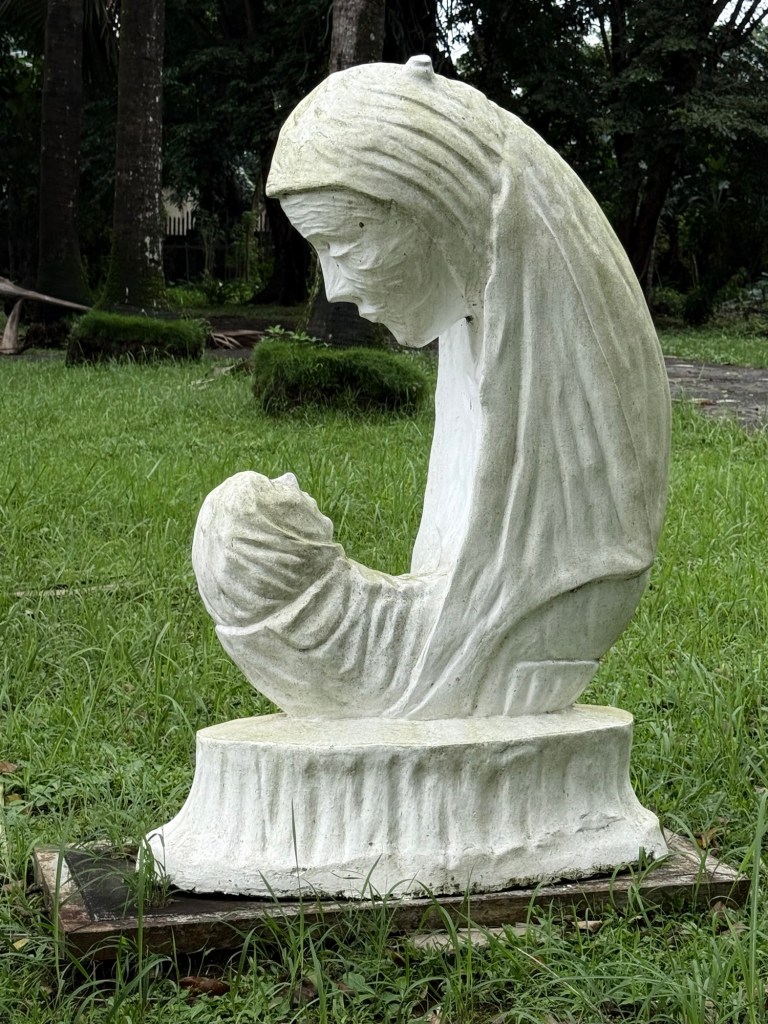
Photo by author, St. Paul Spiritual & Renewal Center, Bgy. Tanyawak, Alfonso, Cavite, 19 August 2026.
It is the Feast of the Nativity
of the Blessed Virgin Mary but
your words, O Lord Jesus,
spoke more about St. Joseph
your foster father.

Now this is how the birth of Jesus Christ came about. When his mother Mary was betrothed to Joseph, but before they lived together, she was found with child through the Holy Spirit. Joseph her husband, since he was a righteous man, yet unwilling to expose her to shame, decided to divorce her quietly. Such was his intention when, behold, the angel of the Lord appeared to him in a dream…. (Matthew 1:18-20).

Thank you, 
dear Jesus for being
like us,
for coming like us
in all of our human
vulnerabilities:
birth is always a grace
from the Father
lest we forget;
in your coming to us,
Jesus, you have showed
how Mary and Joseph
faced not only their toughest
tests but most of all
their vulnerabilities
they gladly embraced 
that you finally came 
among us!
Mary humbly submitted
to being your Mother,
entrusting everything to God
who sent an angel to explain
everything to Joseph so
Christmas would happen;
how amazing that Mary's
pregnancy was revealed
to Joseph while he was asleep,
when he was most vulnerable,
without full control;
Mary on the other hand
submitted her full control
to God when your birth was 
announced -
what a beautiful lesson for us
to remember on her birthday
on the need for us to embrace
our vulnerabilities
because as St. Paul assured us,
"We know that all things work 
for good for those who love God, 
who are called according 
to his purpose" 
(Romans 8:28).
O blessed Mother Mary,
pray for us to be more
trusting in your Son Jesus,
submitting ourselves wholly
to his will by embracing
our vulnerabilities,
becoming fully human
and blessed to share
Christ like you and Joseph.
Amen.

Veritas Editorial

Picture of Rev. Fr. Anton CT Pascual

Rev. Fr. Anton CT Pascual

Perwisyo sa NLEx

 17,774 total reads

 17,774 total reads Mga Kapanalig, napagsabihan na ba kayo nito: “kung ayaw mong ma-traffic, umalis ka nang maaga.” Pero paano kung umalis ka nga nang maaga,

Read More »

Pagod na pagod

 54,275 total reads

 54,275 total reads Mga Kapanalig, pagod na pagod na raw si Senador Juan Miguel Zubiri sa sobrang siksik na schedule niya tuwing pumapasok sa Mataas na

Read More »

Kahirapan sa bansa

 274,895 total reads

 274,895 total reads Mga Kapanalig, tinatayang anim na milyong Pilipino ang nakaahon na sa kahirapan.  Ayon iyan sa Philippine Statistics Authority (o PSA). Bumagsak sa 9.7%

Read More »

Inhustisya sa gitna ng krisis sa klima

 309,564 total reads

 309,564 total reads Mga Kapanalig, nakikiramay tayo sa mga taga-Nepal Matapos ang isang nakapanlulumong trahedyang nangyari doon. Noong nakaraang linggo, magkasunod na flash floods at mudslides

Read More »

Bayan, hindi bayad

 324,410 total reads

 324,410 total reads Mga Kapanalig, ngayon ay National Heroes Day o Araw ng mga Bayani.  Sa araw na ito, kasama sa mga bayaning ginugunita natin ay

Read More »

Watch Live

RELATED TOPICS

Biyernes, Setyembre 11, 2026

 2 total reads

 2 total reads Biyernes ng Ika-23 Linggo sa Karaniwang Panahon (II) 1 Corinto 9, 16-19. 22b-27 Salmo 83, 3. 4. 5-6. 12 Ang templo mo’y aking

Read More »

Huwebes, Setyembre 10, 2026

 1,238 total reads

 1,238 total reads Huwebes ng Ika-23 Linggo sa Karaniwang Panahon (II) 1 Corinto 8, 1b-7. 11-13 Salmo 138, 1-3. 13-14ab. 23-24 Poon, ako ay samahan sa

Read More »

Miyerkules, Setyembre 9, 2026

 2,364 total reads

 2,364 total reads Miyerkules ng Ika-23 Linggo sa Karaniwang Panahon (II) 1 Corinto 7, 25-31 Salmo 44, 11-12. 14-15. 16-17 O kab’yak ng hari namin, ang

Read More »

Martes, Setyembre 8, 2026

 3,903 total reads

 3,903 total reads Kapistahan ng Pagsilang ng Mahal na Birheng Maria Mikas 5, 1-4a o kaya Roma 8, 28-30 Salmo 12, 6ab. 6kd Ang lubos kong kasiyahan

Read More »

Lunes, Setyembre 7, 2026

 3,762 total reads

 3,762 total reads Lunes ng Ika-23 Linggo sa Karaniwang Panahon (II) 1 Corinto 5, 1-8 Salmo 5, 5-6. 7. 12 Poon, ako’y pangunahan nang landas mo’y

Read More »

SUPPORT OUR MISSION

BECOME A KAPANALIG MEMBER AND EUCHARISTIC ADVOCATE!

CATHOLINK

THE PHILIPPINES CATHOLIC CHURCH ONLINE DIRECTORIES

Scroll to Top