


851 total reads
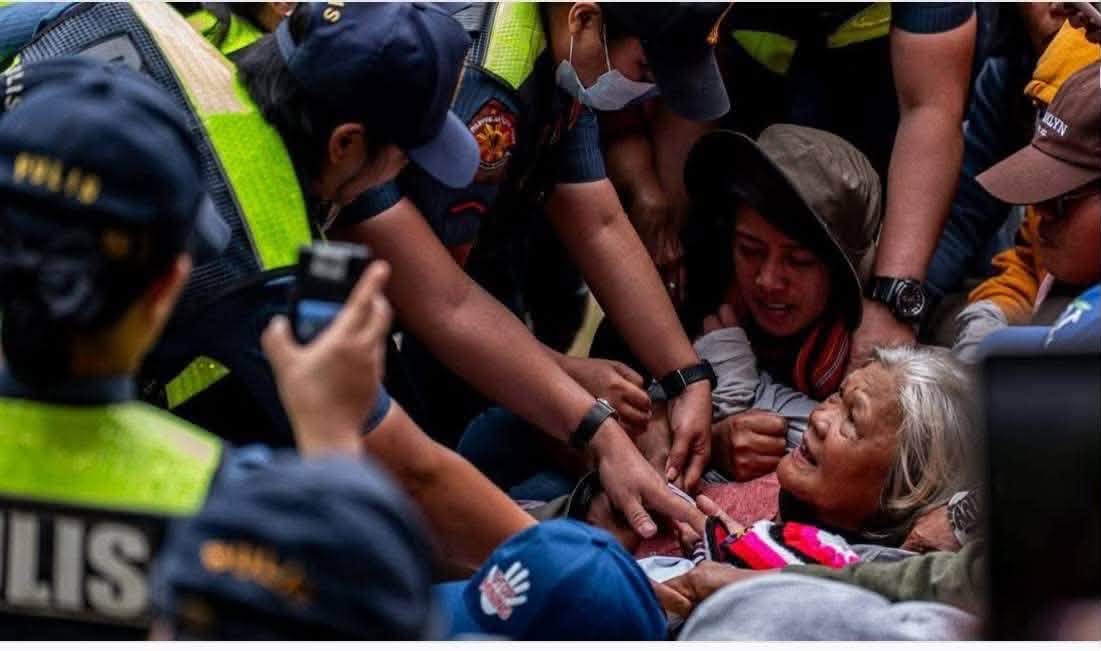
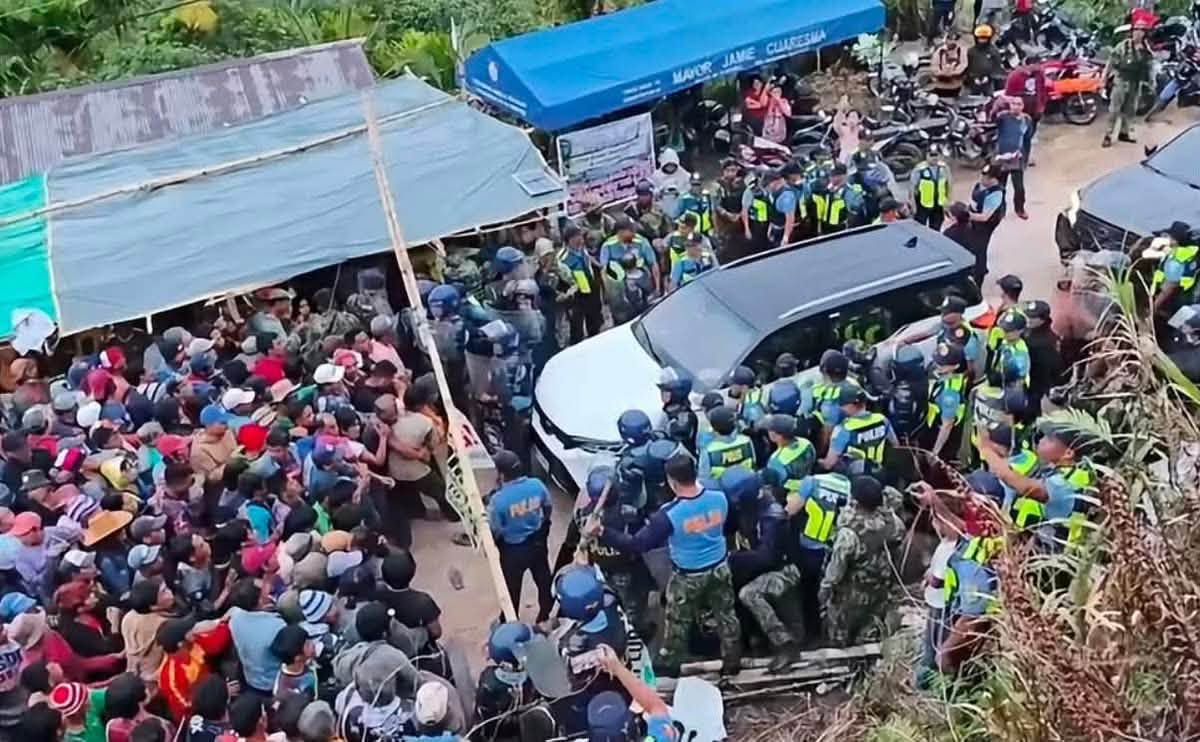
I find these images from Dupax del Norte, Nueva Vizcaya deeply disturbing. These are citizens protesting mining activities which they fear will adversely affect their mountains, watersheds, rivers, farms and sources of livelihood. Whatever one’s position on mining may be, their concerns deserve to be heard—not silenced through intimidation or overwhelming police force.
Our Constitution is very clear. Article III, Section 4 guarantees “the right of the people peaceably to assemble and petition the Government for redress of grievances.”
Batas Pambansa 880, the Public Assembly Act, is equally clear. It says that the right to peaceful assembly is “essential and vital” to the State; that law-enforcement agencies should not interfere with a peaceful public assembly; and that the police must exercise “maximum tolerance”—the highest degree of restraint in dealing with protesters.
I understand that the police in this particular incident were enforcing a court injunction obtained by the mining company. We must respect lawful court orders. But a court order does not suspend the Constitution, nor does it relieve law-enforcement officers of their duty to exercise maximum tolerance and to respect the dignity and rights of citizens.
The police are servants of the law and protectors of the people. They must never be reduced—or even appear to be reduced—to the role of a private security force protecting corporate interests.
These people are defending the land on which they live, the water they drink, the farms from which they derive their livelihood, and the environment their children will inherit. Especially at a time when climate change is already intensifying extreme rainfall, flooding and landslides, their fears about what extractive activities could do to forests and watersheds cannot simply be dismissed.
Peaceful dissent is not a crime. Environmental defenders are not enemies of the State.
I appeal to our government authorities: stop the harassment and criminalization of people who are only asking to be heard. Let dialogue take the place of confrontation. Let independent science determine the ecological risks. And before further mining activities are allowed to proceed, let the affected communities themselves have a genuine voice in deciding what happens to their land, their water and their future.
Listen to the people. Protect our watersheds. Protect our common home.