


778 total reads
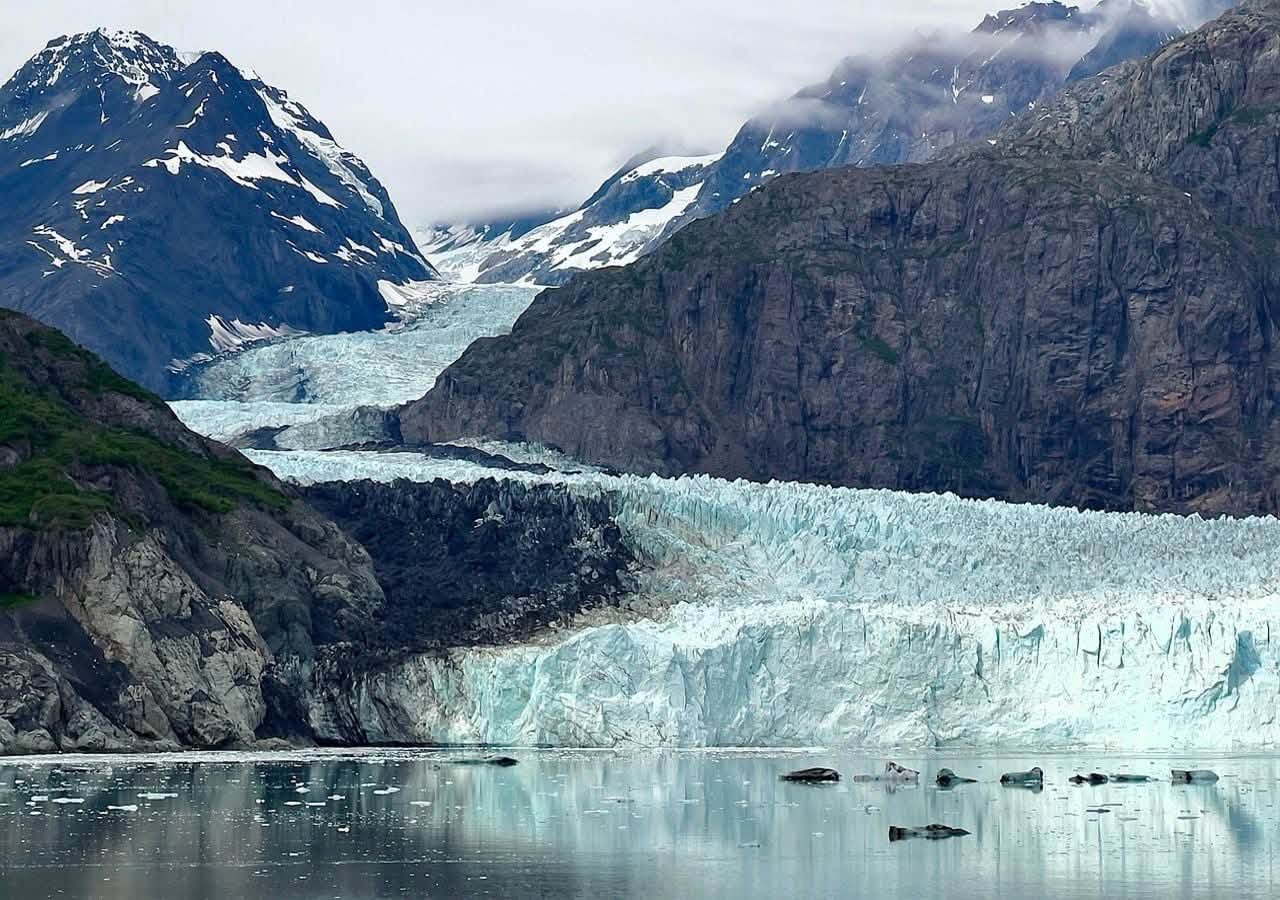
For years, scientists studying the Himalayas have been warning that climate change is rapidly melting glaciers and destabilizing the mountains of Nepal. They warned about retreating glaciers, growing glacial lakes, thawing permafrost, unstable slopes, avalanches, landslides and catastrophic floods. They called for closer monitoring, early-warning systems and greater preparedness.
Too often, such warnings have been dismissed as exaggerations coming from environmental “alarmists.”
Then tragedy strikes.
The recent disaster in Nepal was not predicted in the sense that scientists knew exactly when and where that particular mountain of rock and ice would collapse. But the kind of catastrophe that took place had long been foreseen. Scientists had been warning that a warming Himalaya was becoming increasingly unstable and that disasters could cascade: melting ice, destabilized mountainsides, avalanches, blocked rivers, sudden dam failures and devastating floods downstream.
Perhaps it is time we started listening to the “alarmists.”
Because Nepal is only one warning. Climate change is already increasing the risk or severity of many kinds of disasters around the world:
1. Melting glaciers and ice sheets — destabilizing mountains and threatening freshwater supplies.
2. Rising sea levels — slowly swallowing coastlines, islands and low-lying communities.
3. Coastal flooding and storm surges — pushing seawater farther inland as the oceans rise.
4. Extreme rainfall and catastrophic floods — as a warmer atmosphere carries more moisture and releases heavier downpours.
5. More destructive typhoons and tropical cyclones — fueled by warmer oceans and accompanied by heavier rainfall.
6. Extreme heat waves — increasingly threatening human health and making some places dangerously hot.
7. Severe and prolonged droughts — drying up water sources, destroying crops and threatening food security.
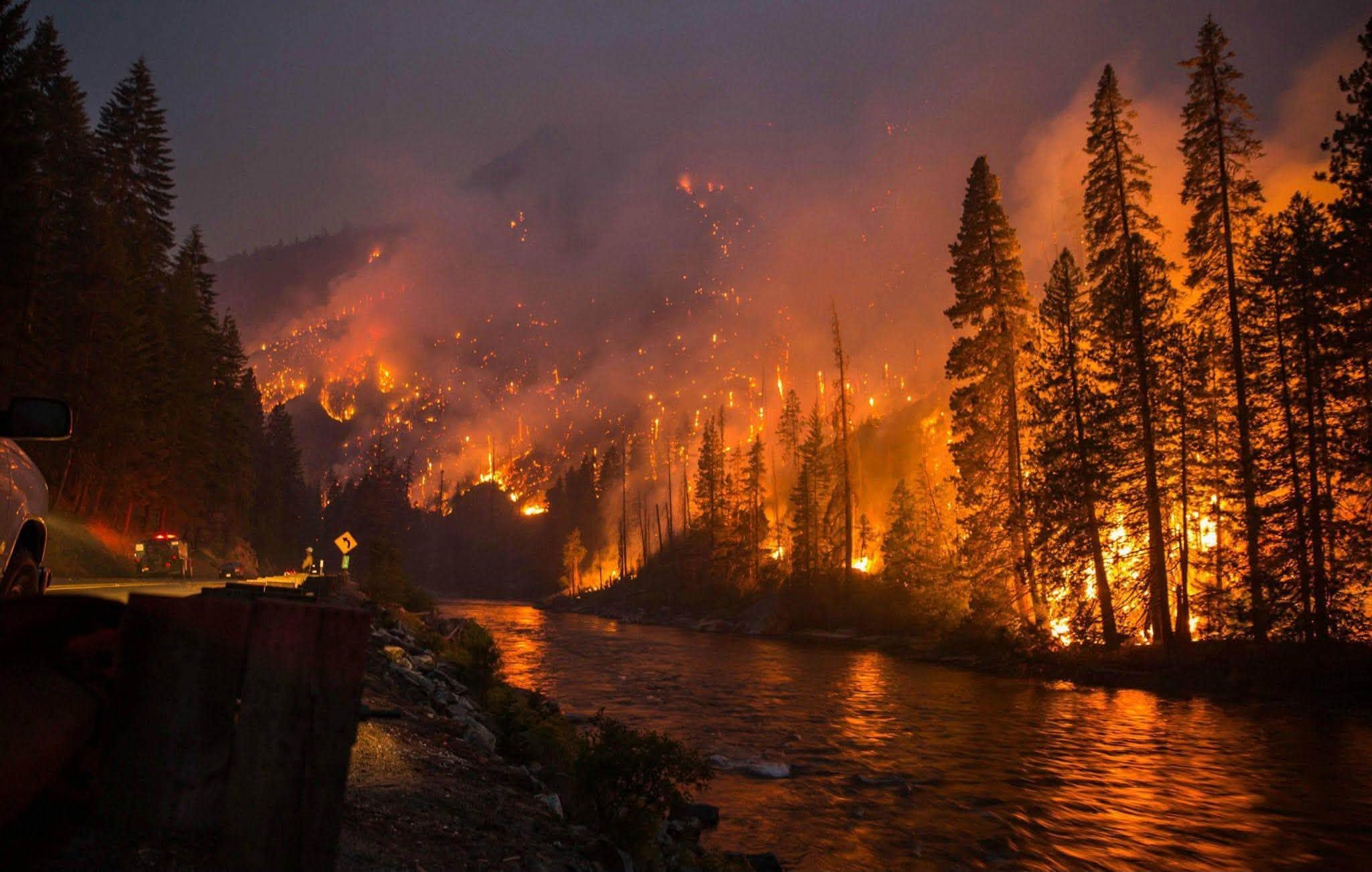
8. Wildfires — intensified by extreme heat, drought and increasingly dry vegetation.
9. Landslides, rockfalls and mountain collapses — triggered by extreme rainfall and, in high mountains, by retreating glaciers and thawing permafrost.
10. Crop failures and food crises — caused by heat, drought, floods, changing rainfall and saltwater intrusion.
11. Ocean warming and acidification — killing coral reefs, disrupting fisheries and threatening marine ecosystems.
12. Loss of biodiversity and ecosystem collapse — driving plants and animals toward extinction as their habitats disappear faster than they can adapt.
And these disasters do not always come one at a time. They can trigger one another. Drought can lead to wildfire. Extreme rainfall can lead to landslides. Rising seas can magnify storm surges. Melting glaciers can destabilize mountains, create dangerous lakes and unleash catastrophic floods.
We should therefore stop treating ecological warnings as the rantings of “alarmists.” An alarm is supposed to alarm us. Its purpose is to wake us up before the house is already on fire.
Perhaps the tragedy in Nepal is telling us something we desperately need to hear:
When nature sounds the alarm, wisdom does not silence the alarm. Wisdom wakes up.