
2,961 total reads
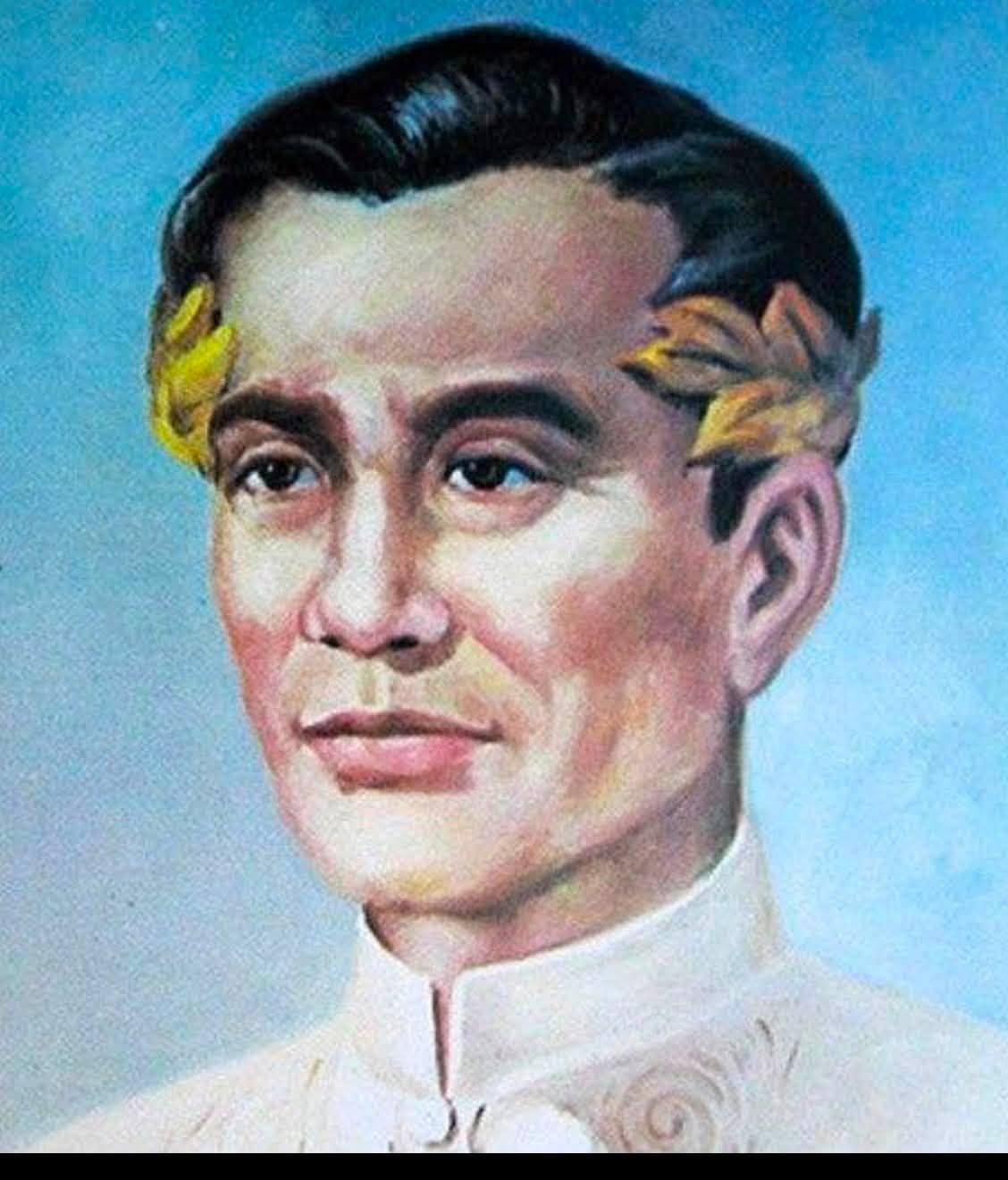
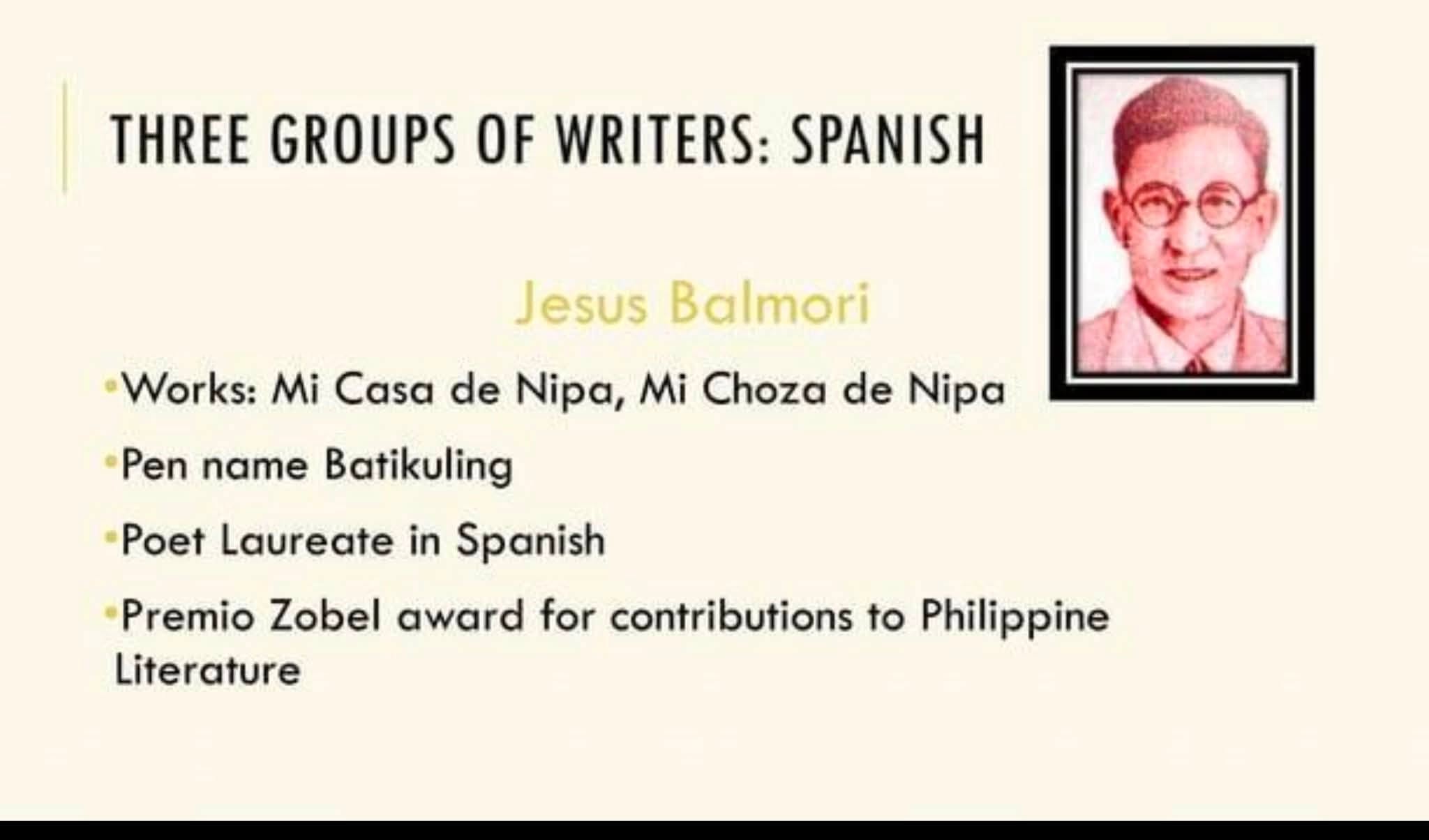
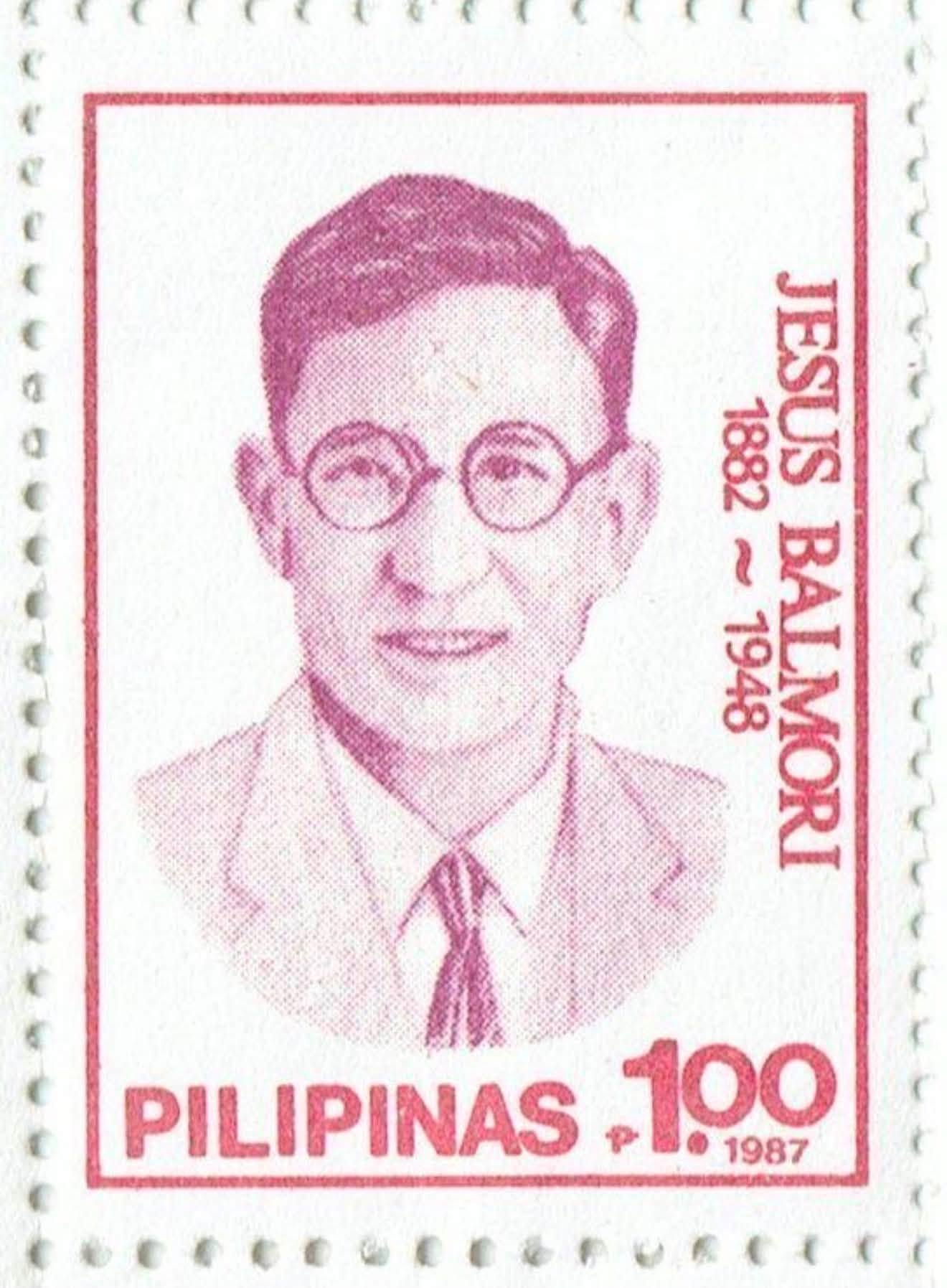
I learned something quite unexpected yesterday about the La Loma Catholic Cemetery, which is now under the administration of the Diocese of Kalookan. I did not know that buried there is one of the great, though now largely forgotten, names in Philippine literature: Jesús Balmori (1887–1948).
A visitor came to the cemetery looking for his grave, bringing with him some old newspaper clippings. Our cemetery personnel themselves did not know who Balmori was, but they searched our old records—and there he was. They were able to locate his burial place and bring the visitor to his grave.
I became even more interested when I learned that the visitor was from Bacolor, Pampanga. Balmori was born in Ermita, Manila, but his mother, Pantaleona Rivera, was from Bacolor. So there is a Kapampangan connection to this remarkable Filipino writer.
Balmori belonged to that fascinating generation of Filipinos who continued to produce a distinctly Filipino literature in Spanish even after the end of Spanish colonial rule. He was a poet, novelist, playwright and journalist, and is regarded as one of the major figures of the golden age of Filipino literature in Spanish. At only seventeen, he published his first collection of poetry, Rimas Malayas. Writing under the pseudonym “Batikuling,” he became famous for his witty and often biting satirical verses on Manila society and politics. (Biblioteca Virtual Miguel de Cervantes)
He was also celebrated for his poetic Balagtasan or justas poéticas with another great Filipino poet in Spanish, Manuel Bernabé. Their verbal jousts became so famous that Balmori and Bernabé jointly received the Premio Zóbel in 1926. In 1940, Balmori’s Mi casa de nipa won first prize in the Commonwealth literary competition. (Biblioteca Virtual Miguel de Cervantes)
Perhaps his most extraordinary work was Los pájaros de fuego, a novel about Manila during the Japanese occupation. As he wrote it during the war, Balmori reportedly hid portions of the manuscript in glass jars buried in his garden to keep them safe. The manuscript survived and was eventually recovered and published decades later by the Instituto Cervantes. (Instituto Cervantes Manila)
How strange that I had to learn only now that this important Filipino writer—and fellow Kapampangan by maternal roots—has been quietly resting all these years in La Loma Catholic Cemetery.
It makes me wonder how many more stories of our nation are waiting to be rediscovered among the old graves and burial records of La Loma. Sometimes history is not really lost. We have simply forgotten where we buried it.