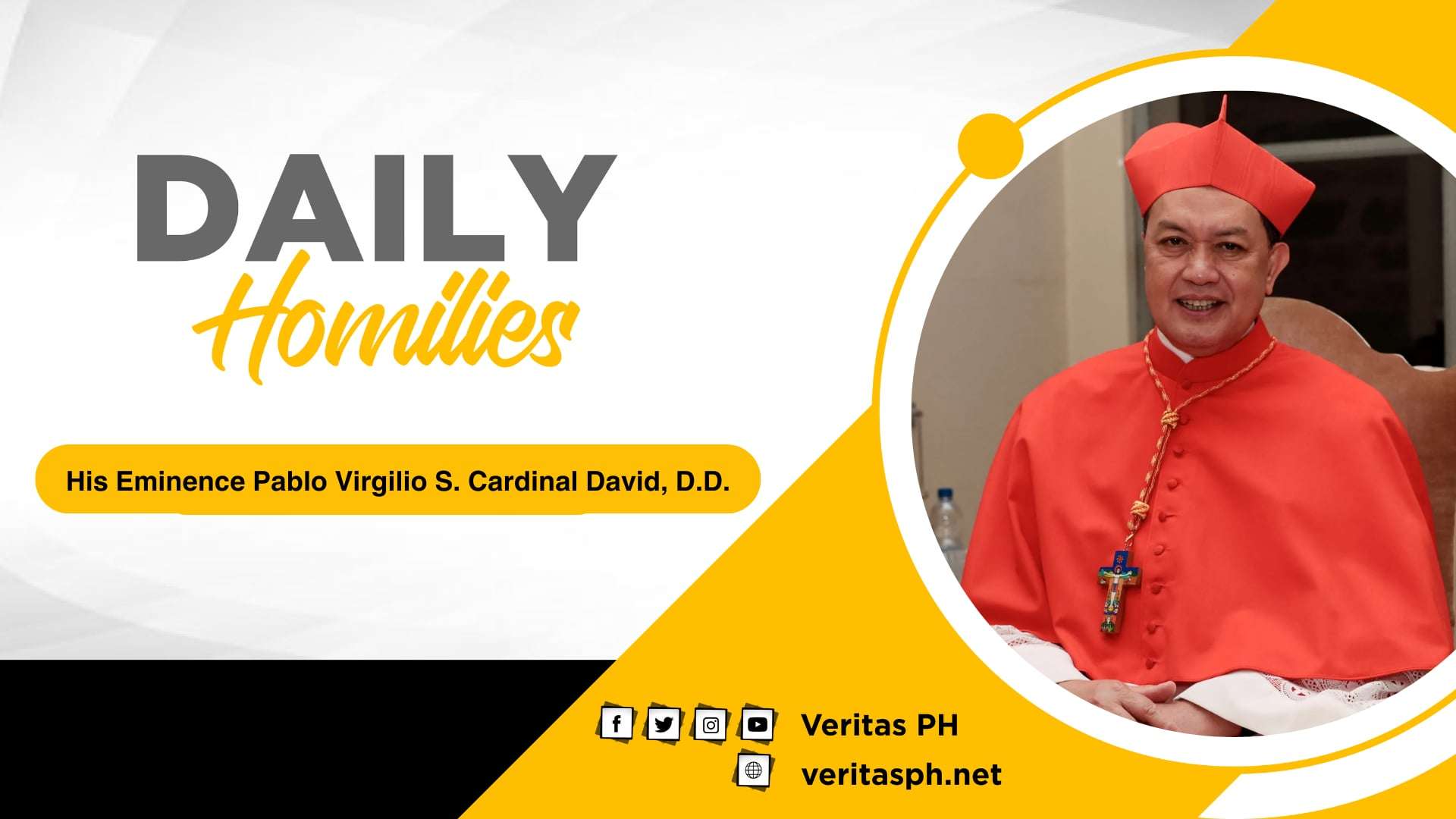
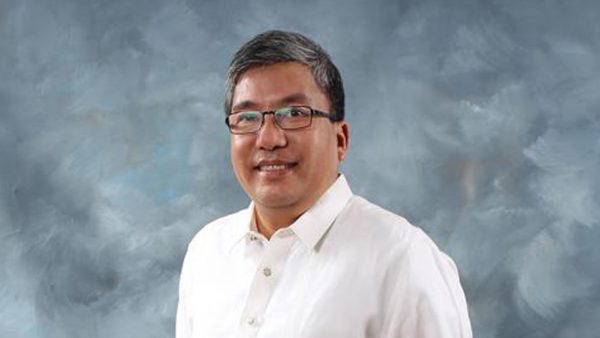
H.E. Pablo Virgilio Cardinal David, D.D.
Tuesday, November 3, 2026 3:39 pm
1,653 total reads
Homily for All Souls’ Day — November 2, 2026, Wisdom 3:1–9; Psalm 23; Romans 6:3–9; John 6:37–40
In 1987, when I was still doing my Licentiate studies in Louvain, Belgium, our family arranged for my mother to visit the United States for the first time. I flew in from Belgium myself and we met in San Diego, California with three of my sisters and two of my brothers.
One day, we decided to cross the border into Tijuana, Mexico. It was just a day trip—to enjoy some Mexican food and do a little sightseeing. One thing caught my attention: a peculiar sidewalk chapel with an image that, at first glance, looked like the Blessed Virgin Mary. But when I looked more closely, it was a skeleton dressed in a long robe, holding a sickle!
I later learned that Mexicans this figure was called Santa Muerte—Holy Death—a popular folk devotion in Mexico, although not recognized by the Catholic Church. Mexico also has a beautiful tradition of remembering the dead called Día de los Muertos, or Day of the Dead.
According to popular belief, during these days, the souls of the departed return to visit their families. So people prepare altars with photographs, flowers, candles, and even the favorite food of their deceased loved ones.
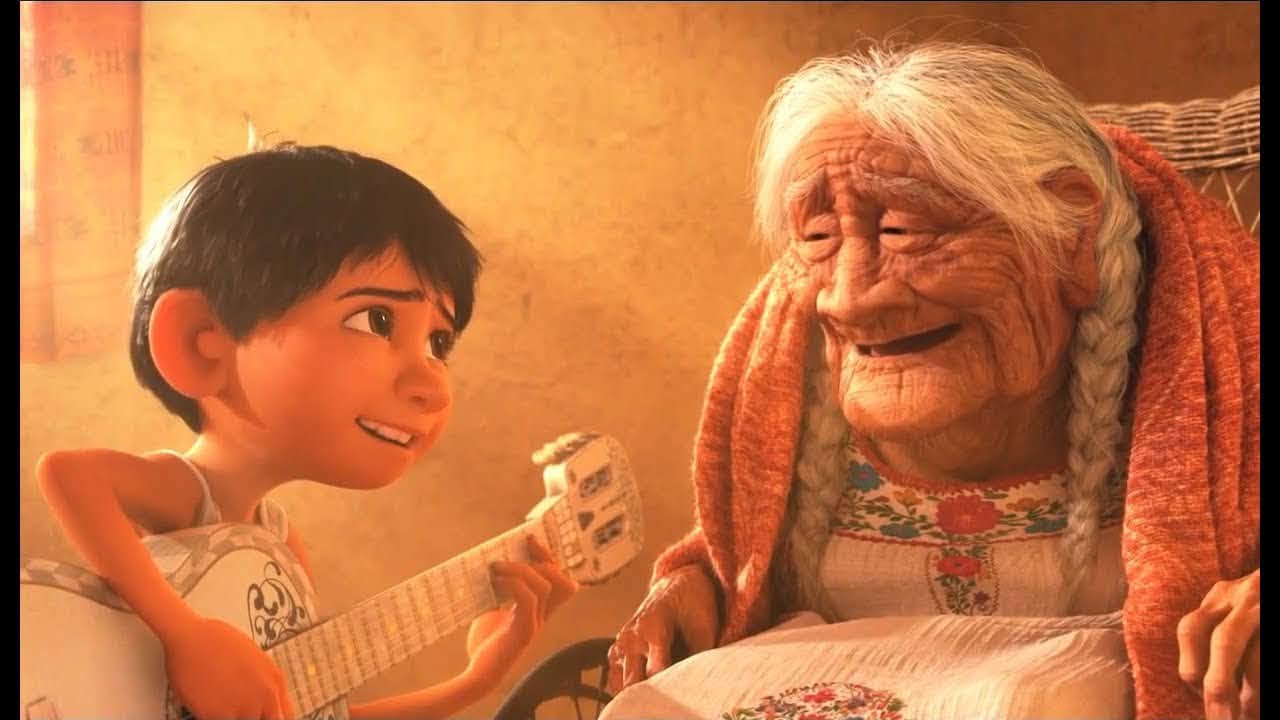
It reminds me of our Filipino tradition of Undas. And it brings to mind a beautiful animated film by Pixar entitled Coco, whose theme song is “Remember Me.”
The story is about a young Mexican boy named Miguel, who dreams of becoming a musician. Unfortunately, music has been forbidden in his family for generations. Why? Because an ancestor who was a musician supposedly abandoned his wife and daughter to pursue fame.
But during Día de los Muertos, Miguel mysteriously crosses into the Land of the Dead, where he meets a skeleton named Héctor. He eventually discovers that Héctor is actually his great-great-grandfather, the father of his elderly great-grandmother, Mama Coco. Héctor had not willingly abandoned his family. He had been murdered by another musician who stole his compositions and became famous with them.
Now here comes the most touching part of the story. In the film, there are supposedly two kinds of death. The first is physical death, when the body dies. The second is what they call the Final Death, when a deceased person is completely forgotten by everyone still living. When nobody remembers you anymore, you disappear even from the Land of the Dead.
And that is what Héctor fears. His daughter, Mama Coco, is now very old and gradually losing her memory. He is in danger of being forgotten forever. When Miguel finally returns to the world of the living, he approaches Mama Coco and sings a song her father had composed for her when she was a little girl.
The song is called “Remember Me.” “Remember me, though I have to say goodbye. Remember me, don’t let it make you cry.”
As Miguel sings, something wonderful happens. Mama Coco begins to remember. She recognizes the song, remembers her father, and even begins singing along. It is an unforgettable scene. Through a simple song, her father comes alive again in her memory.
But here is where our Christian faith offers us something even more consoling. Our eternal existence does not depend on whether the living continue to remember us. Why?
Because even when human beings forget, God never forgets. Remember the beautiful words of the prophet Isaiah:
“Can a mother forget her infant, be without tenderness for the child of her womb? Even should she forget, I will never forget you.” (Isaiah 49:15)
Those words inspired the beautiful Filipino hymn, “Hindi Kita Malilimutan”—“I Will Never Forget You.”
It is almost as though God were answering the song from Coco. Humanity sings, “Remember me.”
And God answers, “I will never forget you.” In our first reading from the Book of Wisdom, we hear:
“The souls of the just are in the hand of God.”
They have not simply disappeared into nothingness. They remain in God’s hands. And in today’s Gospel, Jesus makes an even more beautiful promise:
“This is the will of the one who sent me, that I should not lose anything of what he gave me, but that I should raise it on the last day.”
Notice those words: “I should not lose anything.” No one entrusted to Christ by the Father is meant to be lost. That is the foundation of our Christian hope—not merely that our loved ones will remain alive in our memories, but that we shall share in Christ’s resurrection.
As St. Paul reminds us in the second reading, if we have been united with Christ in his death through baptism, we shall also share in his resurrection.
Today, as we gather as a family, we remember Ma and Tang—Bienvenida and Pedro—our brother Dante, and all our relatives and loved ones who have gone before us. As we grow older, some memories inevitably begin to fade. Faces become less distinct. Voices become harder to recall. Sometimes all it takes is an old photograph, a familiar song, a favorite dish, or a place we once visited together to bring those memories back.
Just as that little trip to Tijuana with my Ima, almost forty years ago, has remained with me. But we remember our dead not because we fear they will cease to exist if we forget them. We remember them because love does not end with death.
That is what we profess in our faith in the Communion of Saints. Even death cannot completely cut off the bonds that unite us in Christ. And so, on this All Souls’ Day, we offer our prayers for those who have gone before us, entrusting them to God’s infinite mercy.
Perhaps “Remember Me” is the song we wish to sing to our departed loved ones. But there is an even more beautiful song that God sings to each of us:
“Hindi Kita Malilimutan. I will never forget you.” And when our own time comes, when our names are no longer spoken, when even the last person who remembers us has passed away, there will still be Someone who remembers.
The God who gave us life. The God who loved us before we were born. The God who, through Jesus Christ, promises to raise us up on the last day. Because God’s final word about us is not death, but life.
H.E. Pablo Virgilio Cardinal David, D.D.
Tuesday, November 3, 2026 3:38 pm
1,654 total reads
Homiliya para sa Dakilang Kapistahan ng Lahat ng mga Banal (Todos los Santos)
Nobyembre 1, 2026
Pahayag 7:2–4, 9–14; 1 Juan 3:1–3; Mateo 5:1–12a
Alam naman siguro ninyo ang kasabihan sa Ingles, “To err is human; to forgive is divine.” Ang magkamali daw ay likas sa tao; pero ang magpatawad ay maka-Diyos.
Aaminin ko sa inyo, hindi ako kontento sa kasabihang iyan. Bakit ba ang hilig nating iugnay ang ating pagkatao sa pagkakamali, sa pagiging palpak, sa pagiging makasalanan? Hindi ba puwedeng sabihin nating, “To err is human; and to forgive is also human”?
Dahil kapag natututo tayong magpatawad, hindi ba lalo nating natutuklasan ang kadakilaan ng ating pagkatao? Na sa kabila ng ating mga kahinaan, may kakayahan tayong magmahal, umunawa, magpatawad, at magpakatao. At sa paggawa natin nito, unti-unting lumilitaw ang tunay nating dangal bilang mga taong nilikhang kalarawan ng Diyos.
Sa palagay ko, ito ang isa sa pinakamahalagang dahilan kung bakit nagkatawang-tao ang Anak ng Diyos. Ibinaba ng Diyos ang sarili niya at niyakap ang ating pagkatao, upang hindi tayo manatili sa ating kababaan, kundi upang maiangat niya ang dangal ng ating pagkatao. Hindi ba kapag may mga kababayan tayo na napaparangalan,nasasabi natin: Itinaas niya ang bandera natin! Para bang kasama tayong umaangat din ang dangal!
Napakaganda ng pagkakasabi ni Pope Leo XIV sa kanyang dokumentong Magnifica Humanitas. Sinimulan niya ito sa mga salitang: “Humanity, created by God in all its grandeur.” Ang sangkatauhan, nilikha ng Diyos sa buong kadakilaan nito.
At ipinaalala niya ang isang mahalagang aral ng Vatican II: “Only in the mystery of the Word made flesh does the mystery of humanity truly become clear.”
Ibig sabihin, kay Kristong nagkatawang-tao, mas lubos nating nauunawaan kung ano ang tunay na kahulugan ng pagiging tao. Ito ang ipinagdiriwang natin ngayon sa Todos los Santos.
Sana huwag naman nating ipakalayo-layo sa atin ang mga santo at martir, o ipakataas-taas ang pedestal para sa mga imahen nila na para bang mga Superheroes sila. Oo, naniniwala tayong nasa langit na sila. Pero bago sila nakarating sa langit, tumapak din sila sa lupa. Nabuhay din sila sa mundong ito, katulad din natin sila.
Dumaan din sila sa mga pagsubok. May mga kahinaan din sila. Marami sa kanila ang nagkamali, nagkasala, nadapa, at muling bumangon. May magandang kasabihan ang manunulat na si Oscar Wilde: “Every saint has a past, and every sinner has a future.”
Napakaganda, hindi ba? Bawat santo ay may nakaraan, at bawat makasalanan ay mayroon pang hinaharap. Ibig sabihin, hindi tayo dapat ikulong sa ating nakaraan. Ang isang taong nagkasala ay hindi habambuhay na kailangang manatiling makasalanan. Hangga’t may buhay, may pagkakataong magbago, magbalik-loob, at maging banal.
Napakaganda ng paglalarawan sa mga banal sa ating unang pagbasa mula sa Aklat ng Pahayag. Sinasabi roon na sila ang mga taong nagdaan sa great tribulation—sa matinding kapighatian at pagsubok. At ang kanilang mga damit ay hinugasan at pinaputi sa dugo ng Kordero.
Hindi ba parang kabaligtaran iyon? Ang dugo ay pula. Sino ba ang gustong mamantsahan ng dugo ang kanyang puting damit? Pero sa pangitain, kung kailan hinugasan sa dugo ng Kordero, saka nga naging puti ang kanilang mga damit! Siyempre, matalinghaga ito. Larawan ito ng pagdadalisay, ng pagbabago ng ating pagkatao sa pamamagitan ng pag-ibig at sakripisyo ni Kristo.
Ito rin ang diwa ng tinatawag nating purgatoryo. Sayang nga lang at kung minsan, iniisip natin ang purgatoryo na parang isang lugar lang sa pagitan ng langit at impiyerno. Pero ang pagdadalisay ay nagsisimula na sa buhay natin dito sa lupa, at ang purgatoryo ay ang ganap na pagdadalisay ng mga namamatay sa biyaya ng Diyos. Para tayong ginto na dumaraan sa apoy. Tinutunaw upang maalis ang mga dumi, upang lalong tumingkad ang kinang at tumaas ang kilatis.
Ganyan din ang ating pagkatao. Sa bawat pagsubok, sa bawat pagkakataong pinipili nating magmahal sa halip na maghiganti, magpatawad sa halip na magkimkim ng galit, unti-unting lumilitaw ang tunay na ganda ng ating pagkatao.
Kaya nga napakaganda rin ng sinasabi ni San Juan sa ating ikalawang pagbasa: “Mga minamahal, mga anak na tayo ng Diyos ngayon. Ngunit hindi pa nahahayag kung ano tayo sa hinaharap.” Ibig sabihin, may higit pang magandang maaaring mangyari sa ating pagkatao!
Ang ating tunay na bokasyon ay hindi lamang ang maging mga anak nina Adan at Eba. Madalas kasi, kapag binabanggit natin sina Adan at Eba, ang naaalala natin ay ang pagkakasala, ang pagkahulog, ang kahinaan ng tao.
Pero bago pa ang kasalanan, mayroon nang isang mas dakilang layunin ang Diyos: nilikha niya tayo ayon sa kanyang larawan at wangis. Kaya sa kaibuturan ng ating pagkatao, may likas tayong pagkilala sa katotohanan, kabutihan at kagandahan. Alam natin kung ano ang tama at mali, kung ano ang marangal at kahiya-hiya, kung ano ang dapat at hindi dapat.
At kapag nagkakasala tayo, para bang may tinig sa ating kalooban na nagsasabing: Hindi iyan ang tunay mong pagkatao. May higit kang kakayahang magpakabuti.
Kaya para sa ating mga Kristiyano, ang ganap na huwaran ng ating pagkatao ay si Hesukristo—ang bagong Adan. Siya ang nagbigay ng mukha sa walang hanggang pag-ibig ng Diyos. Siya ang nagturo sa atin kung ano ang tunay na kahulugan ng pagiging tao.
At ito rin ang ipinapakita ng mga Beatitudes sa ating Ebanghelyo. Mapapalad ang mga dukha sa espiritu, ang mga mahabagin, ang mga may malinis na puso, ang mga gumagawa ng kapayapaan, ang mga inuusig dahil sa katarungan. Hindi ba napakagandang larawan ng pagkatao ang mga ito?
Ang kabanalan ay hindi pagiging superhuman. Ang kabanalan ay ang pagiging ganap na makatao, ayon sa larawan ni Kristo. Kaya ngayong Todos los Santos, hindi lamang natin ipinagdiriwang ang mga santong opisyal na kinilala ng Simbahan. Inaalaala rin natin ang napakaraming ordinaryong tao na naging pambihirang huwaran ng pagkatao, pagpapakatao at pakikipagkapwa-tao.
Mga magulang na nagsakripisyo para sa kanilang mga anak. Mga taong nanindigan para sa katotohanan at katarungan. Mga bayaning nag-alay ng buhay para sa kapwa. Mga taong marunong magpatawad kahit sila ay nasaktan. Mga taong patuloy na nagmamahal kahit sila mismo ay nagdurusa.
Sa kanilang buhay, nasisilayan natin ang langit dito pa lamang sa lupa. Ito ang ibig kong sabihin sa pamagat ng ating pagninilay: MAGNIFICA HUMANITAS—ang dakilang kagandahan at dangal ng ating pagkatao. Ang kabanalan ay hindi pagtakas sa ating pagkatao. Ito ang ganap na katuparan ng ating pagkatao sa Diyos.
Kaya sana, sa pagdiriwang natin ng Todos los Santos, huwag lamang tayong tumingala sa mga banal na nasa langit. Matuto rin tayong tumingin sa ating kapwa, at sa ating sarili, at kilalanin ang larawan ng Diyos na naghihintay na lubusang mahayag.
Dahil ang tunay na layunin ng ating buhay ay hindi lamang ang makarating sa langit balang araw, kundi ang matutong mamuhay dito sa lupa na para nang sa langit. Iyan ang kabanalan. Iyan ang tunay na pagpapakatao. Iyan ang kadakilaan ng ating pagkatao bilang mga anak ng Diyos.
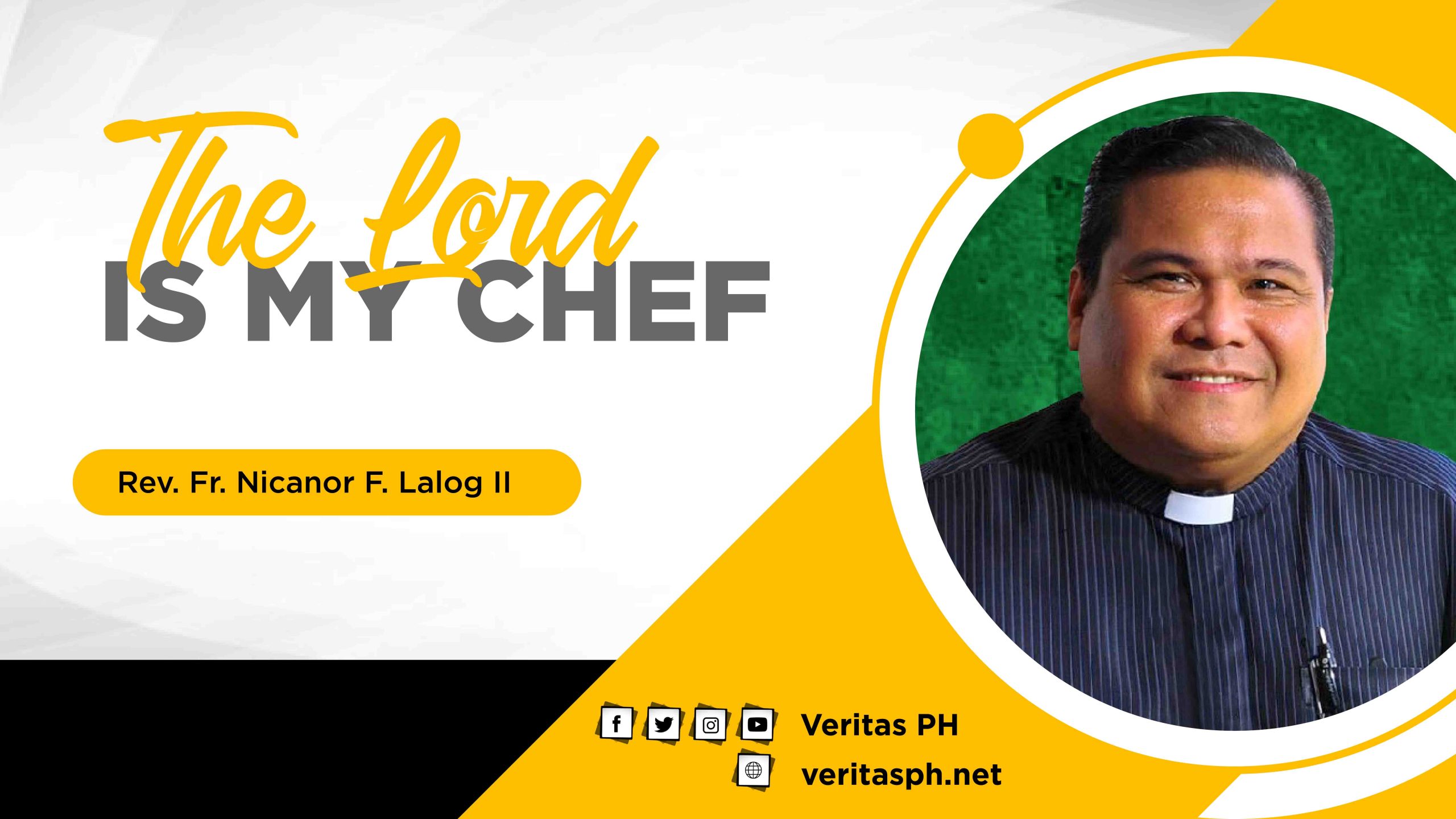
Rev. Fr. Nicanor Lalog II
Tuesday, November 3, 2026 3:35 pm
2,066 total reads
Quiet Storm by Fr. Nicanor F. Lalog II, 03 November 2026
A week before Undas,
we went to Imus, Cavite;
it was my first time and in obedience
to my late mother's instruction,
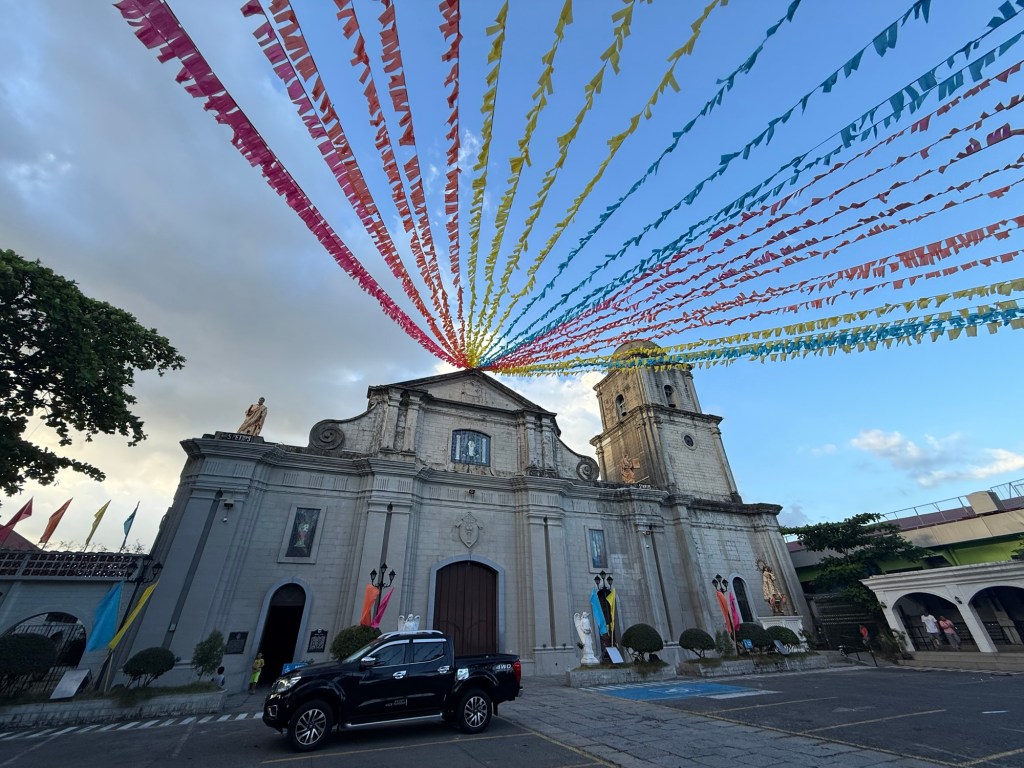
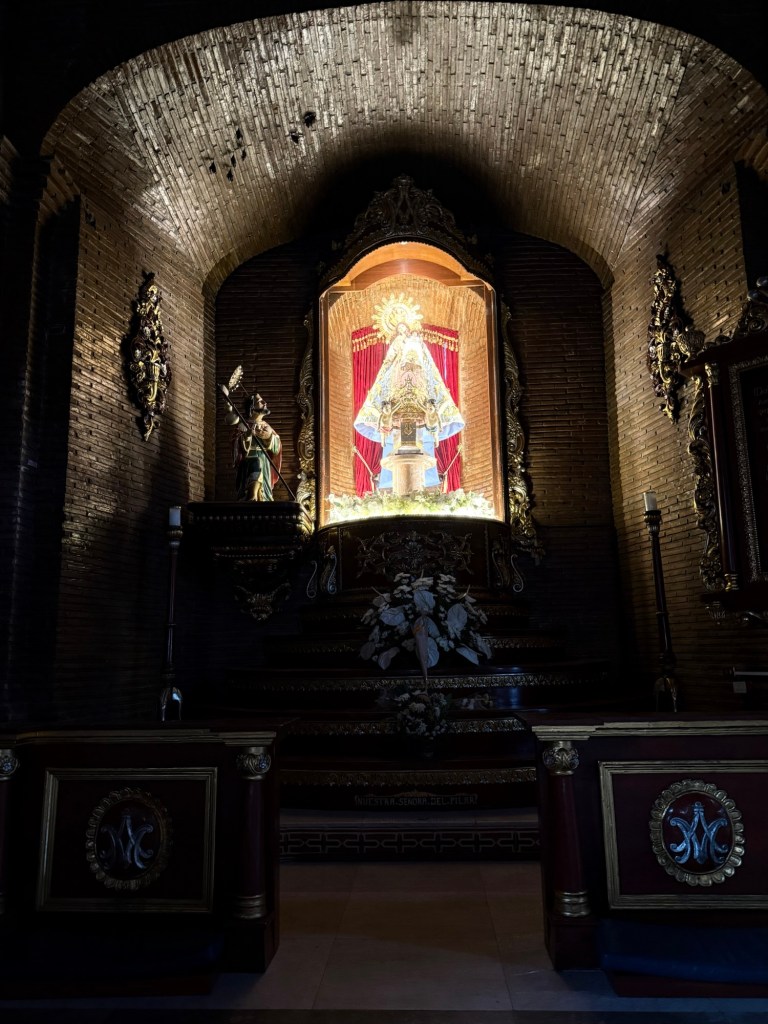
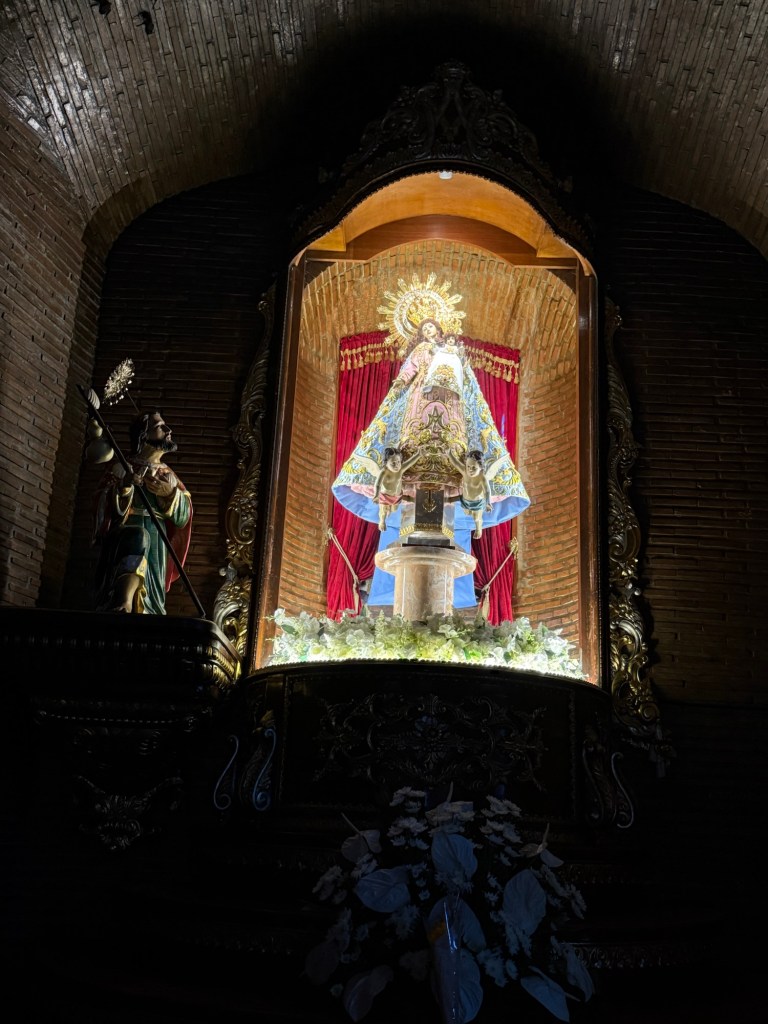
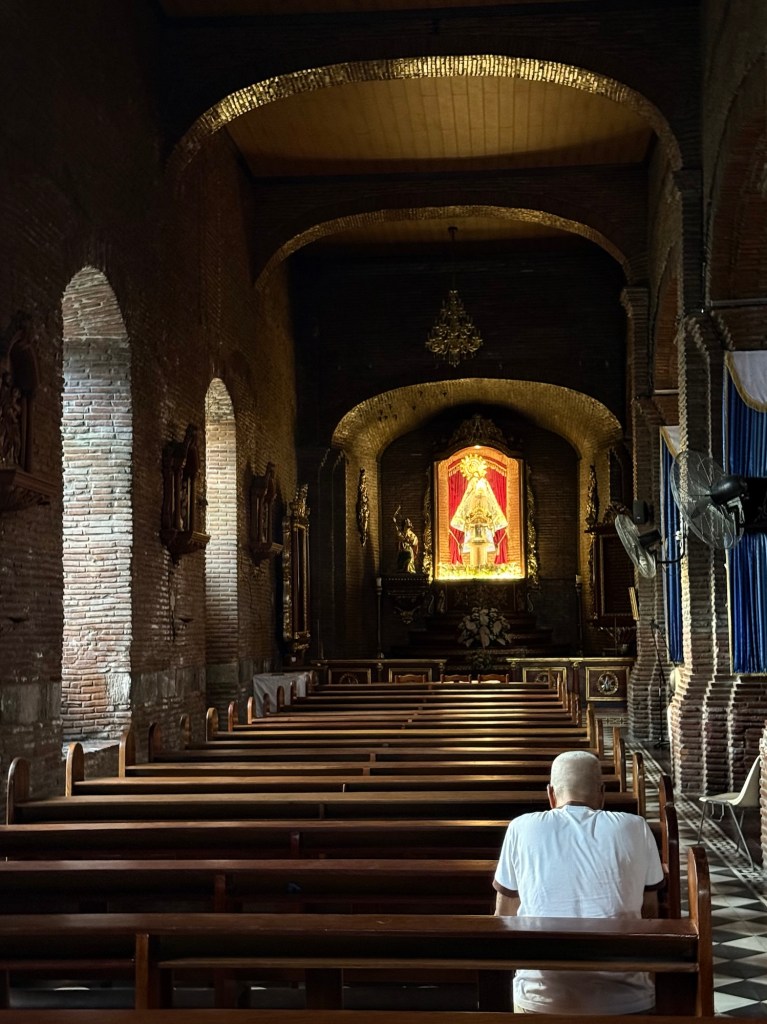
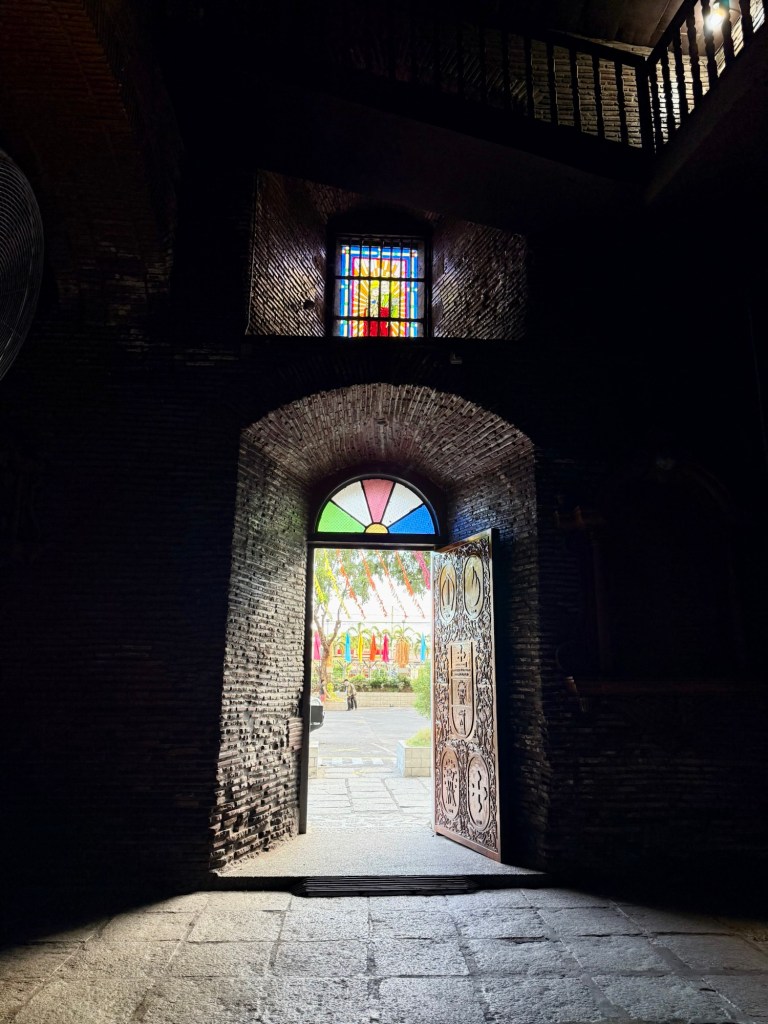
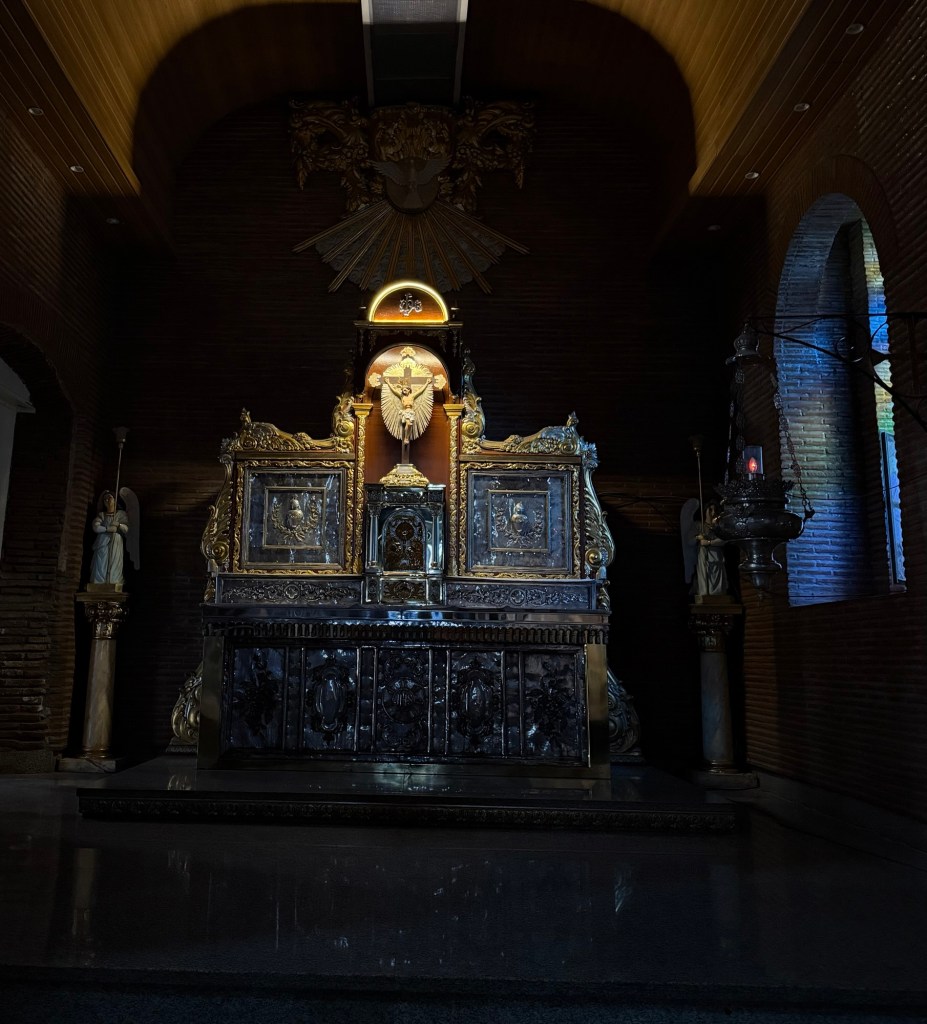
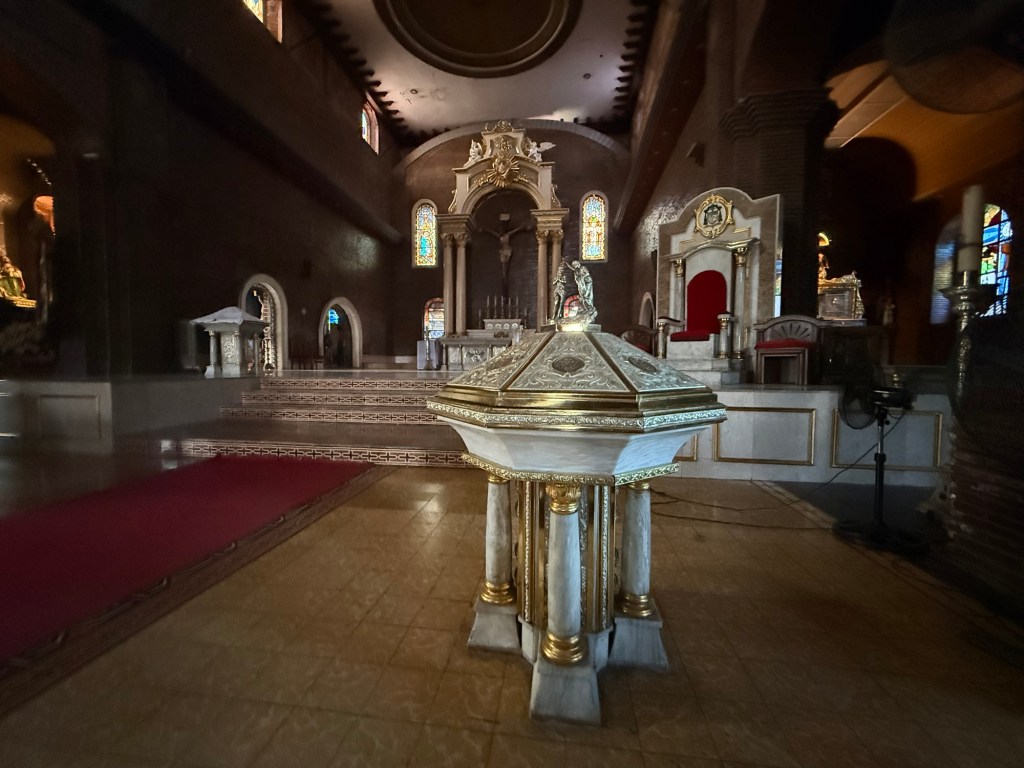
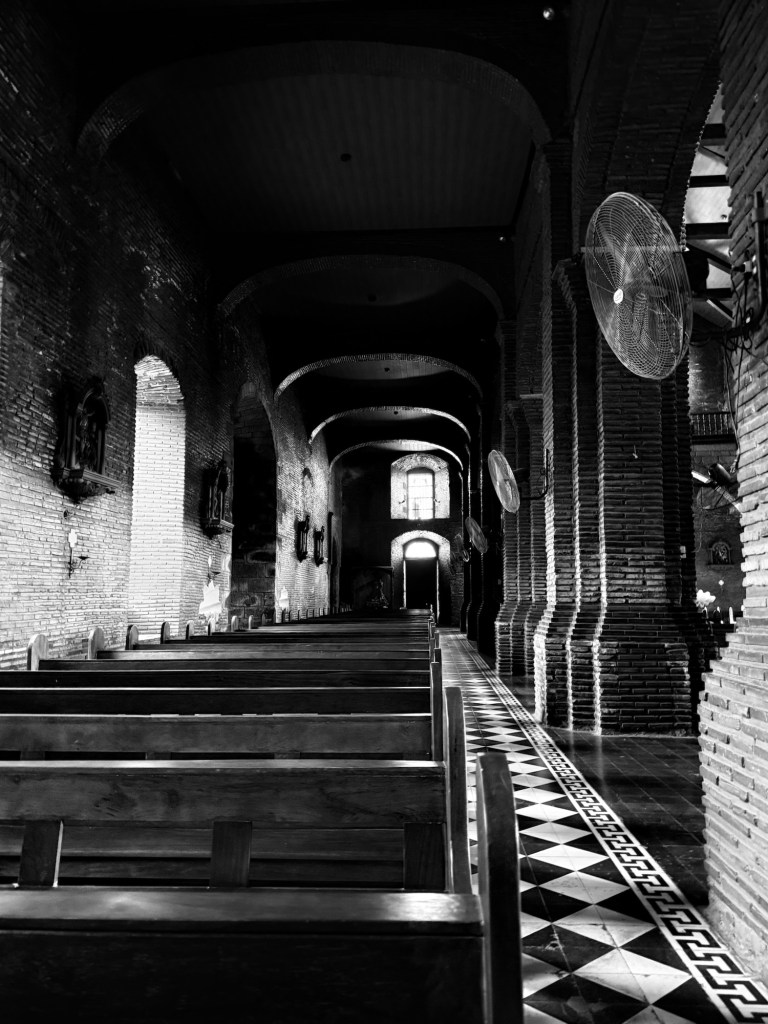
we went to pray at the Cathedral Parish of
Our Lady of the Pillar.
According to tradition,
Saint James the Greater was discouraged
at his preaching of the Gospel in Spain
with very few converts;
the Blessed Mother who was still then
living in Jerusalem
appeared to him via bilocation
at the banks of Ebro River
in Zaragoza, Spain
while standing on a jasper column.
Mary gave the pillar to Saint James
with the instruction to build
a chapel in her honor there
that became the Cathedral-Basilica of Zaragoza,
considered as the first Marian apparition
in history that happened on the year 40,
second day of January.
Saint James eventually won many converts
and returned to Jerusalem where he was martyred
in the year 44 to become the first
among the Apostles to shed blood
for the Gospel.
His remains were later
translated back to Spain,
reaching its final destination
in the now famous Santiago de Compostela.
I have always wanted to go on a pilgrimage
to Santiago de Compostela in Spain
but it seems God has other plans for me;
while praying there at Imus,
it just dawned upon me that we can always
do that pilgrimage to any holy site
first in our hearts,
in our own
hallowed
hiddenness.
Right inside this
beautiful Cathedral in Imus
after praying,
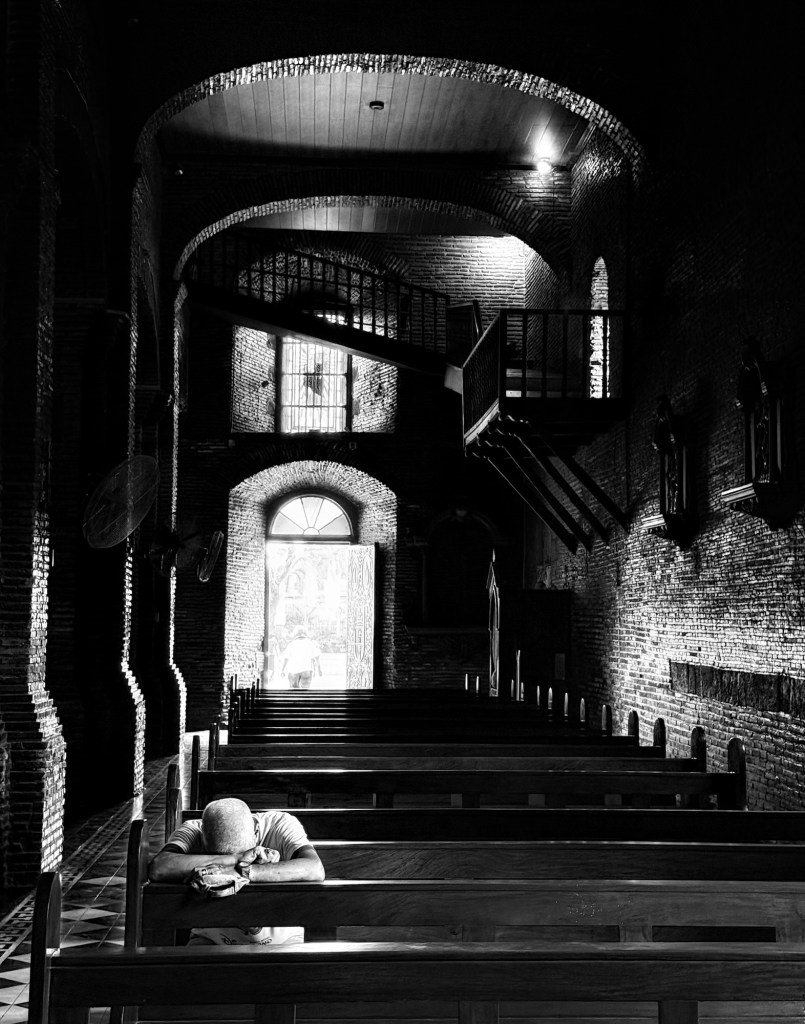
I felt taking my iPhone
to observe the steps,
the internal camino
of many other pilgrims
coming there only with
their hearts for Jesus
with Mary.

Like this man silently,
intensely
praying.
I have realized that
hiddenness is a sacred presence
where each of us can be all by one’s self
focused on God
who is the root of our being and existence.

According to St. John Paul II,
God created man
first to be alone with Him.
And that is how it will be
to each of us in the end:
we die alone.
With God in Jesus.

We all have this gift of hiddenness
within whenever we desire to be still,
for some “me” time
to rediscover
and find
one’s self anew.
“In our society we are inclined to avoid hiddenness. We want to be seen and acknowledged. We want to be useful to others and influence the course of events. But as we become visible and popular, we quickly grow dependent on people and their responses and easily lose touch with God, the true source of our being. Hiddenness is the place of purification. In hiddenness we find our true selves” (Fr. Henri Nouwen).
Hiddenness is the passageway
to the great gifts of silence and stillness
that lead us to the deeper truths
and realities of life,
of self,
ultimately
of God.
Silence is the language of God;
 silence precedes very communication by God
something we have refused to learn
about communication that is why
we quarrel a lot,
misunderstanding each other always.

We never dialogue
nor communicate
but simply talk, talk, and talk
without silence in order to listen
to others.
Hiddenness is God’s mode of presence
that cannot be captured
nor described in human terms.
That is why He is hidden.
It is not that God is hiding from us
but He is inviting us
to be intimately close with Him
to exclusively
and personally
experience Him,
be filled with Him.
It was the same thing
Jesus did on Easter,
remaining hidden
before finally appearing to Mary Magdalene
whom He stopped from touching Him
to signal her
and us today
of the new level of relating
with the Risen Lord in hiddenness.

In all Easter stories,
we are told how the disciples fell silent
whenever Jesus appeared to them.
In Emmaus,
after the breaking of bread,
the two disciples finally recognized Jesus
who immediately vanished
because Jesus wanted them
and us today
to follow Him personally
in His hiddenness
to find Him
and ourselves too.
Appearances,
 images
 and noise
 are fleeting.

 The most significant moments
 and insights we have in life
 are those that come from our long periods of silence,
 of prayers and soul-searching.
This November
as we continue to remember
 all those who have left us in this world,
let us keep its sacred origins
in the hiddenness of our hearts:
  All Saints Day
 for those souls already in heaven
 and All Souls’ Day
 for those who have departed
 but still being purified in the purgatory.

 Both invite us to “hide” in prayers,
 in silent remembering
 to experience God
 and our departed loved ones
 in the most intimate and personal manner
 without the gadgets and things
 that numb us of their presence.
 Amen.
 Have a blessed
and meanigful
All Saints’ and All Souls’ Days!
25,791 total reads Mga Kapanalig, tila wala namang tinamaan sa mga sinabi ni Pangulong Bongbong Marcos sa kanyang SONA noong isang taon na: “Mahiya naman kayo!”
75,543 total reads Mga Kapanalig, bumagsak ang halaga ng piso sa panibagong pinakamababang antas na mahigit sa ₱64 kada isang US dollar! May epekto sa halaga
234,736 total reads Kapanalig, nahaharap sa kasalukuyan sa samu’t-saring suliranin ang ating bayan. Hindi pa tapos ang problema sa matinding epekto ng oil crisis, tumaas na
261,897 total reads Nakatanggap ang House prosecution panel ng ulat mula sa social media na maaring humingi ng “compromise agreement” ang defense panel ni VP Sara
294,944 total reads Mga Kapanalig, nitong mga nakaraang linggo, nagkaroon ng malawakang kilos-protesta sa mga bansa sa Europa gaya ng France, Italy, Spain, at Portugal. Ilan