


910 total reads
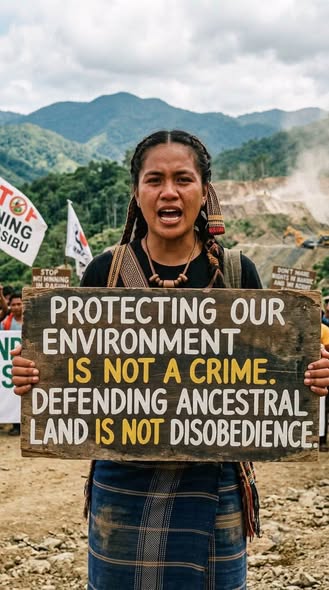
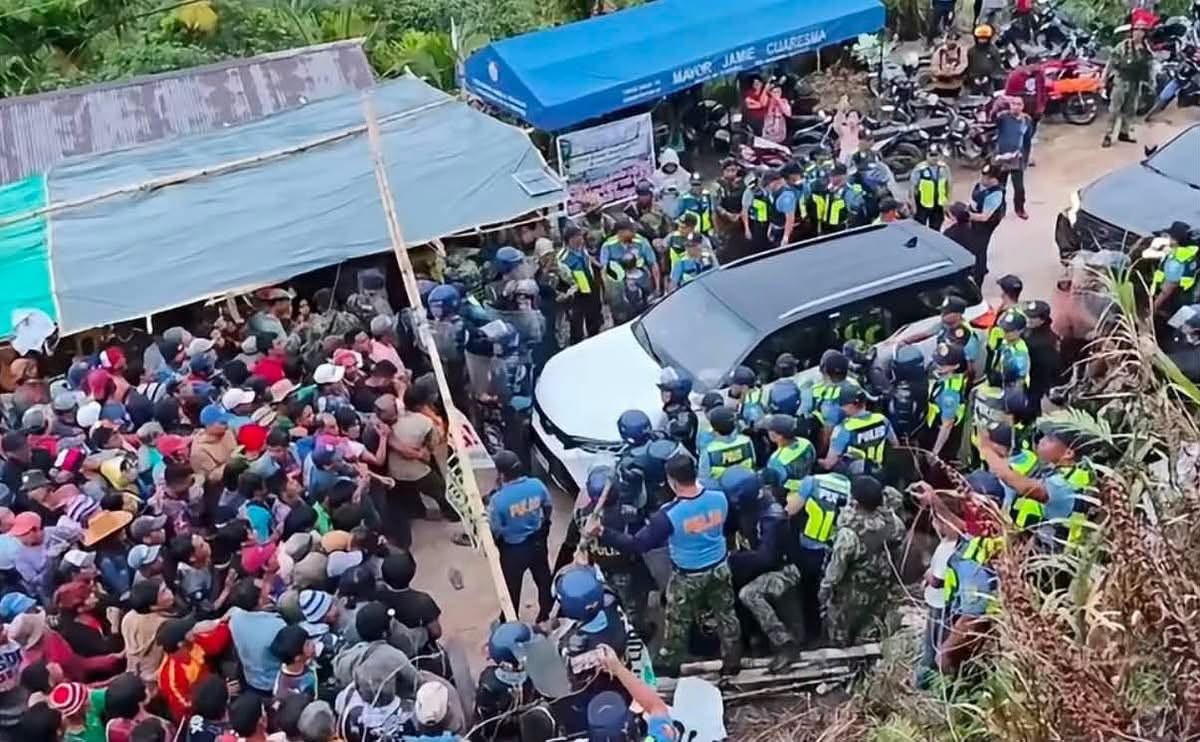
I wish to express my solidarity with Bishop Elmer Mangalinao and the Diocese of Bayombong, and especially with the communities of Nueva Vizcaya who are asking that their voices be heard before further mining activities are allowed to proceed in their land.
Several mining interests are presently involved in Nueva Vizcaya. Woggle Corporation, affiliated with FCF Minerals Corporation and linked with the UK-listed Metals Exploration Plc, has been granted an exploration permit covering about 3,100 hectares in Dupax del Norte, principally in search of gold and copper, with other polymetallic deposits including zinc and lead also reported in the area. North Luzon Mineral Resources Corporation has likewise pursued copper-and-gold exploration in the Kasibu area. Nueva Vizcaya is already home to the Didipio gold-copper mine operated by OceanaGold and the Runruno gold-molybdenum operation of FCF Minerals.
Let us be clear: minerals are necessary for modern life, and some, especially copper, are increasingly needed for the transition to renewable energy. But a “green transition” cannot be called green if extracting its minerals destroys forests and watersheds, contaminates rivers, threatens farms and livelihoods, or turns rural and Indigenous communities into sacrifice zones.
There are sound scientific reasons for taking these concerns seriously. Large-scale extractive mining and even extensive exploration can require forest clearing, road construction, drilling and major disturbance of soil and rock. When mining proceeds to full production, the risks become much greater: erosion and sedimentation of rivers, alteration of groundwater systems, loss and fragmentation of habitats, mine waste and tailings, and—in sulphide-rich mineral deposits—the possibility of acid mine drainage that can mobilize metals into surface and groundwater. These are risks that require rigorous, independent environmental assessment; they should neither be exaggerated nor dismissed.
The concern becomes even more urgent in an age of climate change. We are already experiencing more intense rainfall events, disastrous flooding and landslides. Healthy forests, watersheds and river systems are part of our natural protection against these hazards. When mountain slopes are stripped of vegetation, soils disturbed and natural drainage systems altered, communities can become even more vulnerable to erosion, flooding and landslides. We should be protecting our watersheds, not gambling with them.
The CBCP has been consistent on this matter. In its 1998 Statement of Concern on the Mining Act of 1995, the bishops warned about the grave social and ecological costs of large-scale mining. In 2006, in Mining Issues and Concerns, the CBCP reaffirmed its opposition to destructive mining and made an important connection: “The right to life of people is inseparable from their right to sources of food and livelihood.” In 2008, Upholding the Sanctity of Life again identified irresponsible mining alongside climate change among the serious threats to our environment. And in our 2019 pastoral letter on the climate emergency, we recalled these earlier teachings and called the whole Church to ecological conversion.
This is why I am deeply troubled by the manner in which some people defending their communities in Dupax del Norte have been treated. On January 23, seven residents—including six women—were arrested when police enforced a court order dismantling their anti-mining barricade. Whatever our position on mining, farmers, Indigenous peoples, women and ordinary citizens who sincerely fear for their water, farms and children’s future must not automatically be treated as enemies or criminals simply because they protest. Their right to peaceful expression and meaningful participation must be respected.
They are stakeholders in the truest sense of the word. They live there. They drink the water. They cultivate the soil. Their children will inherit whatever is left behind when the minerals have been extracted and the mining companies have gone.
I therefore appeal to the DENR and the Mines and Geosciences Bureau to exercise the precaution demanded by their mandate: review and, where legally warranted, suspend existing environmental clearances affecting contested areas, and withhold further ECCs, amendments and approvals until credible independent environmental studies have been completed and there has been genuine, transparent dialogue with the affected communities and local governments. Where Indigenous communities and ancestral domains are affected, the requirements of free, prior and informed consent must be fully respected.
I appeal likewise for an end to harassment, intimidation and unnecessary criminalization of environmental defenders. Let us replace barricades and police confrontation with dialogue, independent science and genuine consultation.
Development cannot mean extracting what lies beneath the earth while destroying the life that flourishes above it.
Listen to the people!
Protect the watersheds!
Protect our common home!