


6,056 total reads
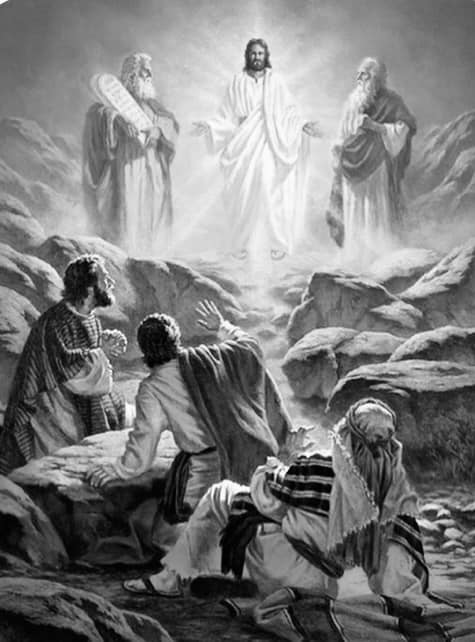
All three synoptic gospels narrate the Transfiguration of Jesus (Mk 9:2-10; Mt 17:1-9; Lk 6:28-36). Following the priority of the Markan gospel, one can say that both Matthew and Luke have drawn their account from that of Mark sharing in many of its features. The term “metamorphoō” ( μεταμορόω ) is a verb found in only four places in NT. Meaning “to transform,” “to transfigure”, it is used in Mt 17:2 and Mk 9:2, describing Christ’s transfiguration, i.e., the transformation of his physical appearance on the mountain, whereby his three disciples are granted a momentary glimpse of his heavenly glory. Lk 6:29, on the other hand, used the ordinary term “change or alter” in describing his face and clothes.
The Transfiguration is best described as a theophany where the three disciples are given a glimpse of Christ’s future glory. And like the experience of Moses on Sinai or Jesus at his baptism, it comes to us with heavy theological implications. This is where each evangelist makes known their respective intentions through the distinct features they focus on in the narrative.
Today’s gospel comes from Mark (for Mt cf s1S#127 Beloved 3/4/23; for Lk cf s1S#76 Exodus 3/13/22 ), where Jesus refers to himself as the Son of Man, “… the title Jesus most often used to refer to himself…, “ho huios tou anthrōpou, (ὁ υἱὸς τοῦ ἀνθρώπου). The 78 instances can be classified into the following categories: first, refers to his present activity during his earthly ministry, (e.g Mk 2:10,28; Mt 8:20; Lk 5:24); second, sayings in which Jesus refers to his impending passion and/or resurrection (e.g. Mk 8:31; 9:9,31; 10:33 John 3:14; 8:28; 12:34); third, sayings in which he refers to his future activity as judge and savior at the end, (Mk 8:38; 13:26; 14:62, John 1:51). Why this seemingly unusual self-designation of Jesus? It could be a secret reference to the Messiah promised by Daniel, “I saw… one like a son of man (ben adam/human being), he received dominion, splendor and kingship… ” (Dan. 7:13-14; the Messianic Secret theology of Mark). This way, Jesus revealed his true Messianic identity and at the same time avoided conflict with the Roman authorities who did not understand the term and were then sensitive to any threat to their power. Moreover, it could be his self-effacing way of referring to himself as accounting for both the present and impending suffering references (cf. second group of sayings) and therefore correct the Jewish expectations of a messiah king who will triumph magnificently against foreign powers. Jesus is indeed the Messiah, but a suffering one whose gruesome death will atone for the sins of all humanity: “He was pierced for our sins, crushed for our iniquity (Is 53…”, cf s1S#20 Son of Man 2/28/21).
The word metamorphoo is used again only on two more occasions, this time describing the transformation of the believer through the spiritual renewing of his mind (Rom 12:2), and into the likeness of Christ in glory (2 Cor 3:18). To be able to do so, we need to continue to listen to the Son of Man, the Father’s “beloved Son” (Matthean fulfillment motif), that we may follow his “exodus” (Luke’s theology) and find the way to His glory. Amen!”
s1S#127 Beloved 3/4/23
“…With Matthew’s fulfillment motif throughout his gospel, Jesus is recognized by the Father, as his Son (Ps 2:7), as the favored servant of the Lord (Is 42:1), and as an end-time prophet like Moses (Dt18:15), all three proclaimed in the heavenly voice’s statement (v5). These point to Christ as the unique fulfillment of these major biblical terms. As Son, he is described as “agapētos” ( ἀγαπητός – an adjectival form of the verb to love found around 60 times in NT), meaning “(dearly) beloved”, “well-loved”. It is a specification about sonship that is not present in Ps 2:7 and is expressive of a special love relationship between the heavenly Father and the Son. It links with the voice of Jesus’ baptism (3:17) and confirms Peter’s earlier confession (16:16). As the servant of the Lord, it alludes to Isa 42:1, the beginning of the first Servant Song, casting Jesus in the role of the Servant of Yahweh and highlighting his obedience to the will of the Father through suffering by which He was well pleased. The fulfillment motif of Matthew is further underlined by the presence of Moses and Elijah, representing the law and the prophets as they converge on the person of Jesus, both important end figures (v3), while the final remark of Jesus (v9) previews the resurrected Christ, the glory that will be his after his servant role as the Son of Man is brought to completion.
Jesus as the Son of God, the Servant of the Lord, and the Son of Man is the beloved emissary of God’s redemption. His mission accomplished, it made us beloved in Christ who brought us all from death to life…”
s1S#76 Exodus 3/13/22
“….Focusing on the Lucan account…he alone mentions the subject of the conversation between Jesus and Moses and Elijah: “…and spoke of his exodus” (Lk 16:31-32). The word ἔξοδος is immediately identified with the second book of the Bible and in particular the events of Ex 12:29-15:21. The word literally means departure (as translated in NRSV 1993) or passage (cf. CCD Lectionary 1970). In the context of the geographical perspective of Lucan theology, this refers to Jesus’ steady movement toward Jerusalem where the completion or fulfillment (v32) of the events foreordained in God’s salvific plan happened. Though it alludes as well to the Hebrew exodus from Egypt, this theme is central to Luke’s gospel which is largely constructed around Jesus’ journey to Jerusalem (9:51; 19:28) where his definite leave-taking, or departure, or his entire transit to the Father, will occur (the ascension, Lk 24:50-52). It is indeed the city of destiny for Jesus… In Luke’s writings salvation he moves us with Jesus toward Jerusalem. And this is our call as well. It reminds us not to become so involved in temporal concerns, even legitimate ones, that we forget our ultimate destiny, our own transfiguration into the image of Christ. Since we are citizens of another realm (Phil 3:20-21), our Christian identity must condition our way of life…”