

9,110 total reads
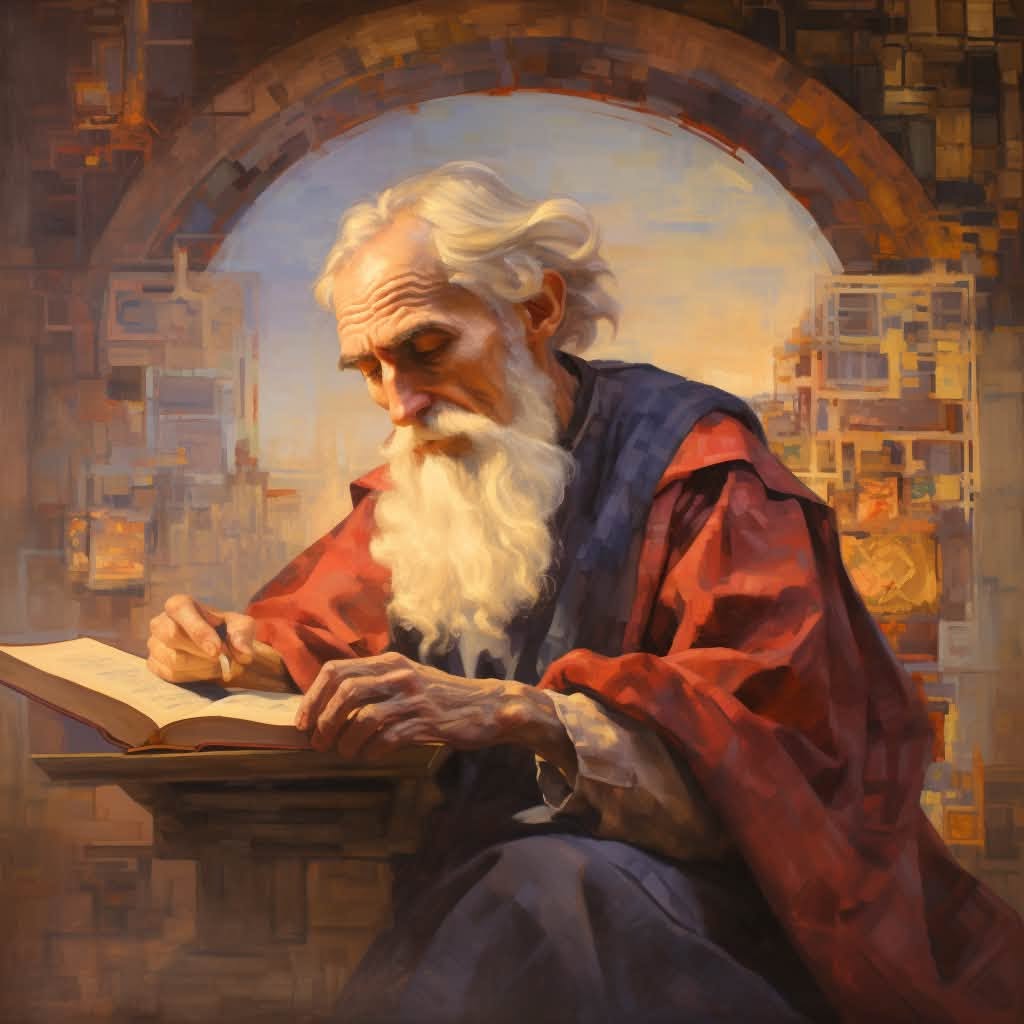
Today is the feast of St. Jerome, who lived more than 1,600 years ago and remains one of the strongest figures in the Catholic tradition on the importance of Sacred Scripture in our faith. Contrary to what some of our fellow Christians sometimes assume, the Catholic Church has always regarded the Scriptures as essential to knowing and following Christ. Jerome himself devoted much of his life to studying and translating them.
He is remembered especially for the famous line: “Ignorance of the Scriptures is ignorance of Christ.”
As a biblical scholar myself, I have always appreciated that statement. But I have also learned to qualify it. Ignorance of Scripture can indeed mean ignorance of Christ. But knowledge of Scripture does not necessarily mean knowledge of Christ.
The Gospels themselves tell us so. There are people who encountered Jesus without first coming to him through the Scriptures—the Samaritan woman, Zacchaeus, the man born blind, the Roman centurion. They encountered a person. Something happened in that encounter that opened their eyes and changed their lives.
And there were others who knew the Scriptures very well but failed to recognize the Word made flesh standing before them. Jesus himself once said to such people: “You search the Scriptures… and it is they that testify on my behalf. Yet you refuse to come to me to have life.” (Jn 5:39–40)
Perhaps the parable of the Good Samaritan says it most powerfully. A priest and a Levite—men formed in the Scriptures and in religion—saw the wounded man lying by the roadside and passed him by. It was the Samaritan, the religious outsider, who stopped, was moved with compassion, and cared for him. He recognized, without even knowing it, the face of Christ in the victim.
Maybe that is the challenge St. Jerome leaves us today. We study the Scriptures not simply to know more about Christ, but to know Christ—to recognize him when he comes to us in the flesh, especially in the wounded, the rejected, the stranger and the poor. Because one can know the Bible by heart and still fail to recognize the Word made flesh.
And perhaps the real test of whether we know the Scriptures is whether the Word we read has begun to take flesh in us.