10,135 total reads
A Reflection as Advent Approaches
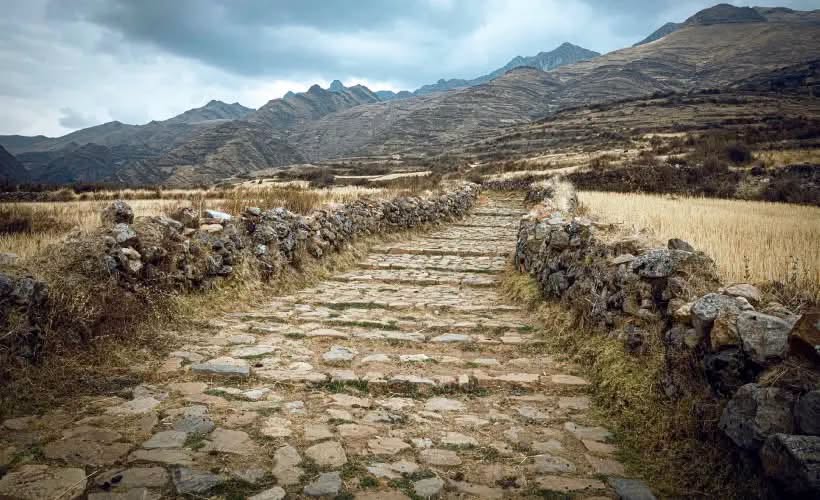
I was fascinated by a little detail in Gerry O’Connell’s report on Pope Leo XIV’s visit to Peru. In his address to the Peruvian bishops, the Pope used the image of the Qhapaq Ñan, the Great Inca Road, to speak about the mission of the Church.
The Qhapaq Ñan was an extraordinary network of roads developed by the Incas, particularly in the 15th and early 16th centuries. Imagine, a road network stretching some 30,000 kilometers, built more than five centuries ago! It connected communities across mountains, valleys, deserts, and difficult terrain. And it was built without the modern engineering equipment we have today.
Pope Leo compared the Church to a road that leads people toward communion and hope, crossing the mountains of indifference, the deserts of individualism, and the distances that separate people. He reminded the bishops that this road is not always easy to travel, and, above all, that it is not meant to be traveled alone. A bishop must walk with his priests and people, sharing their struggles and ensuring that nobody is left behind.
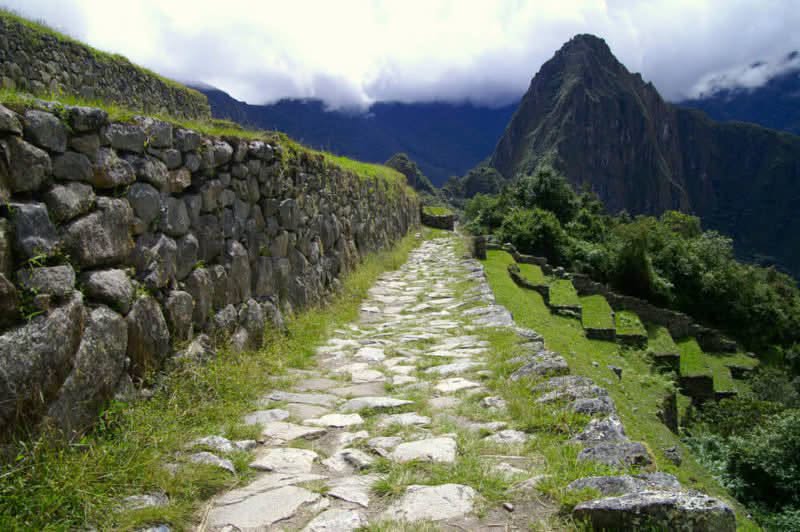
Since we are approaching Advent, this image immediately reminded me of the words of the prophet Isaiah, later proclaimed by John the Baptist in the wilderness:
“Prepare the way of the Lord, make straight his paths. Every valley shall be filled in, every mountain and hill shall be made low. The winding roads shall be made straight, and the rough ways made smooth.” (Luke 3:4–5)
It sounds almost like a massive engineering project, doesn’t it? Four kinds of roadwork. But the prophet is speaking metaphorically about the spiritual work involved in preparing for the Lord’s coming.
First, filling in the valleys. This is about making up for what is lacking in our relationships, especially through forgiveness and reconciliation. We Filipinos have a beautiful expression: “Ikaw na ang magpuno sa aking pagkukulang.” Sometimes love means being willing to make up for another person’s shortcomings.
Second, bringing down the mountains. Certainly not by literally demolishing mountains, as some mining companies are doing nowadays! The mountains that need leveling are those of pride, arrogance, and self-importance. It is the work of kenosis, the emptying of self, learning the humility without which genuine communion is impossible.
Third, straightening the winding roads. This means correcting our crooked ways, our mga liku-likong gawain. It is about refusing to become accustomed to dishonesty, corruption, and the little compromises that gradually lead us away from the right path.
Fourth, smoothing the rugged roads. This is the work of pagpipino—refining our attitudes, our language, our behavior, and our relationships. Learning to become more considerate, more gentle, more compassionate, so that others do not find it difficult to walk with us.
I find it beautiful that Pope Leo used an ancient Inca highway to remind the bishops of their mission to build communion. The Church is called not to erect barriers but to open pathways, to bridge distances, to bring people together, especially those who are easily left behind.
Perhaps this is also a good way of preparing for Advent.
The Lord is coming. But are we making it easier for him to enter our lives? And are we making it easier for others to walk with us toward him?
The roadwork begins in our own hearts.