

6,038 total reads
There is a Filipino expression that is difficult to translate into English: Nadalâ na. Perhaps the closest equivalent is, “We’ve learned our lesson.” Or, more emphatically, “Enough is enough.”
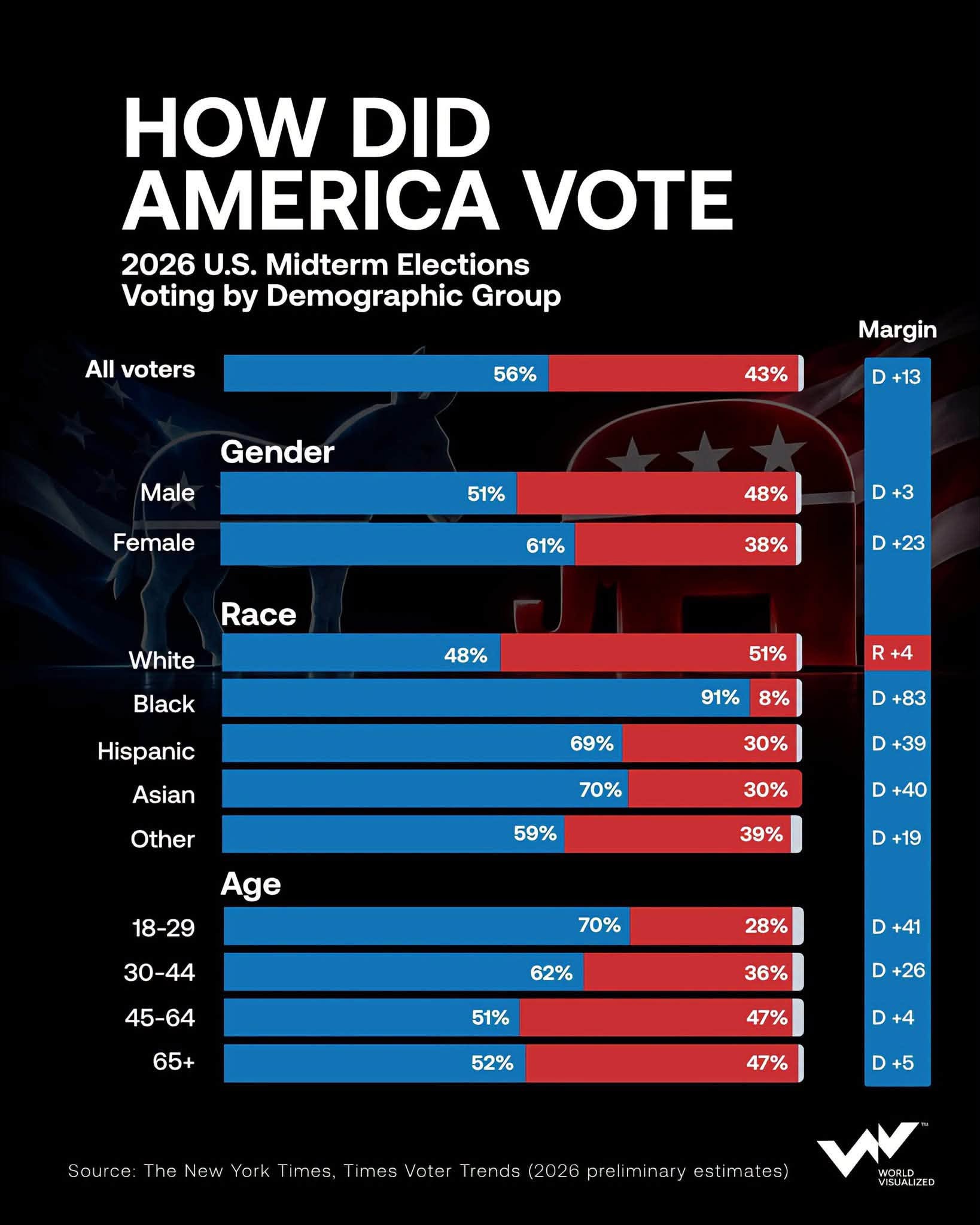
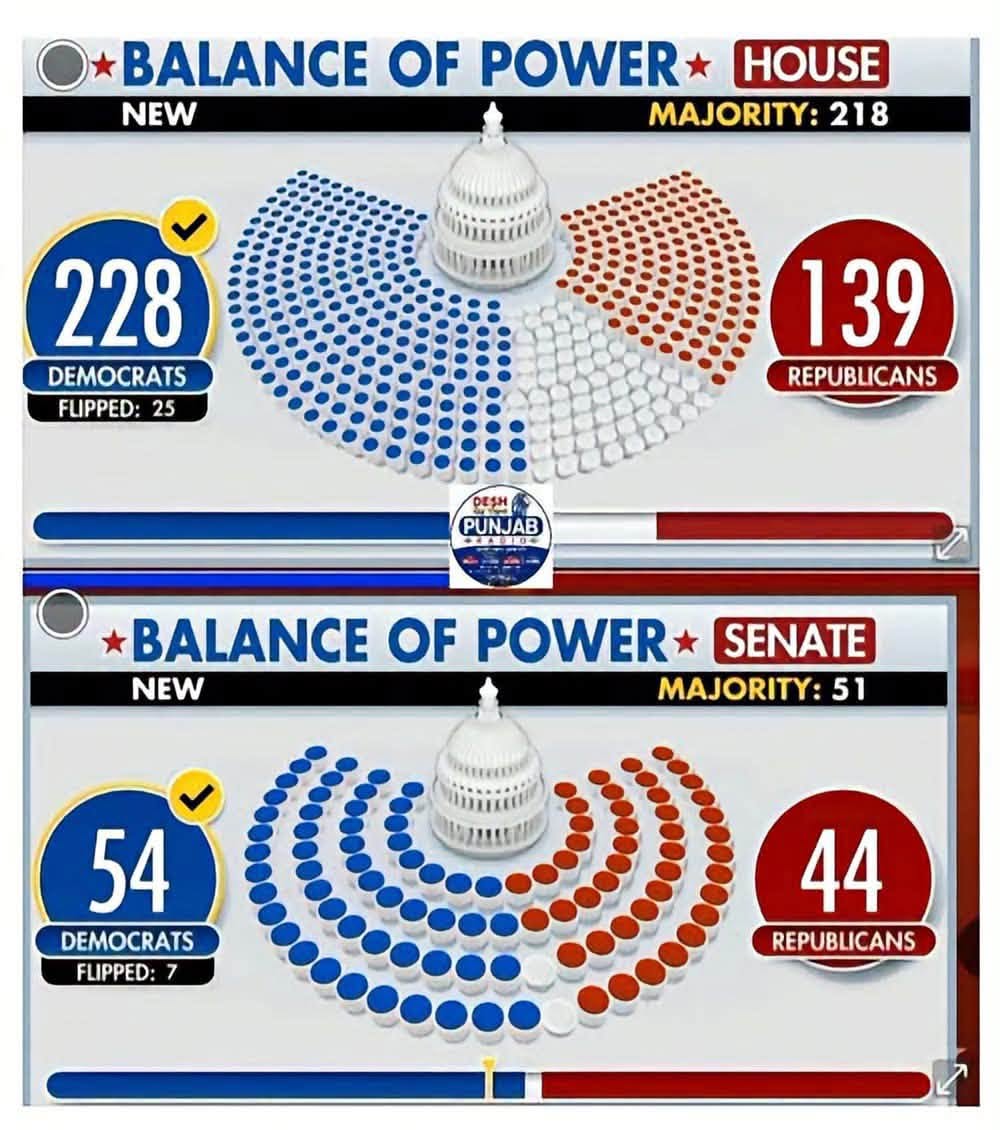
I wonder if this is part of what the American electorate is saying through the recent midterm elections, which have returned control of both the Senate and the House of Representatives to the Democrats.
I do not think we should interpret the results simply as a victory of one political party over another. They may also represent a sobering moment of awakening for many Americans, including those who sincerely believed that Donald Trump offered a more decisive solution to their country’s problems.
We Filipinos should understand this very well. We have gone through a similar experience ourselves.
There is something very seductive about leaders who promise quick solutions to complicated problems. Leaders who project strength, speak with absolute certainty, divide the world into friends and enemies, and suggest that laws and institutions are merely obstacles to getting things done.
The message is familiar: Trust me. Give me the power. I will fix everything.
Even religious people can be drawn into this narrative, especially when political differences are presented as a battle between good and evil.
But democracy was never meant to depend on the goodness, wisdom, or strength of one individual. It depends on institutions that can hold even the most powerful leaders accountable.
Pope Leo XIV, in his encyclical Magnifica Humanitas, warns against the dangerous tendency to reduce complex realities to simplistic categories: “me first,” “friend or foe,” “us or them.” He also cautions against a world in which the rule of law gives way to the mentality that “might makes right.”
Perhaps this is an important lesson not only for Americans but also for Europeans and for other societies increasingly attracted to authoritarian forms of populism.
I sincerely hope that the recent American elections will also open a path toward reconciliation. Republicans and Democrats are not enemies. They are fellow citizens of one nation, with different convictions perhaps, but with a shared responsibility for their country’s future. Neither side has a monopoly on patriotism or moral goodness.
And what about us Filipinos? Siguro naman, dalang-dalâ na rin tayo. Dalang-dalâ na tayo sa korapsyon. Sa mga politikong puro pangako. Sa political dynasties at patronage politics. Sa mga lider na ang tingin sa kapangyarihan ay personal na pribilehiyo sa halip na pananagutan.
Dalang-dalâ na rin tayo sa karahasan, sa mga patayang walang paglilitis, at sa pagwawalang-bahala sa karapatang pantao at sa batas.
Ayaw na nating maulit ang mga ito.
But learning our lesson should not mean merely replacing one set of political personalities with another. It should mean strengthening our democratic institutions, protecting the independence of the judiciary, ensuring transparency in the use of public funds, upholding checks and balances, and enabling ordinary citizens to participate meaningfully in governance.
We do not need a perfect government. We need a government that can be questioned, corrected, and held accountable. We need leaders who understand that no one is above the law.
And we need citizens who will not surrender their conscience and critical judgment to political personalities, however charismatic or popular they may be.
Perhaps the most hopeful thing about democracy is that it allows people to recognize their mistakes and change direction without resorting to violence.
That is not a sign of weakness. It is a sign of political maturity.
Sa atin, kapag parang di tayo natututo sa pagkakamali, minsan mapagsasabihan tayo: “Wala ka bang kadala-dalâ?” Or as today’s Pinoy millennials put it, “Wala ka ring dalâ, ano?”
I hope we can finally answer: “Nadalâ na. Tama na ang minsan o makalawang pagkabudol. Ayaw na naming maulit muli.”
Because the real measure of our political awakening is not whom we reject, but what kind of nation we are determined to build together.