Send your Love Offering

SAVINGS ACCOUNT NAME

DZRV Radio Veritas Foundation, Inc.

  1. Metrobank Savings Account No.: 076-3-076270210
  2. Banco De Oro Savings Account No.: 001-630011876
  3. BPI Savings Account No.: 0213-3251-91
  4. PNB – Savings account No.: 105-910-013-091

 595 total views

Very Reverend Father Gilbert Sales, CICM, brothers and sisters in Christ:

Thank you Father Gilbert Sales, CICM and the faculty of Saint Louis University in Baguio City for this unexpected and undeserved honor. I can now say with pride that I am an alumnus of this university. I am still asking why SLU decided to include me in your list of honorary degree recipients. I suppose you know that together with some bishops and priests, I have been accused of sedition and inciting to sedition? I suppose you are aware that I have been called nasty and cuss names and the God I serve was branded stupid? I suppose you know that I have been threatened not only with imprisonment but also death? From one point of view, I am a high-risk man. SLU, why me?

I stand not on my personal convictions but on the teachings of our Church and the Gospel of my Master. If you tell me that you want to honor my Master and my mother Church, I accept this honor with a deep sense of gratitude. Not to me but to God and the Church be the honor!

Dualistic Spirituality

Philippine Christianity has been dubbed by many as “nominal Catholicism” or “split-level”. People say we have been baptized but not really evangelized. At the risk of generalization, many of our social values do not really exhibit the Christian faith. PCP II writes: “If we go by the media reporting today on crimes of violence, graft and corruption, abuse of power, the many grave social ills that plague the nation, we have to wonder about our claims to Christianity” (PCP II, 15). Written more than 30 years ago, it is still an apt description of our present society. There seems to be a noticeable divide between our faith and our politics, between our religious practices and our economic undertakings, between our believing and our everyday living.

This dualistic divide came to a hilt during the last election. When our pastors talked against corruption and historical revisionism, and pointed out the social culprits, many pious lay people, and clergy themselves, charged them with “politicking”. “Ang mga pari ay dapat mangangaral lamang tungkol sa kabutihan, pagpapatawad at pananampalataya. Hindi na dapat sumawsaw pa sa pulitika.”

Observers notice four kinds of Christians around us.
First, there are “apolitical Christians” — those who think that our home is in “heaven” and what happens in this “world” is of little value at all. Political participation does not help achieve salvation; it is at best a distraction.

Second, there are “neutral Christians” — those who follow the minimum requirements of political duties like the elections, but consider it a “private affair”. There is no connection between their faith and their socio-political option.

Third, there are Christians who are “non-neutral but also non-partisan”. They call out society on human rights violations but refuse to name names or promote partisan candidates. This is the ideal for the clergy and religious, or the canon law exhorts them to be.

Fourth, there are Christians who are “non-neutral and partisan”. They are those who, because of their Christian conviction, engage in social and political issues and get involved in partisan politics. Among your friends, you can count them with your fingers.

The last two are possible Christian responses. But the first two has never been a viable Christian option at all. Let me elaborate on this in recent theological developments.

Politics, Charity and Truth: Benedict XVI

Pope Francis recently became viral with this quotation: “A good Catholic meddles in politics, offering the best of himself so that those who govern can govern.” The main idea is actually based on his recent encyclical, Fratelli Tutti: “Politics is a lofty vocation and one of the highest forms of charity, inasmuch as it seeks the common good” (FT 180).

But Pope Francis was only quoting Pope Benedict XVI. Benedict has been always criticized as a conservative pope; one who has always advised us to shun politics. Both his critics and traditionalist admirers misuse him to advance their own agenda. We are still mourning for his loss. But we need to recover one of the late pope’s greatest contributions to the theology of Christian social engagement.

Writing a little more than 40 years after Populorum Progressio which talked about the development of peoples, Benedict’s contribution is to root authentic social development in love, truth and justice. He did this in Deus caritas est (2005) and Caritas In Veritate (2009) — his last two social encyclicals. We can synthesize this in three simple points.

First, everything proceeds from love. “God is love (Deus caritas est): everything has its origin in God’s love, everything is shaped by it, everything is directed towards it” (CV, 2).

Second, charity can only shine in truth — the truth of God and the truth and dignity of human beings. “Only in truth does charity shine forth; only in truth can charity be authentically lived” (CV, 3). When lies and deception abound, charity also dims in our lives.

Third, this charity in truth can only be lived in just relationships within society (Caritas in veritate in re sociale). “On the one hand, charity demands justice: recognition and respect for the legitimate rights of individuals and peoples… On the other hand, charity transcends justice and completes it in the logic of giving and forgiving” (CV 6).

Each Christian, therefore, is asked to practice this kind of charity that seeks the common good within political societies. “This is the institutional path — we might also call it the political path — of charity, no less excellent and effective than the kind of charity which encounters the neighbor directly” (CV 7). If there is anything that the late pope wanted to say, it is this: that true development of peoples (the consistent theme since Populorum Progressio) can only be pursued in charity illumined by truth and justice in social, juridical, cultural, political and economic fields.

Political Love: Pope Francis

Pope Francis picks up from where Benedict XVI has left off. He developed these deep metaphysical reflections into its concrete social and political ramifications. He names it “political love”. In Fratelli Tutti, Pope Francis writes, “Love, overflowing with small gestures of mutual care, is also civic and political, and it makes itself felt in every action that seeks to build a better world. For this reason, charity finds expression not only in close and intimate relationships but also in macro-relationships: social, economic and political” (FT, 181).

When a person in need — the one stranded on the road — shows up at some crossroads in our lives, what shall a Christian do? Reflecting on the parable of the Good Samaritan, he says: “Now there are only two kinds of people: those who care for someone who is hurting and those who pass by; those who bend down to help and those who look the other way and hurry off” (FT, 70).

Two corollaries: (1) our choice to pass by or stop by someone in need defines our humanity; (2) charity is not just a personal virtue; it is an institutional act.

First, Pope Francis forced the Christian conscience to make a crucial decision in its encounter with social vulnerability. Political charity is not optional. It is a necessary choice, if one wants to be Christian; or better still, if one wants to be human. In front of the vulnerable and the needy, neutrality is not a Christian option. When people are killed left and right or when they are dying because the leaders of our society stole the money which is due them, to be neutral is immoral. In the face of the victim, those who are neutral are allies of the victimizers (FT 75).

We are then forced to ask what is our basic life direction? The great Protestant activist and preacher, Martin Luther King, Jr. commented on the Good Samaritan: “The first question which the priest and Levite asked was: ‘If I stop to help this man, what will happen to me? But the Good Samaritan reversed the question: ‘If I do not stop to help this man, what will happen to him?” We either go on with life preferring our personal safety or offering ourselves for the service of others. However one decides spells what ethics call our “fundamental option”. Do we bend down to help or do we look the other way and hurry off? Your answer spells who fundamentally you are.

Second corollary: love is social. The Good Samaritan was able to help because there was an inn. He could not carry the dying all the way by himself. Charity is not only a personal virtue; it is structural and institutional. Charity should “not only be affective; it should also be effective,” St. Vincent de Paul used to preach.

Martin Luther King continues: “I am tired of assisting stranded people on the road,” he says, “I will make this road safer so that there will be no more robbers on this way.” Beyond the feeling of pity for someone and helping him with a series of benevolent acts, compassion means making social, political and economic structures of society work for the victims and the vulnerable. It means setting up a network that defends human rights; preaching to denounce social evil; campaigning for and electing honest politicians, or working for justice and peace. These are hardly neutral activities at all. One can get killed doing these things like the prophets of old.

Today as you honor the unworthy me with this Doctorate in Philosophy in Philosophy, I renew my pledge. I will live for love and be ready to die for love. I will make peace through dialogue. I do not believe in peace without justice. I will make peace through love. I do not believe in peace without repentance. I will make peace through prayer; I do not believe in peace without God. I believe in peace because I believe in God. Help me to make peace and be ready to pay its price. Let my life be for peace; when I die or if they kill me…

May the world receive new peace in my sacrifice!

***
POLITICAL LOVE
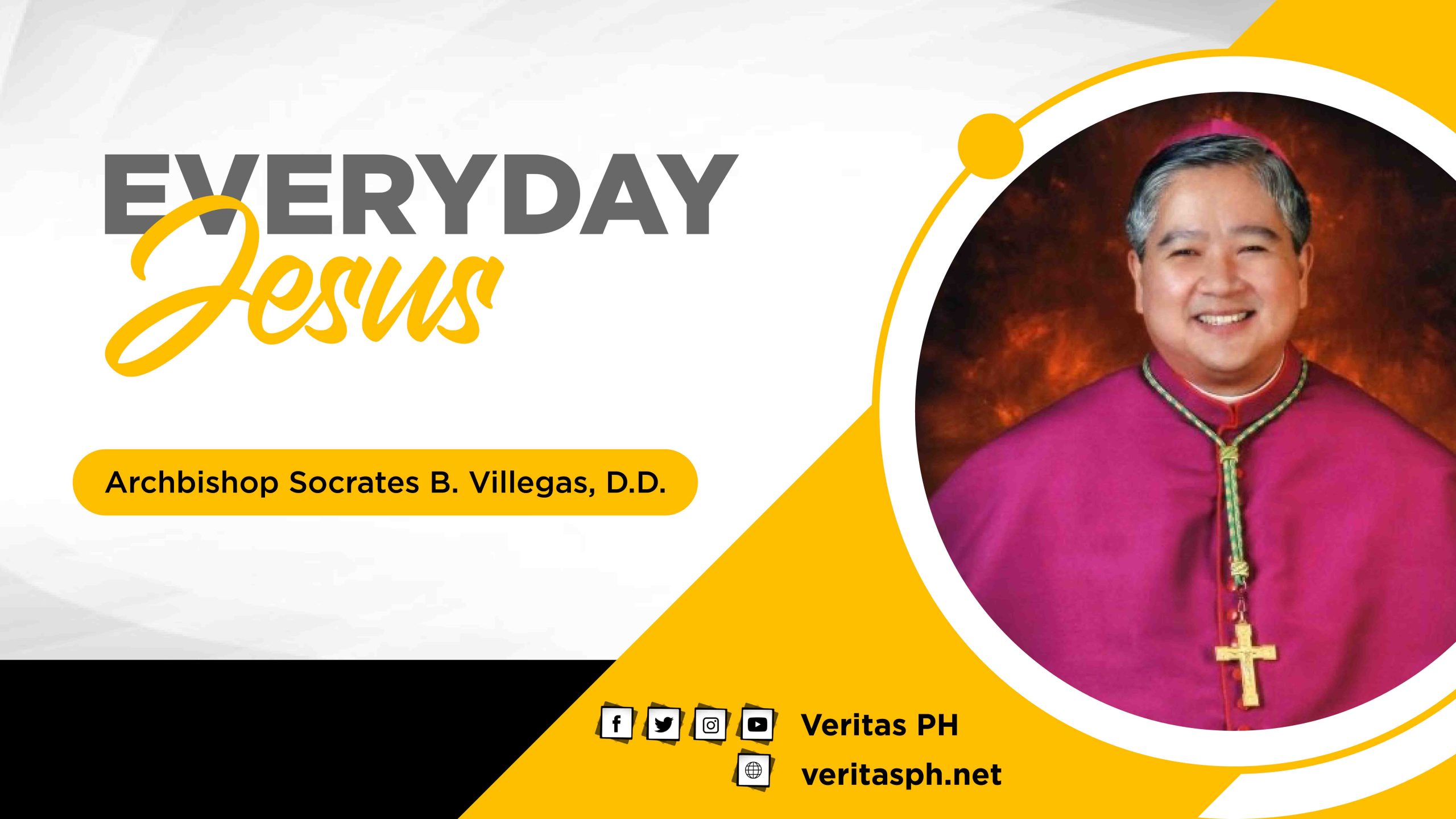
(Speech delivered by Archbishop Socrates B. Villegas on January 26, 2023 at Saint Louis University in Baguio City on the occasion of the conferment of the honorary degree Doctor of Philosophy)


Pagkakaibigan, pinakamabisang daan ng bokasyon-Cardinal Tagle

 3,557 total views

Iginiit ni Cardinal Luis Antonio Tagle, Pro-prefect ng Dicastery for Evangelization, na ang pagkakaibigan ang isa sa pinakamabisang daan ng bokasyon, sapagkat sa pamamagitan ng mga tunay na ugnayan nagiging buhay at konkretong karanasan ang pagkilala kay Hesus at ang pagtugon sa tawag ng Diyos.

Tinalakay ito ni Cardinal Tagle sa isinagawang Heart to Heart Talk sa unang araw ng 12th Philippine Conference on New Evangelization (PCNE XII) 2026 sa University of Santo Tomas Quadricentennial Pavilion, kung saan ibinahagi nina Sr. Mary Joannie Bolisay ng Sisters of Saint Paul of Chartres (SPC) at Fr. Dean Jerome Cruz ng Diocese of Cabanatuan ang mga pagkakaibigang naging bahagi ng kanilang paglalakbay tungo sa buhay relihiyoso at pagpapari.

Binigyang-diin ni Cardinal Tagle na bagama’t mahalaga ang mga vocation promotion materials tulad ng posters, videos, short stories at seminars, mas nagiging makapangyarihan ang personal na ugnayan at buhay na patotoo ng mga taong nagpapakita ng kasiyahan sa paglilingkod sa Diyos.

“While we appreciate the use of film, mga short stories na nakikita natin sa TV, yung mga posters announcing a diocese, a seminary, a religious order, they’re all good for giving information. But we should not discount the role of friendship in making the face of Jesus, the face of the Church, real to people,” pahayag ni Cardinal Tagle.

Ibinahagi ni Sr. Bolisay na ang kanyang pagtugon sa bokasyon ay unti-unting nahubog sa pakikipagkaibigan niya sa mga seminarista ng Maria Asunta Seminary noong siya ay youth coordinator ng Diocese of Cabanatuan.

Ayon sa madre, ang masayang samahan at dedikasyon ng mga seminarista sa paglilingkod ang naging inspirasyon upang makita niya ang kagandahan ng buhay relihiyoso.

“Iyong joyful disposition ng mga seminarians, ‘yun po ‘yung isa sa mga nakahikayat sa akin na pwede naman palang subukan. At sila din po ‘yung nagpakilala sa akin ng congregation kung saan po ako papasok,” ayon kay Sr. Bolisay.

Samantala, ibinahagi naman ni Fr. Cruz na ang kanyang bokasyon bilang pari ay nagsimula rin sa pag-anyaya at paggabay ng mga kaibigang altar server at youth ministers noong siya ay nasa high school.

Binigyang-diin ng pari na mahalaga ang pagkakaroon ng mabubuting kaibigan maging sa patuloy na buhay-paglilingkod, lalo na sa panahon ng mga pagsubok at panghihina ng loob sa ministeryo.

“Truth and charity, magkakambal po ‘yan para sa growing relationship. You have to be truthful and of course you have to be charitable in expressing the truth para po balanse. Kasi kapag truth lang po, baka po masaktan kung walang charity. Pero kung charity lang, baka puro compromise naman po at wala pong truth. Baka po fake friendship na po ‘yun,” saad ni Fr. Cruz.

Sa pagtatapos ng talakayan, hinikayat ni Cardinal Tagle ang mga mananampalataya na huwag matakot makipagkaibigan at maging saksi ng pag-ibig ni Kristo, dahil ang mga ugnayang binubuo ngayon ay maaaring maging binhi ng mga bokasyon sa hinaharap.

“The seeds of friendship that you sow now will be the harvest of vocation in the future,” ayon kay Cardinal Tagle.

Tema ng PCNE XII ang “Sangkay: I have called you Friends (John 15:15),” na naglalayong palalimin ang diwa ng pagkakaibigan bilang daan tungo sa pagbabagong-loob sa misyon at sa pagbuo ng isang higit na sinodal na Simbahang Katolika sa Pilipinas.

Pag-ibig, pundasyon ng tunay pakikipagkaibigan

 3,636 total views

Binigyan-diin ng Prior Provincial ng Dominican Province of the Philippines Father Filemon Dela Cruz Jr., O.P – , ang ‘pag-ibig’ bilang pundasyon ng tunay na pakikipagkaibigan at matatag na ugnayan ng bawat mananampalataya sa kaniyang mensahe para sa 12th Philippine Conference on New Evangelization (PCNE) sa University of Santo Tomas.

Ito ay sa kaniyang pagninilay sa session ng “Confessio Peccati et Laudis: Healing and Nurturing Relationships,” na nakatuon sa pagpapanumbalik at pagpapatibay ng mga ugnayan.

Ayon kay Fr. dela Cruz, ang tunay na pagkakaibigan ay nakaugat sa pag-ibig na nag-uudyok sa tao na pahalagahan, ingatan, at alagaan ang kapwa.

Iginiit niyang ang pagmamahal ay hindi lamang damdamin kundi isang desisyon na kilalanin ang dignidad at kahalagahan ng bawat tao, na siyang nagpapatatag sa mga ugnayang humuhubog sa pamayanan ng pananampalataya.

“Friendship is friendship in love, kaya kapag ika’y nagmahal, iingatan mo ang halaga ng isang tao pinapahalagahan mo ang taong yan, kaya mahal kita l, mahalaga ka sakin,” ayon sa pagninilay ni Fr.Dela Cruz

Binigyang-diin din ng pari na ang pagpapahalaga sa kapwa ay nagiging daan upang mapagaling ang mga nasirang relasyon at makabuo ng mga pamayanang nagkakaisa sa diwa ng pakikinig, pag-unawa, at pagmamalasakit. dahil ang tunay na pagkakaibigan ay naipapakita sa konkretong pag-aaruga at patuloy na pag-akay sa isa’t isa tungo sa pag-ibig ni Kristo.

Kaugnay nito, umaasa si Fr. dela Cruz na magsisilbing inspirasyon ang PCNE 2026 upang higit pang mapalalim ang kultura ng pagkakaibigan at pagmamahalan sa loob ng Simbahan, kasabay ng paghahanda ng mga mananampalataya para sa Evangelization 2033, sa pamamagitan ng paghubog ng mga disipulong handang magmahal, maglingkod, at maghatid ng pag-asa sa kapwa.

Pagkakaibigan, mahalagang pundasyon ng sama-samang misyon sa pagpapalaganap ng ebanghelyo- Papal Nuncio sa mananampalataya

 4,453 total views

Binigyang-diin ni Apostolic Nuncio to the Philippines Archbishop Charles John Brown na ang tunay na pagkakaibigan na nakaugat kay Hesukristo ang mahalagang pundasyon ng sama-samang misyon ng Simbahan sa pagpapalaganap ng Ebanghelyo.

Sa kanyang mensahe para sa 12th Philippine Conference on New Evangelization (PCNE XII), sinabi ng kinatawan ng Santo Papa sa Pilipinas na ang pagkakaibigan ay isa sa pinakadakilang kaloob ng Diyos sa tao, kasunod lamang ng mismong buhay, sapagkat ito ang nagpapatatag sa mga pamayanan at nagbibigay ng tunay na kagalakan at pag-asa.

Ipinaliwanag din ni Archbishop Brown na ang tunay na pagkakaibigan ay hindi nakabatay sa pakinabang o pansariling interes kundi sa kalayaan, kabutihang-loob, at tapat na pagmamahal sa kapwa.

“Friendship is truly one of life’s greatest treasures, next only to the gift of life itself. Even wealth without friends feels empty when compared to the joy of good friendship. Friendship strengthens communities and transforms ordinary connections into lasting happiness. Without it, life becomes incomplete and burdensome. This is not merely because we are social beings, but because friendship is a vital bond rooted in freedom, generosity, and goodwill. Friendship is more than duty or utility.” Bahagi ng pahayag ni Archbishop Brown.

Binigyang-diin din nito ang turo ni San Agustin na ang tunay na kaibigan ay nananatiling tapat sa anumang kalagayan ng buhay.

Ayon kay Archbishop Brown, ang pagkakaibigan ay higit pang nagiging ganap sa pananampalatayang Kristiyano sapagkat ito ay nagiging pakikipagkaisa kay Kristo na humahamon sa mga mananampalataya na sama-samang maglingkod, ipagtanggol ang pananampalataya, at pangalagaan ang pagkakaisa ng Simbahan.

“In our mission as Christians, friendship means communion in Christ. Together we strive for the faith, resist false teachings, and guard against discord,” Dagdag pa ni Archbishop Brown.

Ipinaalala rin ng kinatawan ng Santo Papa na ang sukdulang larawan ng pagkakaibigan ay ipinakita mismo ni Hesus sa pamamagitan ng Kanyang pag-aalay ng buhay para sa Kanyang mga kaibigan.

Kasabay nito ay binati ni Archbishop Brown si Manila Archbishop Jose Cardinal Advincula, ang mga obispo, pari, mga nakatalaga sa buhay-relihiyoso, layko, at lalo na ang mga kabataang kalahok sa kumperensya, at hinikayat ang lahat na patuloy na isabuhay ang diwa ng pagkakaibigang nagmumula kay Kristo bilang daan sa masiglang misyon ng ebanghelisasyon.

Isinagawa ang 12th Philippine Conference on New Evangelization (PCNE XII) noong Hulyo 24 hanggang 26, 2026 sa University of Santo Tomas sa Maynila na may temang “Sangkay: I Have Called You Friends” (Jn. 15:15), na naglalayong palalimin ang pakikipagkaibigan kay Hesus at paigtingin ang pakikibahagi ng bawat mananampalataya sa misyon ng Simbahan.

BE OUR PARTNERS

THIS PORTION IS BROUGHT YOU BY

ADVOCATE

Radyo Veritas Advocacy Category by Author

Veritas Editorial

Picture of Rev. Fr. Anton CT Pascual

Rev. Fr. Anton CT Pascual

CONVERSION OF RELATIONSHIP

 54,727 total views

 54,727 total views “A Filipino culture ruined by politics, of indifference, ideology, self-interest”. Kapanalig, likas sa ating mga Pilipino ang kultura ng pakikipagkapwa o pakikitungo sa

Read More »

NASAAN ANG SIMBAHAN

 83,019 total views

 83,019 total views Kapanalig, malimit nating naririnig ang katanungang, “NASAAN ANG SIMBAHAN”? Kapag may nangyaring trahedya., sakuna., man-made calamities., kawalan ng moral na pamumuno., WHERE IS

Read More »

Upper-middle income na ang Pilipinas

 128,950 total views

 128,950 total views Mga Kapanalig, upgraded na daw ang Pilipinas!  Ayon sa World Bank, ang Pilipinas ay isa nang upper-middle income country. Ibig sabihin, lumampas na

Read More »

Ibinasurang paraiso

 162,033 total views

 162,033 total views Mga Kapanalig, napanood ba ninyo ang dokumentaryo tungkol sa lupang ninuno o ancestral land ng mga katutubong Aeta na ginawang tambakan ng basura

Read More »

Gaslighting

 186,829 total views

 186,829 total views Mga Kapanalig, narinig na ba ninyo ang salitang “gaslighting”? Ang gaslighting ay isang uri ng sikolohikal na manipulasyon kung saan ipinalalabas ng isang

Read More »

Watch Live

RELATED ARTICLES

WOMEN AND PRIESTS

 124,931 total views

 124,931 total views HOLY THURSDAY REFLECTIONS FOR MY BROTHER PRIESTS, 2025 We will remember again later this evening what the Lord did and said in the

Read More »

EDSA People Power Anniversary 2025

 128,980 total views

 128,980 total views Message to the Archdiocese of Lingayen Dagupan Catholic Schools February 25, 2025 EDSA People Power Anniversary Your Father Soc here in the Archdiocese

Read More »
Scroll to Top