

Send your Love Offering

SAVINGS ACCOUNT NAME

DZRV Radio Veritas Foundation, Inc.

  1. Metrobank Savings Account No.: 076-3-076270210
  2. Banco De Oro Savings Account No.: 001-630011876
  3. BPI Savings Account No.: 0213-3251-91
  4. PNB – Savings account No.: 105-910-013-091

 1,066 total views

s1S#140 “Trinity” (A)

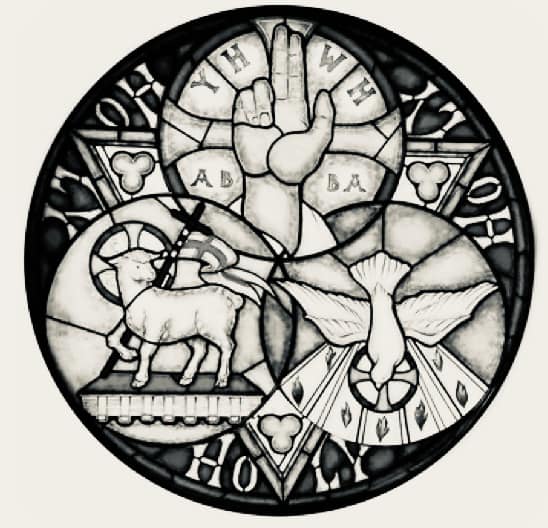
According to the Catechism of the Catholic Church (no. 261), “the mystery of the Most Holy Trinity is the central mystery of the Christian faith and of Christian life. God alone can make it known to us by revealing himself as Father, Son, and Holy Spirit”; (for the development of the doctrine from its scriptural references to its definition, cf s1S#33, 5/30/21 and s1S#89, 06/12/22). But in our limited way, we understand that God is Three in One. He is Father, Son, and Holy Spirit. Each is a distinct Person. Each fully shares in the one divine nature, (cf CCC nos. 234, 253-256).

In today’s gospel, John 3:16-18, what is implied in the conversation of Jesus with Nicodemus is the work of the Triune God, unraveled in the economy of salvation, fulfilling Their unique mission, yet acting in perfect unison. The Father is the one Who sent the Son into the world and willed that He gives His life for the salvation of all. The Son was sent and perfectly fulfilled the will of the Father, uniting humanity with divinity, (3:16-17). The Holy Spirit is the Promise of Father and Son Who proceeds from Them and descends upon the world, animating and making it possible to share in the very life of the Most Holy Trinity. In other words, love prompted the Father to send the Son who was the bearer of the Spirit, the source of eternal life.

If the mystery is hard to comprehend, it should be. Our limited intellects can only grasp a shadow of the reality of God. But the diverse insights into God’s nature should never be treated abstractly or in a detached doctrinal way. For what the Scriptures reveal to us are Persons in relationship inviting us to share in that very life of the Trinity, the life of love that binds them, the love that saves us and so binds us to them and one another. May we continue to live in “the grace of the Lord Jesus Christ and the love of God the Father and the fellowship of the Holy Spirit”, (2 Cor 13:13). Amen.

s1S#33 “Trinity” (B)

The understanding of one God in three divine persons: Father, Son, and Holy Spirit was alien to Israelites and unique to the Christian faith. The belief as so defined was reached only in the 4th and 5th centuries AD. Thus the word Trinity (concerning God it was attributed to Tertullian ca. AD 145-220), does not occur in the Bible and therefore not explicitly and formally a biblical belief. At best, a Christian reading of the Hebrew Bible sees a background to later belief in earlier texts, a sort of retrospective interpretation of this earlier corpus of scripture in the light of later theological developments.

The Christian reading of Ex 34:1-11 considers the attributes of mercy and fidelity of God to foreshadow qualities that will be later seen as personal in God and something relational, going beyond the Israelites’ perception of simply a multi-faceted God. While Dt 4:32-40 which proclaims a God of unsurpassed greatness who comes close to a people whom he chooses, hints at the “otherness” and at the same time the closeness of God, his transcendence and personal love. In Proverbs, its personification of Wisdom finds her present with God in the entire process of creation, ch. 8:22-31, the Spirit of God at work.

The elements of the trinity of persons within the unity of nature “appear” in NT in the use of the terms Father, who is “the God” (‘ho theos’), Son, who is Jesus, the Son of God (‘ho hyios tou theou’), and Spirit (‘pneuma hagios’). The personal reality of the Spirit emerged more slowly than the personal reality of the Father and Son which are personal terms. Thus we may distinguish three relevant categories of NT texts in the development of Trinitarian thought: First, is the clear distinctions between God and Christ, (Rom 8:31ff; 1 Cor 11:3, 15:20-28; 2 Cor 4:4-6), and the unity of the Father and the Son is stressed, (Mt 11:27; Jn 10: 30, 14:9-11, 20:28; Col 2:9; 1Jn 5:30). Second, is a similarly close relationship between Jesus and the Holy Spirit, (Lk 3:22; Acts 2:33; Rom 8:26-27,34; Jn 14; Gal 4:6). The Holy Spirit in NT, though not in the exact sense of the later credal formula, comes to represent both the presence and activity of God and the continuing presence of Jesus Christ in the Church. Third is where the three persons of Trinity are mentioned in the same context- in the baptismal formula of Mt 28:19, (cf also 1 Cor 12:4-6; Eph 4:4-6; 1 Pt 1:2) and the “apostolic blessing” and considered the earliest formula known in 2 Cor 13:13, where Christ stands at the center as the immediate source of grace (Rom 16:20; 1 Cor 16:23), and the love of God that brought about the mission of Christ and is the ultimate source of all gifts, including the Spirit who binds the community in fellowship with one another and the community with the trinitarian community: “the grace of the Lord Jesus Christ and the love of God and the fellowship of the Holy Spirit be with all of you”.

s1S#89 “Trinity” (C)

The belief in one God in three divine persons, the Father, the Son, and the Holy is unique to the Christian faith but as so defined (re: nature and relations, etc) was reached only in the 4th and 5th centuries AD. It must be understood that the unity of nature does not appear as a problem in NT and indeed could only rise when a philosophical investigation of the term nature as applied to God was begun.

What we have from the Scriptures are citations like mentioning the three in the same context, e.g. in the baptismal formula of Mt 28:19, (cf also 1 Cor 12:4-6; Eph 4:4-6; 1 Pt 1:2); and the “apostolic blessing” and considered earliest formula known in 2 Cor 13:13, where Christ stands at the center as the immediate source of grace (Rom 16:20; 1 Cor 16:23), and the love of God that brought about the mission of Christ and is the ultimate source of all gifts, including the Spirit who binds the community in fellowship with one another and the community with the trinitarian community: “the grace of the Lord Jesus Christ and the love of God and the fellowship of the Holy Spirit be with all of you”. This is the opening greeting at the beginning of every Eucharistic celebration.

What the Trinity is all about we may not comprehend. But living the “Trinitarian life” we can try to emulate. Remember that from baptism we receive the indwelling of the three divine persons. They live in us, but do we live in them? How? With God the Father whose love brought about the mission of Christ for our salvation (John 3:16), ‘knowing what we need even before we ask Him’ (Lk 12:22, 39-31), we should live daily in complete trust in his fatherly providence. With Jesus whose coming and total self-giving brought us life (John 15:13), life to the full, we should follow his humble life of service and self-donation to others. With the Holy Spirit who was promised by the Son and sent by the Father in his name who will teach us everything (John 14:26), we should listen continually to the Spirit especially for its guidance and direction so that we can learn God’s will for us and be able to accomplish it making us truly the adopted children of God our loving Father! And as the economy of salvation has revealed to us the different roles of the three divine persons yet remain one God, may each one of us help build the one body of Christ which we constitute by sharing the unique gifts each one of us has received. Amen.


Pagkakaibigan, pinakamabisang daan ng bokasyon-Cardinal Tagle

 24,563 total views

Iginiit ni Cardinal Luis Antonio Tagle, Pro-prefect ng Dicastery for Evangelization, na ang pagkakaibigan ang isa sa pinakamabisang daan ng bokasyon, sapagkat sa pamamagitan ng mga tunay na ugnayan nagiging buhay at konkretong karanasan ang pagkilala kay Hesus at ang pagtugon sa tawag ng Diyos.

Tinalakay ito ni Cardinal Tagle sa isinagawang Heart to Heart Talk sa unang araw ng 12th Philippine Conference on New Evangelization (PCNE XII) 2026 sa University of Santo Tomas Quadricentennial Pavilion, kung saan ibinahagi nina Sr. Mary Joannie Bolisay ng Sisters of Saint Paul of Chartres (SPC) at Fr. Dean Jerome Cruz ng Diocese of Cabanatuan ang mga pagkakaibigang naging bahagi ng kanilang paglalakbay tungo sa buhay relihiyoso at pagpapari.

Binigyang-diin ni Cardinal Tagle na bagama’t mahalaga ang mga vocation promotion materials tulad ng posters, videos, short stories at seminars, mas nagiging makapangyarihan ang personal na ugnayan at buhay na patotoo ng mga taong nagpapakita ng kasiyahan sa paglilingkod sa Diyos.

“While we appreciate the use of film, mga short stories na nakikita natin sa TV, yung mga posters announcing a diocese, a seminary, a religious order, they’re all good for giving information. But we should not discount the role of friendship in making the face of Jesus, the face of the Church, real to people,” pahayag ni Cardinal Tagle.

Ibinahagi ni Sr. Bolisay na ang kanyang pagtugon sa bokasyon ay unti-unting nahubog sa pakikipagkaibigan niya sa mga seminarista ng Maria Asunta Seminary noong siya ay youth coordinator ng Diocese of Cabanatuan.

Ayon sa madre, ang masayang samahan at dedikasyon ng mga seminarista sa paglilingkod ang naging inspirasyon upang makita niya ang kagandahan ng buhay relihiyoso.

“Iyong joyful disposition ng mga seminarians, ‘yun po ‘yung isa sa mga nakahikayat sa akin na pwede naman palang subukan. At sila din po ‘yung nagpakilala sa akin ng congregation kung saan po ako papasok,” ayon kay Sr. Bolisay.

Samantala, ibinahagi naman ni Fr. Cruz na ang kanyang bokasyon bilang pari ay nagsimula rin sa pag-anyaya at paggabay ng mga kaibigang altar server at youth ministers noong siya ay nasa high school.

Binigyang-diin ng pari na mahalaga ang pagkakaroon ng mabubuting kaibigan maging sa patuloy na buhay-paglilingkod, lalo na sa panahon ng mga pagsubok at panghihina ng loob sa ministeryo.

“Truth and charity, magkakambal po ‘yan para sa growing relationship. You have to be truthful and of course you have to be charitable in expressing the truth para po balanse. Kasi kapag truth lang po, baka po masaktan kung walang charity. Pero kung charity lang, baka puro compromise naman po at wala pong truth. Baka po fake friendship na po ‘yun,” saad ni Fr. Cruz.

Sa pagtatapos ng talakayan, hinikayat ni Cardinal Tagle ang mga mananampalataya na huwag matakot makipagkaibigan at maging saksi ng pag-ibig ni Kristo, dahil ang mga ugnayang binubuo ngayon ay maaaring maging binhi ng mga bokasyon sa hinaharap.

“The seeds of friendship that you sow now will be the harvest of vocation in the future,” ayon kay Cardinal Tagle.

Tema ng PCNE XII ang “Sangkay: I have called you Friends (John 15:15),” na naglalayong palalimin ang diwa ng pagkakaibigan bilang daan tungo sa pagbabagong-loob sa misyon at sa pagbuo ng isang higit na sinodal na Simbahang Katolika sa Pilipinas.

Pag-ibig, pundasyon ng tunay pakikipagkaibigan

 24,286 total views

Binigyan-diin ng Prior Provincial ng Dominican Province of the Philippines Father Filemon Dela Cruz Jr., O.P – , ang ‘pag-ibig’ bilang pundasyon ng tunay na pakikipagkaibigan at matatag na ugnayan ng bawat mananampalataya sa kaniyang mensahe para sa 12th Philippine Conference on New Evangelization (PCNE) sa University of Santo Tomas.

Ito ay sa kaniyang pagninilay sa session ng “Confessio Peccati et Laudis: Healing and Nurturing Relationships,” na nakatuon sa pagpapanumbalik at pagpapatibay ng mga ugnayan.

Ayon kay Fr. dela Cruz, ang tunay na pagkakaibigan ay nakaugat sa pag-ibig na nag-uudyok sa tao na pahalagahan, ingatan, at alagaan ang kapwa.

Iginiit niyang ang pagmamahal ay hindi lamang damdamin kundi isang desisyon na kilalanin ang dignidad at kahalagahan ng bawat tao, na siyang nagpapatatag sa mga ugnayang humuhubog sa pamayanan ng pananampalataya.

“Friendship is friendship in love, kaya kapag ika’y nagmahal, iingatan mo ang halaga ng isang tao pinapahalagahan mo ang taong yan, kaya mahal kita l, mahalaga ka sakin,” ayon sa pagninilay ni Fr.Dela Cruz

Binigyang-diin din ng pari na ang pagpapahalaga sa kapwa ay nagiging daan upang mapagaling ang mga nasirang relasyon at makabuo ng mga pamayanang nagkakaisa sa diwa ng pakikinig, pag-unawa, at pagmamalasakit. dahil ang tunay na pagkakaibigan ay naipapakita sa konkretong pag-aaruga at patuloy na pag-akay sa isa’t isa tungo sa pag-ibig ni Kristo.

Kaugnay nito, umaasa si Fr. dela Cruz na magsisilbing inspirasyon ang PCNE 2026 upang higit pang mapalalim ang kultura ng pagkakaibigan at pagmamahalan sa loob ng Simbahan, kasabay ng paghahanda ng mga mananampalataya para sa Evangelization 2033, sa pamamagitan ng paghubog ng mga disipulong handang magmahal, maglingkod, at maghatid ng pag-asa sa kapwa.

Pagkakaibigan, mahalagang pundasyon ng sama-samang misyon sa pagpapalaganap ng ebanghelyo- Papal Nuncio sa mananampalataya

 26,178 total views

Binigyang-diin ni Apostolic Nuncio to the Philippines Archbishop Charles John Brown na ang tunay na pagkakaibigan na nakaugat kay Hesukristo ang mahalagang pundasyon ng sama-samang misyon ng Simbahan sa pagpapalaganap ng Ebanghelyo.

Sa kanyang mensahe para sa 12th Philippine Conference on New Evangelization (PCNE XII), sinabi ng kinatawan ng Santo Papa sa Pilipinas na ang pagkakaibigan ay isa sa pinakadakilang kaloob ng Diyos sa tao, kasunod lamang ng mismong buhay, sapagkat ito ang nagpapatatag sa mga pamayanan at nagbibigay ng tunay na kagalakan at pag-asa.

Ipinaliwanag din ni Archbishop Brown na ang tunay na pagkakaibigan ay hindi nakabatay sa pakinabang o pansariling interes kundi sa kalayaan, kabutihang-loob, at tapat na pagmamahal sa kapwa.

“Friendship is truly one of life’s greatest treasures, next only to the gift of life itself. Even wealth without friends feels empty when compared to the joy of good friendship. Friendship strengthens communities and transforms ordinary connections into lasting happiness. Without it, life becomes incomplete and burdensome. This is not merely because we are social beings, but because friendship is a vital bond rooted in freedom, generosity, and goodwill. Friendship is more than duty or utility.” Bahagi ng pahayag ni Archbishop Brown.

Binigyang-diin din nito ang turo ni San Agustin na ang tunay na kaibigan ay nananatiling tapat sa anumang kalagayan ng buhay.

Ayon kay Archbishop Brown, ang pagkakaibigan ay higit pang nagiging ganap sa pananampalatayang Kristiyano sapagkat ito ay nagiging pakikipagkaisa kay Kristo na humahamon sa mga mananampalataya na sama-samang maglingkod, ipagtanggol ang pananampalataya, at pangalagaan ang pagkakaisa ng Simbahan.

“In our mission as Christians, friendship means communion in Christ. Together we strive for the faith, resist false teachings, and guard against discord,” Dagdag pa ni Archbishop Brown.

Ipinaalala rin ng kinatawan ng Santo Papa na ang sukdulang larawan ng pagkakaibigan ay ipinakita mismo ni Hesus sa pamamagitan ng Kanyang pag-aalay ng buhay para sa Kanyang mga kaibigan.

Kasabay nito ay binati ni Archbishop Brown si Manila Archbishop Jose Cardinal Advincula, ang mga obispo, pari, mga nakatalaga sa buhay-relihiyoso, layko, at lalo na ang mga kabataang kalahok sa kumperensya, at hinikayat ang lahat na patuloy na isabuhay ang diwa ng pagkakaibigang nagmumula kay Kristo bilang daan sa masiglang misyon ng ebanghelisasyon.

Isinagawa ang 12th Philippine Conference on New Evangelization (PCNE XII) noong Hulyo 24 hanggang 26, 2026 sa University of Santo Tomas sa Maynila na may temang “Sangkay: I Have Called You Friends” (Jn. 15:15), na naglalayong palalimin ang pakikipagkaibigan kay Hesus at paigtingin ang pakikibahagi ng bawat mananampalataya sa misyon ng Simbahan.

BE OUR PARTNERS

THIS PORTION IS BROUGHT YOU BY

ADVOCATE

Radyo Veritas Advocacy Category by Author

Veritas Editorial

Picture of Rev. Fr. Anton CT Pascual

Rev. Fr. Anton CT Pascual

CONVERSION OF RELATIONSHIP

 85,411 total views

 85,411 total views “A Filipino culture ruined by politics, of indifference, ideology, self-interest”. Kapanalig, likas sa ating mga Pilipino ang kultura ng pakikipagkapwa o pakikitungo sa

Read More »

NASAAN ANG SIMBAHAN

 113,702 total views

 113,702 total views Kapanalig, malimit nating naririnig ang katanungang, “NASAAN ANG SIMBAHAN”? Kapag may nangyaring trahedya., sakuna., man-made calamities., kawalan ng moral na pamumuno., WHERE IS

Read More »

Upper-middle income na ang Pilipinas

 159,634 total views

 159,634 total views Mga Kapanalig, upgraded na daw ang Pilipinas!  Ayon sa World Bank, ang Pilipinas ay isa nang upper-middle income country. Ibig sabihin, lumampas na

Read More »

Ibinasurang paraiso

 192,716 total views

 192,716 total views Mga Kapanalig, napanood ba ninyo ang dokumentaryo tungkol sa lupang ninuno o ancestral land ng mga katutubong Aeta na ginawang tambakan ng basura

Read More »

Gaslighting

 215,684 total views

 215,684 total views Mga Kapanalig, narinig na ba ninyo ang salitang “gaslighting”? Ang gaslighting ay isang uri ng sikolohikal na manipulasyon kung saan ipinalalabas ng isang

Read More »

Watch Live

RELATED ARTICLES

Wheat and Weeds

 6,453 total views

 6,453 total views 16th Sunday A Wis 12:13, 16-19 The book of Wisdom contrasts the justice of God with the injustice of the wicked, highlighting Yahweh’s

Read More »

Fruitful Word

 6,368 total views

 6,368 total views 15th Sunday A Is 55:10-11 In antiquity, spoken words were an extension of the person, often embodying the speaker’s characteristics. God creates with

Read More »

Gentle Yoke

 8,179 total views

 8,179 total views 14th Sunday A Zech 9:9-10 The reading describes the emergence of the messianic king, a peaceful, just, and humble leader from David’s line,

Read More »

Hospitality

 12,467 total views

 12,467 total views 13th Sunday A 2 Kgs 4:8-11, 14-16 The account tells of Elisha’s relationship with a bold woman from northern Israel, though unnamed. She

Read More »
Scroll to Top